Hey fellow adventurers! Ever found yourself in a new country, nodding along but secretly wishing you understood those quick, local phrases that bring conversations to life?
Trust me, I’ve totally been there! Navigating a new culture isn’t just about ticking off landmarks; it’s about truly connecting with the heartbeat of the place, and nowhere is that more true than in vibrant Israel.
Beyond the formal language, there’s a whole universe of expressions that locals use constantly – words and phrases that are truly the soul of daily life and connection.
Learning these isn’t just a cool party trick; it’s your secret weapon to genuinely experience the warmth and spirit of the people, making your interactions unforgettable and your travel stories so much richer.
Ready to unlock these incredible linguistic gems and truly feel at home? Let’s dive in and discover them together!
Unlocking the Everyday Israeli Vibe
Stepping into Israel, I quickly realized that while “Shalom” might get you by, truly connecting with the locals means diving a little deeper. It’s like learning the secret handshake of a new community, and trust me, it feels amazing! I remember my first few days, trying so hard to piece together conversations, often just smiling and nodding, which only got me so far. It wasn’t until I started picking up on the everyday nuances, those little linguistic gems that pepper conversations, that I truly felt like I was starting to understand the rhythm of the place. It’s not just about grammar; it’s about the heart and soul behind the words, the casualness, the warmth, and sometimes, the playful directness. These phrases aren’t just filler; they’re the glue that holds daily interactions together, making every chat, every market visit, every shared meal so much richer and more authentic. You’ll find yourself smiling more, understanding the subtle jokes, and even feeling a part of the bustling energy that is so uniquely Israeli. It’s a journey of discovery, and every new phrase feels like unlocking a new level of understanding and belonging.
Saying Hello and Goodbye Like a Local
Beyond the ubiquitous “Shalom,” which means peace and is used for both hello and goodbye, there are so many other ways Israelis greet each other, often depending on the situation. For instance, you’ll hear “Boker Tov” (Good Morning) and “Erev Tov” (Good Evening) a lot, especially in more formal settings or when addressing shopkeepers. But for a more casual, almost intimate greeting, especially with friends or someone you’ve met before, “Ma Nishma?” (What’s up?) or “Ma Koreh?” (What’s happening?) are absolute go-tos. These aren’t just questions; they’re an invitation for a brief, friendly exchange, showing genuine interest. And when parting ways, sometimes “Yalla Bye” – yes, a fascinating blend of Arabic and English – is the perfectly laid-back way to bid farewell, particularly among younger crowds. I remember once saying “Shalom” to a group of friends leaving a cafe, and one of them chuckled, replying, “Yalla bye!” It felt like a subtle invitation into their informal circle, and I instantly adopted it. It’s these small shifts in your vocabulary that make a world of difference, bridging the cultural gap one friendly phrase at a time. It’s not just about what you say, but how you say it, carrying that familiar, almost familial warmth.
More Than Just “Thanks”: Expressing Gratitude
Of course, “Toda” (Thank you) is essential, and you’ll use it countless times a day. But just like in any language, there are layers to expressing appreciation. If someone has gone out of their way for you, adding “Raba” (much) to make it “Toda Raba” (Thank you very much) really conveys a deeper sense of gratitude. For an even stronger, more heartfelt thank you, especially if you’re truly touched by someone’s kindness, you might say “Eizeh Kef!” which, while literally meaning “What fun!” or “How enjoyable!”, can also be used to express profound appreciation for a great experience or a kind gesture. It’s like saying, “This was truly wonderful, thank you!” I once got completely lost in Tel Aviv, and a kind stranger walked me several blocks out of their way. When I said “Toda Raba,” they simply smiled. But when I added a heartfelt “Eizeh Kef she’eitzarta li!” (It was such a pleasure that you helped me!), their face lit up. It felt like that small extra effort in my expression of gratitude made their day, just as they had made mine. It’s about going beyond the basic courtesy and really communicating the positive impact someone has had on you, which is something Israelis truly appreciate.
Navigating Daily Life with Local Expressions
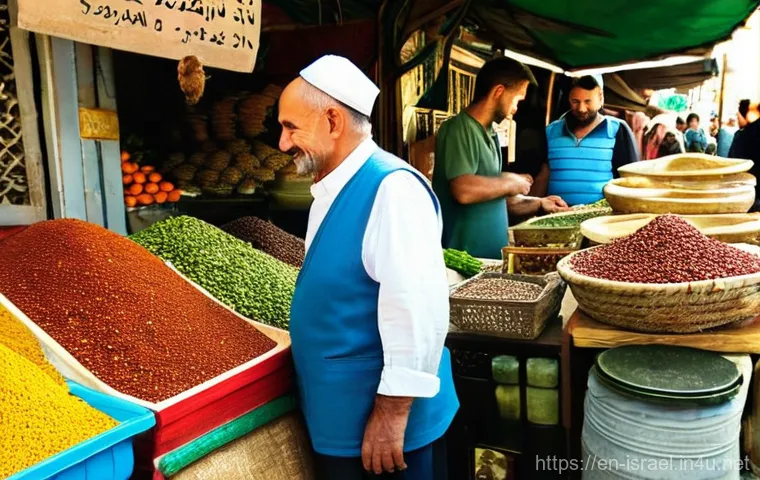
Getting around and making sense of everyday interactions in Israel can be a delightful adventure, especially when you start understanding the local lingo. It’s one thing to point at a map, but it’s an entirely different experience when you can ask for directions, haggle a bit at the Shuk (market), or simply understand the vibe of a conversation happening around you. I vividly recall my first time trying to navigate the bustling streets of Jerusalem, armed only with a map and basic Hebrew. It felt like I was in a silent movie, missing all the witty dialogue! But slowly, by listening and trying out new phrases, I started to feel like a participant rather than just an observer. It genuinely transforms your experience, turning what might have been a frustrating moment into a chance for a genuine, often humorous, interaction with a local. It’s about more than just transactional communication; it’s about weaving yourself into the fabric of daily life, feeling the pulse of the city through its words and expressions. You’ll find that locals are often incredibly patient and appreciative when you make an effort, often eager to help you along your linguistic journey.
Getting Around: Directions and Transport Talk
When you’re trying to figure out if you need to turn “yemina” (right) or “smola” (left), knowing these basic direction words is a lifesaver. But beyond that, phrases like “Eifo zeh?” (Where is it?) for asking about a location are indispensable. If you’re using public transport, you might hear “Tisa tov” (Have a good flight/ride) which is a common way to wish someone well on their journey, even if it’s just a bus ride across town. When you’re asking about the bus, “Kamah zeh oleh?” (How much does it cost?) for the ticket, and “Eizeh otobus nosea le…?” (Which bus goes to…?) will be your best friends. I once got on the wrong bus because I just pointed at a map, assuming it was clear. The driver, seeing my confusion, kindly said “Lo, zeh lo nosea le’sham” (No, this doesn’t go there) and then patiently explained which number I needed. It was a moment where my limited Hebrew and his patience truly bridged the gap. These interactions, no matter how small, build confidence and make you feel less like a tourist and more like someone who belongs.
Shopping and Bargaining: The Art of the Deal
The Israeli shuk is an experience for all senses, and knowing a few key phrases can really enhance your shopping spree, especially if you enjoy a friendly haggle! “Kamah zeh oleh?” (How much does it cost?) is, of course, your starting point. But then, to truly engage, try “Efshar lehoreed et ha’mekhir?” (Can you lower the price?) with a friendly smile. Sometimes, a simple “Yakar li” (It’s expensive for me) can work wonders, often leading to a good-natured negotiation. Don’t be afraid to try it; it’s often part of the fun and expected in many markets. For specific items, “Yesh lach/lecha…?” (Do you have…?) is helpful. I remember eyeing a beautiful hand-painted ceramic bowl in Jerusalem and, after asking the price, hesitantly tried “Yakar li…” The vendor, with a twinkle in his eye, offered a small discount, and we ended up chatting about the craftsmanship for a while. It felt less like a transaction and more like a cultural exchange, all thanks to a few simple phrases and a willingness to engage. It adds so much flavor to your shopping experience when you can truly connect with the person behind the counter.
When Words Get Emotional: Expressing Feelings the Israeli Way
Israelis are known for their warmth, their directness, and their incredible capacity for both deep emotion and lighthearted resilience. This comes through powerfully in their language. It’s not just about conveying information; it’s about sharing a piece of your soul, whether it’s genuine excitement, a moment of frustration, or offering a comforting thought. When I first moved here, I was struck by how openly people expressed themselves, often with vivid, colorful language. It was a refreshing change from some of the more reserved cultures I’d experienced. You learn quickly that emotional honesty is valued, and there’s a certain beauty in the directness, even when it feels a little intense at first. It’s like the language itself has a pulse, mirroring the passionate spirit of the people. Understanding these emotional expressions isn’t just about translating words; it’s about grasping the underlying cultural values and feeling more deeply connected to the human experience around you.
From Frustration to Joy: Emoting with Authenticity
Sometimes things don’t go as planned, and you might hear “Ay, ay, ay!” a common exclamation of mild frustration or exasperation, sometimes said with a shrug and a smile, indicating that while it’s annoying, life goes on. For something truly annoying, “Ma pit’om!” (No way! / What suddenly!) can express disbelief or disagreement. But on the flip side, when joy hits, it hits big! “Eizeh kef!” (What fun! / How enjoyable!) is used not just for thanks but to express pure delight, whether you’ve just had an amazing meal or a fantastic experience. And “Mazal Tov!” (Good luck! / Congratulations!) is heard everywhere, from birthdays to engagements, celebrating every happy milestone. I once saw a street performer absolutely nail a difficult trick, and the crowd erupted with “Eizeh kef!” and “Kol Hakavod!” (Well done!). The energy was infectious, and I found myself shouting along, genuinely feeling the collective joy. These are the moments where language truly transcends mere words and becomes a shared emotional experience, making you feel completely immersed in the moment.
Encouragement and Support: Lending a Helping Hand
Israelis are incredibly supportive, and their language reflects this strong sense of community and looking out for one another. You’ll often hear “Kol Hakavod!” (Well done! / All the honor!) used as a genuine expression of praise or encouragement, not just for big achievements but for effort and good intentions too. If someone is facing a challenge, “Yihiyeh b’seder” (It will be okay) is a common comforting phrase, a gentle reassurance that things will work out. And for situations requiring patience or a bit of a push, “Yalla” can be used not just to mean “let’s go,” but also as a way to say “come on, you can do it!” or “hurry up a bit!” I remember struggling with a heavy suitcase at the bus station, and an elderly woman nearby, seeing my plight, simply said “Yalla, batya!” (Come on, my daughter!) with a warm smile and a gesture to help. It was such a small interaction, but her words and her presence instantly made me feel less alone and more connected to the kindness around me. It’s in these moments of shared humanity that language truly shines as a bridge between people.
The Art of the Israeli Compliment (and Complaint!)
One of the things I love about Israeli culture is the directness, which extends to both compliments and, shall we say, “feedback.” It’s refreshing, honestly! There’s no beating around the bush; if someone thinks you look good, they’ll tell you. If they think something could be better, they’ll often tell you that too, usually with good intentions, or at least with a passionate expression. It takes a little getting used to, especially if you come from a culture that values more subtle communication. But once you embrace it, you’ll find that these interactions are often infused with a genuine sense of connection and an underlying desire for things to be good, whether it’s your new shirt or the service at a restaurant. Learning how to deliver a heartfelt compliment or voice a polite concern in Hebrew isn’t just about stringing words together; it’s about understanding the cultural dance of expressing oneself openly and honestly, which is a big part of the Israeli charm. It makes every conversation feel more real, more grounded, and definitely more memorable.
Giving Praise: Making Someone’s Day
A simple “Yofi!” (Great! / Beautiful!) or “Metzuyan!” (Excellent!) can go a long way when admiring something or someone. If you really want to make someone’s day, complimenting their look with “At/Ata yafah/yafeh!” (You are beautiful/handsome!) is always appreciated. But for a more profound compliment, especially when it comes to someone’s work or efforts, “Kol Hakavod!” (Well done!) is fantastic. It literally means “all the respect” or “all the glory,” and it’s a powerful way to acknowledge someone’s achievement or character. I once complimented a street artist on a vibrant mural she was painting, saying “Eizeh yofi! Kol Hakavod!” Her face lit up, and we ended up having a lovely chat about her inspiration. It was a small interaction, but the genuine compliment, spoken in her language, created an instant bond. It shows you’re paying attention, and more importantly, that you appreciate the effort and beauty around you, which is a truly wonderful way to connect with people.
Polite Disagreement: When Things Aren’t Quite Right
While direct, there are still ways to express dissatisfaction or disagreement politely. If something isn’t to your liking, a mild “Lo b’seder” (Not okay) can be used, often accompanied by a gentle head shake. If you need to correct someone or express a different opinion, “Ani lo mas’kim/mas’kima” (I don’t agree – male/female) is straightforward and clear. For a more subtle approach, a simple “Ken, aval…” (Yes, but…) allows you to acknowledge what was said before gently introducing your counterpoint. It’s about finding that balance between being honest and being respectful, a dance that Israelis navigate quite well. I remember a small mix-up at a cafe where my order was wrong. Instead of getting flustered, I calmly said, “Sliha, ani hizmanti mashehu aher. Lo b’seder zeh.” (Excuse me, I ordered something else. This isn’t okay.) The server, appreciating my calm tone, quickly fixed the order with a smile. It showed me that directness, when delivered respectfully, is truly effective and appreciated in Israeli interactions.
Practical Phrases for Your Israeli Adventures
Embarking on any adventure in a new country is exhilarating, but being able to handle everyday situations with confidence makes it even better. From ordering that delicious shakshuka to asking for help when you need it, a few key phrases can transform your experience from merely navigating to genuinely thriving. I’ve been in countless situations where a simple Hebrew phrase has smoothed things over, opened doors, or simply brought a smile to someone’s face. It’s not about being fluent; it’s about showing effort and respect for the local culture, and that goes a very long way. These are the workhorse phrases, the ones you’ll find yourself reaching for again and again, and each time you use them, you’ll feel a little more connected, a little more at home, and a lot more confident in your Israeli journey. They are your secret weapons for making daily life in Israel not just manageable, but truly enjoyable and filled with genuine connections.
Ordering Food Like a Pro
Food is a huge part of the Israeli experience, and being able to confidently order your meals is a game-changer. “Ani rotzeh/rotza…” (I want… – male/female) is your basic building block. So, “Ani rotzeh shakshuka, bevakasha” (I want shakshuka, please) will get you started. For drinks, “Mayim” (Water) or “Mitz tapuzim” (Orange juice) are easy additions. Don’t forget to ask “Kamah zeh oleh?” (How much does it cost?) before you commit! And when you’re finished, “Cheshbon, bevakasha” (The bill, please) will signal you’re ready to pay. One time, I was at a bustling hummus spot, and seeing my hesitation, the waiter started speaking English. I then decided to challenge myself and confidently said, “Ani rotza hummus ful, bevakasha!” He grinned, and our interaction instantly shifted to a more friendly, local vibe. It’s amazing how a few words can break down barriers and create a more authentic dining experience. Plus, you might even get a recommendation for something off the regular menu!
Asking for Help: Don’t Be Shy!
It’s inevitable that you’ll need help at some point, and Israelis are generally incredibly kind and willing to assist. Starting with “Sliha?” (Excuse me?) is always polite. If you’re lost or need assistance, “Ata/At יכול/יכולה לעזור לי?” (Can you help me? – male/female) is perfect. If you’re asking for directions, pointing and asking “Eifo zeh?” (Where is it?) combined with the name of the place, often works wonders. And if you don’t understand something, “Lo mevin/mevina” (I don’t understand – male/female) is crucial. I once had a bus driver explaining a route, and I completely missed part of it. I sheepishly said “Sliha, lo mevin…” and he, without missing a beat, pulled out a small map and patiently showed me the way. It taught me that being honest about your language limitations and simply asking for help is not a weakness but a way to invite kindness and connection. Don’t let the fear of imperfect Hebrew stop you from getting the assistance you need; locals truly appreciate the effort!
| Phrase in Hebrew (Transliteration) | Meaning | When to Use It |
|---|---|---|
| Boker Tov! | Good Morning! | General greeting in the morning. |
| Ma Nishma? | What’s up? | Casual greeting among friends. |
| Toda Raba! | Thank you very much! | Expressing strong gratitude. |
| Sliha. | Excuse me / Sorry. | Getting attention or apologizing. |
| Kamah zeh oleh? | How much does it cost? | Asking for prices in shops or markets. |
| Yalla! | Let’s go / Come on! | Encouragement, hurry up, or casual goodbye. |
| Eizeh Kef! | What fun! / How enjoyable! | Expressing joy or deep appreciation. |
| Kol Hakavod! | Well done! / All the honor! | Praising efforts or achievements. |
Embracing the Spirit: Phrases of Resilience and Community
The spirit of Israel is deeply rooted in resilience, community, and an incredible ability to find joy and connection even amidst challenges. This vibrant national character is beautifully reflected in the common phrases and expressions that pepper everyday conversations. It’s not just about surviving; it’s about thriving together, celebrating life, and offering support when it’s most needed. Learning these phrases has given me such a profound insight into the Israeli mindset – a blend of pragmatism, warmth, and an unwavering belief in the future. It truly makes you feel part of something bigger, connecting you to the collective pulse of the nation. You’ll find that understanding these expressions isn’t just an academic exercise; it’s a pathway to understanding the collective heart of a people who truly know how to live, laugh, and lean on each other. It enriches your entire understanding of the place and its incredibly special people, making your visit feel less like a trip and more like a shared experience.
Celebrating Togetherness and Good Times
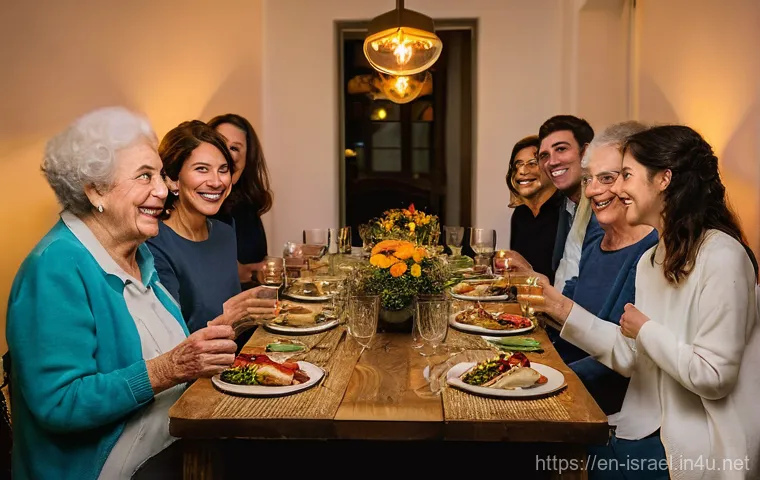
Israelis love to celebrate, and whether it’s a family gathering, a national holiday, or just a good Friday night dinner, there are phrases that capture this communal joy. “Chag Sameach!” (Happy Holiday!) is heard widely during festivals, a warm wish for happiness. For birthdays, “Yom Huledet Sameach!” (Happy Birthday!) is standard. When raising a toast, “L’Chaim!” (To Life!) is the quintessential Israeli cheer, embodying optimism and a celebration of existence itself. It’s a powerful phrase, full of history and hope. I remember being invited to a Shabbat dinner, and when everyone raised their glasses and exclaimed “L’Chaim!”, the feeling of warmth and togetherness was overwhelming. It wasn’t just a toast; it was an embrace of life, of community, and of the shared moment. These aren’t just words; they are an invitation to be part of the celebration, to share in the good times, and to truly feel the vibrant pulse of Israeli life and hospitality, which is incredibly generous and welcoming.
Dealing with the Unexpected: Staying “Sababa”
Life in Israel can sometimes be unpredictable, and the ability to roll with the punches is a highly valued trait. This is perfectly encapsulated by the ubiquitous term “Sababa!” This amazing word, derived from Arabic, essentially means “Cool!” or “Great!” or “No problem!” It’s a versatile exclamation that can convey everything from approval to an easygoing acceptance of a situation. If plans change suddenly, a shrug and a “Sababa” often indicate, “Alright, we’ll figure it out, it’s cool.” It embodies a certain resilience and a relaxed approach to life’s minor hiccups. When things are truly going well, “Hakol Sababa!” (Everything’s great/cool!) expresses complete satisfaction. I once missed a bus connection and was feeling a bit flustered. A local, seeing my dismay, just smiled and said, “Sababa, tichyeh!” (It’s cool, live life!). It was a simple phrase, but it instantly helped me relax, reminding me to embrace the moment and not sweat the small stuff. It’s a philosophy in a word, and it’s one of my favorite things about the Israeli linguistic landscape.
Wrapping Things Up
Well, my friends, we’ve journeyed through quite a linguistic landscape today, haven’t we? Diving into these everyday Hebrew phrases has truly been one of the most rewarding parts of my time here in Israel. It’s more than just speaking a few words; it’s about opening doors, fostering genuine connections, and truly feeling the pulse of this incredible place and its vibrant people. I genuinely hope that sharing these snippets of my own experience, and these super practical phrases, helps you feel a little less like a visitor and a lot more like you belong, right from your very first “Boker Tov” or “Sababa.” Trust me, the effort you put into learning even a few words will come back to you tenfold in smiles, helpful gestures, and truly authentic interactions.
Good to Know: Insider Tips for Your Israeli Adventure
1. Navigating Public Transport Beyond the Bus: While buses are incredibly efficient, especially within cities, it’s worth noting a few nuances for truly smooth travel. Firstly, consider downloading apps like “Moovit” or “Google Maps” which are indispensable for real-time bus and train schedules, making planning your routes a breeze. I can’t tell you how many times these apps have saved me from getting lost or missing a connection! Also, remember that public transport largely shuts down for Shabbat, from Friday afternoon until Saturday evening, so plan your weekend excursions accordingly. This is a cultural observance that deeply impacts daily life, and understanding it is key. For inter-city travel, shared taxis called “sheruts” (שירות) are a fantastic, often faster, and sometimes cheaper alternative, especially on routes like Tel Aviv to Jerusalem. They run along fixed routes and depart when full, offering a more social and flexible option, particularly during off-peak hours or when buses are less frequent. Knowing this can seriously enhance your mobility and independence, giving you the freedom to explore beyond the usual tourist spots with ease. It’s all part of embracing the local flow!
2. Embracing Shabbat: The Day of Rest: Shabbat, from Friday sunset to Saturday sunset, is a cornerstone of Israeli life and observing it is truly a unique cultural experience. During this time, most businesses, including supermarkets, restaurants (outside of major tourist areas or non-kosher establishments), and public transportation cease operation. It’s a time for family, rest, and reflection. Don’t be caught off guard – stock up on groceries before Friday afternoon! I learned this the hard way on my first Friday here, realizing too late that my fridge was empty. However, many hotels and some non-kosher restaurants remain open. Also, consider enjoying a traditional Shabbat dinner if you get the chance – it’s a beautiful experience of community and delicious food. Walking through quiet neighborhoods on Shabbat, you truly get a sense of peace that contrasts with the bustling weekdays. It’s not just a religious observance; it’s a deeply ingrained cultural rhythm that influences everything, so anticipating it will make your experience much smoother and more enjoyable, allowing you to truly appreciate this special day.
3. Israeli Food Culture: More Than Just Hummus! Oh, the food! Prepare for a culinary adventure that will absolutely tantalize your taste buds. While hummus and falafel are iconic (and you absolutely must try them!), Israeli cuisine is a vibrant tapestry woven from influences across the Middle East, North Africa, and Eastern Europe. Don’t shy away from trying shakshuka for breakfast, fresh challah bread on Shabbat, burekas, sabich, or any of the incredible fresh salads. Eating out is a very social activity, and portion sizes are often generous. When ordering, remember that tipping is customary, usually around 12-15% in restaurants, and generally added by hand or discreetly left. Many places are Kosher, meaning they adhere to Jewish dietary laws, which includes separate kitchens for meat and dairy. Understanding this can help you navigate menus, especially if you have dietary restrictions or preferences. Exploring the local markets, like Jerusalem’s Machane Yehuda or Tel Aviv’s Carmel Market, is an absolute must for fresh produce, spices, and incredible street food – it’s an immersive experience for all your senses and a true highlight of daily life. Trust me, your stomach will thank you!
4. Staying Connected: Local SIM Cards Are Your Best Friend: In today’s interconnected world, having reliable internet and phone service is practically a necessity, and in Israel, getting a local SIM card is incredibly easy and highly recommended. You can purchase one right at Ben Gurion Airport upon arrival, or from various mobile providers (like Partner, Cellcom, Hot Mobile, Pelephone) or even smaller kiosks in any major city. Plans are usually very affordable and offer generous data allowances, which will be invaluable for navigation apps, translating on the fly, and staying in touch with loved ones. I found that having a local number made everything from booking a table to calling a taxi much simpler and more authentic. Plus, it saves you from exorbitant international roaming charges! Just ensure your phone is unlocked before you arrive. This small step can make a massive difference in your daily convenience and peace of mind, allowing you to seamlessly integrate into the local digital landscape and truly make the most of every moment without worrying about connectivity issues. It’s a game-changer!
5. Tipping Etiquette: A Little Goes a Long Way: Tipping in Israel, especially in service industries, is expected and appreciated, though the customs might differ slightly from what you’re used to. In restaurants and cafes, a tip of 12-15% of the total bill is standard for good service. If you’re paying by credit card, it’s common practice to calculate the tip and tell the waiter the total amount you want to be charged (including the tip), or leave cash separately. I often carry small denominations of shekels specifically for tipping. For taxi drivers, rounding up to the nearest convenient amount is generally sufficient, though not strictly required unless they go above and beyond. Don’t forget tour guides, whose tips are often a significant part of their income. Always carry some smaller bills for these situations. Understanding and adhering to these local tipping norms not only shows respect for local customs but also ensures that the hard-working individuals in the service sector are fairly compensated. It’s a small gesture that speaks volumes about your appreciation and cultural awareness.
Key Takeaways for Your Journey
Ultimately, embracing a few local phrases and understanding the cultural rhythm will profoundly enrich your Israeli experience. It’s about more than just words; it’s about connecting on a deeper level, appreciating the unique spirit of the people, and feeling truly at home in a land brimming with history and vibrant life. So, step out, speak up, and let these everyday expressions be your guide to an unforgettable adventure!
Frequently Asked Questions (FAQ) 📖
Q: I know “Shalom” and “Toda,” and honestly, most Israelis speak English really well. Why should I even bother learning all these extra slang words and casual phrases?
A: Oh, my friend, I totally get where you’re coming from! When I first arrived, I thought my trusty “Shalom” and “Toda” combined with a solid grasp of English would get me by.
And for sure, you can absolutely navigate Israel speaking mostly English—many, many people here are incredibly fluent. But trust me on this: learning those juicy, everyday local phrases isn’t just about getting by; it’s about unlocking a whole new level of connection and experiencing the real Israel.
It’s like the difference between seeing a beautiful painting in a museum versus stepping right into it and feeling the brushstrokes. When you throw out a “Sababa” or a “Yalla” at the shuk, or understand a quick “Balagan” from a local, you instantly see faces light up.
It’s more than just words; it’s a nod that says, “Hey, I’m making an effort to connect with your culture, your rhythm.” From my own experience, these little linguistic gems open doors to warmer smiles, more genuine conversations, and honestly, a lot more fun.
It transforms you from a tourist just observing to someone truly participating in the vibrant heartbeat of the place. You’ll find yourself laughing along with locals, understanding the nuances of their humor, and feeling like you truly belong, even if just for a moment.
That, to me, is priceless.
Q: Okay, you’ve convinced me! So, if I only have time to learn a few, what are the absolute must-know Israeli slang phrases that will instantly make me sound a bit more local?
A: Fantastic! You’re already ahead of the game just by being willing to try. From my adventures, there are definitely a few phrases that are like magic keys to feeling more in tune with the local vibe.
Top of my list has to be “Sababa” (sah-BAH-ba). This word is gold! It basically means “cool,” “great,” “okay,” or “no problem.” You’ll hear it everywhere, and honestly, I use it about twenty times a day.
Someone asks if you want another coffee? “Sababa!” Plans for the beach still on? “Sababa!” It’s so versatile and always brings a little cheer.
Another absolute gem is “Yalla” (YAH-lah). This one is borrowed from Arabic but is totally woven into Israeli Hebrew. It means “Let’s go!” or “Come on!” You’ll hear it constantly, whether it’s urging a bus driver to get moving, a friend to hurry up, or just a general expression of getting things going.
Then there’s “Balagan” (bah-lah-GAHN), which means “mess” or “chaos.” Israelis are masters of describing life’s beautiful disarray, and this word perfectly captures it.
Stuck in traffic? “Ayzeh Balagan!” (What a mess!). Kids’ toys everywhere?
“Total Balagan!” It’s often said with a shrug and a smile, acknowledging that sometimes life is just wonderfully chaotic. Learning these three alone will give you a serious confidence boost and make you feel much more in sync with daily life here.
Q: I’m a bit shy about trying out new phrases, especially if I’m not sure I’m saying them right. How can I confidently start using these expressions without feeling awkward or making a fool of myself?
A: I completely understand that feeling! There’s always that little voice that worries about mispronouncing something or using it in the wrong context. Been there, done that, and trust me, I’ve had my share of funny linguistic mishaps!
But here’s the beautiful truth I’ve discovered: Israelis genuinely adore it when you make the effort. They’re incredibly warm and appreciative. My best advice is to start small.
Try out a “Sababa” when someone offers you something, or a “Toda Raba” (thank you very much) with a big smile. Use “Yalla” in a casual setting with friends, perhaps when you’re all heading out.
Don’t aim for perfection right away. I remember once trying to tell a taxi driver “straight ahead” and instead said something that sounded like “on the face.” We both had a good laugh, and he was even more helpful after that!
The key is to embrace the imperfection. Think of it as an adventure, a playful way to engage. The more you try, the more comfortable you’ll become, and you’ll quickly pick up on the right intonations and contexts.
Plus, when you use these phrases, you’re not just speaking a language; you’re speaking the language of connection and respect, and that always shines through, no matter how thick your accent might be.
Just go for it—your travel stories will be all the richer for it!