Stepping into an agricultural innovation exhibition in Israel truly feels like glimpsing the future of our planet’s food systems. Having personally followed the agritech scene for years, I’m consistently blown away by the sheer ingenuity emerging from this small nation, a testament to how necessity truly breeds groundbreaking solutions.
It’s not just about new gadgets; it’s about addressing humanity’s most pressing challenges like food security and water scarcity head-on, with a level of passion and expertise you rarely encounter.
In a world grappling with climate change, a growing population, and volatile supply chains, the innovations showcased here—from AI-driven precision agriculture and advanced drip irrigation systems to revolutionary vertical farming techniques and sustainable protein sources—are nothing short of revolutionary.
I’ve personally witnessed how their breakthroughs in water recycling, born from generations of facing desert conditions, are now providing critical blueprints for communities worldwide.
It’s an electrifying convergence of cutting-edge technology and a profound sense of global purpose, and frankly, it feels like the future of how we feed ourselves is being forged right before our eyes.
Let’s dive deeper into it below.
Transforming Arid Lands: Water’s Next Frontier
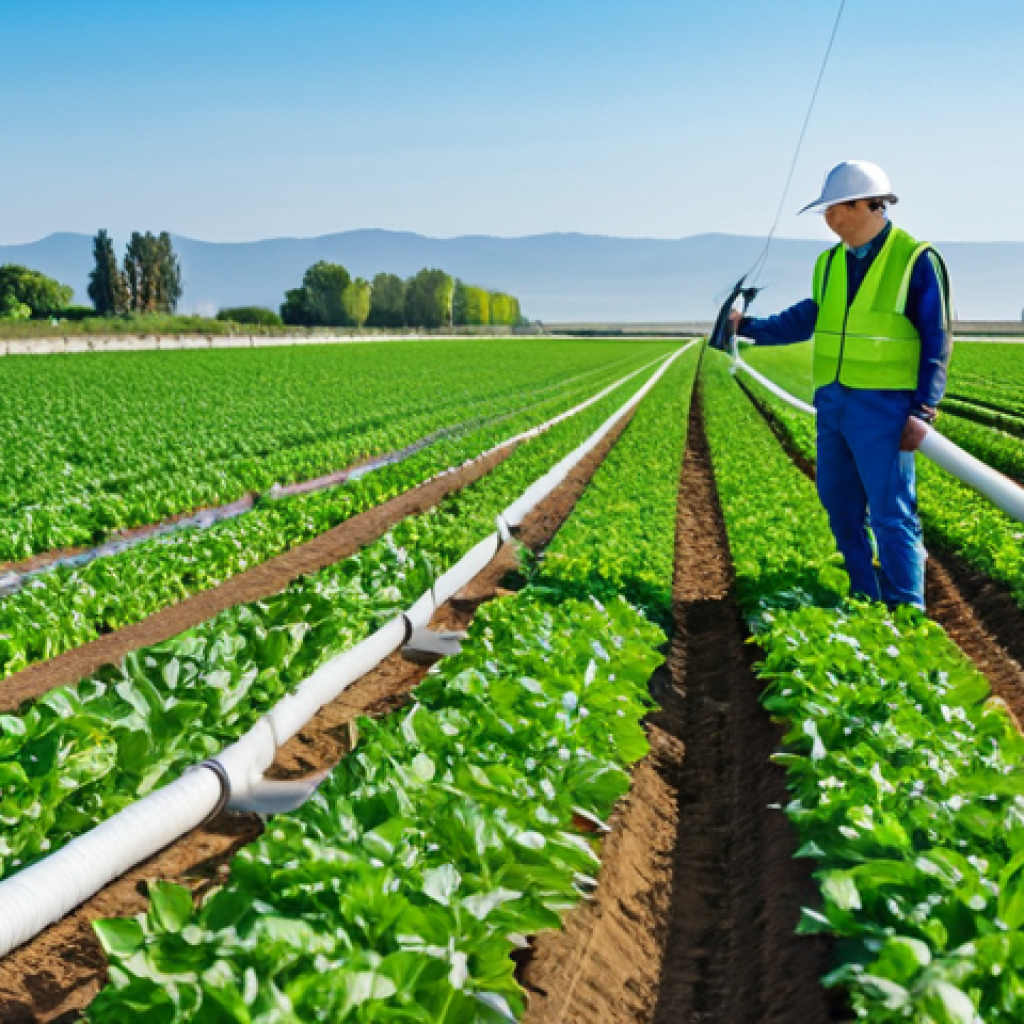
My personal journey into the world of agritech started with a profound fascination for how dry, seemingly inhospitable regions could blossom into agricultural powerhouses.
It truly hit me when I first understood the scale of Israel’s water challenge, yet saw their fields thriving. This isn’t just about clever engineering; it’s a national ethos born from centuries of living with scarcity, turning desperate need into groundbreaking innovation that frankly, the rest of the world desperately needs to learn from.
The ingenuity I’ve witnessed in their water management solutions isn’t merely impressive; it’s a game-changer for global food security, showing us how to stretch every drop of water for maximum impact.
1. Drip Irrigation: The Silent Revolution that Quenched a Nation
I remember the first time I saw a field being irrigated with a drip system, not in Israel, but inspired by it, and the sheer elegance of it just struck me.
It felt like such a common-sense solution, yet it was pioneered here in the desert. Gone are the days of wasteful flood irrigation; instead, water and nutrients are delivered directly to the plant roots, precisely when and where they’re needed.
My own garden, suffering from dry patches, could benefit immensely from this focused approach. This system, which many now take for granted, was revolutionary, enabling high-yield agriculture in areas previously deemed unfarmable.
It minimizes evaporation and runoff, leading to incredible water savings – often 50% or more compared to traditional methods. It’s an efficiency marvel, and frankly, I felt a deep admiration for the foresight that led to its widespread adoption, transforming the very landscape.
2. Advanced Water Recycling: From Scarcity to Abundance
When I first learned that Israel recycles over 90% of its wastewater for agricultural use, my jaw literally dropped. This isn’t just a number; it’s a monumental achievement that has fundamentally reshaped their relationship with water.
I’ve personally seen the pipelines crisscrossing the landscape, carrying treated water back to farms, and it’s a testament to audacious long-term planning.
They’ve perfected sophisticated treatment processes that purify municipal wastewater to a standard safe for irrigation, proving that water scarcity isn’t an insurmountable barrier but a powerful catalyst for innovation.
This visionary approach ensures that every drop has multiple lives, an essential blueprint for countries worldwide grappling with diminishing freshwater supplies.
It’s about building a circular economy for water, something I believe every nation should aspire to.
Precision Agriculture: The Data-Driven Revolution
Walking through the exhibition, the sheer volume of data-driven solutions for farming was astounding. It wasn’t just about bigger tractors; it was about smarter fields.
I’ve always been fascinated by how technology can optimize natural processes, but seeing it applied to agriculture with such precision felt like witnessing a quiet revolution.
Farmers, who traditionally relied on intuition and experience, are now armed with real-time data, allowing them to make incredibly informed decisions, much like a savvy investor analyzing market trends.
This level of granular control over every aspect of crop growth is, in my view, the future of food production.
1. AI and IoT in the Field: Smart Farming Redefined
Imagine tiny sensors embedded in the soil, constantly monitoring moisture levels, nutrient content, and even predicting pest outbreaks. That’s not science fiction; I saw it in action.
These IoT devices, coupled with AI algorithms, analyze vast amounts of data to give farmers actionable insights. For example, I spoke with a farmer who described how AI-powered cameras could identify early signs of plant stress long before a human eye could, allowing for targeted interventions.
This isn’t just about saving resources; it’s about maximizing yields with unparalleled efficiency. It personalizes farming down to the individual plant, something I never thought possible on a large scale.
My experience in my own small garden always highlighted how unique each plant’s needs are, and seeing that scale up through AI was truly inspiring.
2. Robotics and Automation: Efficiency at Your Fingertips
I distinctly remember watching a small, agile robot meticulously inspect rows of crops, identifying weeds with pinpoint accuracy and zapping them with minimal herbicide.
It was like something out of a sci-fi movie, but utterly real and practical. From autonomous tractors that optimize planting and harvesting schedules to robotic fruit pickers designed to minimize damage, automation is transforming the physical labor of farming.
This isn’t just about reducing costs; it addresses labor shortages, improves safety, and allows for operations 24/7. It means fewer mistakes and more consistent outcomes, which, as a consumer, I appreciate directly in the quality and availability of produce.
The integration of these robotic helpers felt less like replacing human effort and more like augmenting it, freeing up farmers for more strategic tasks.
Beyond Traditional Fields: Vertical Farming and Novel Proteins
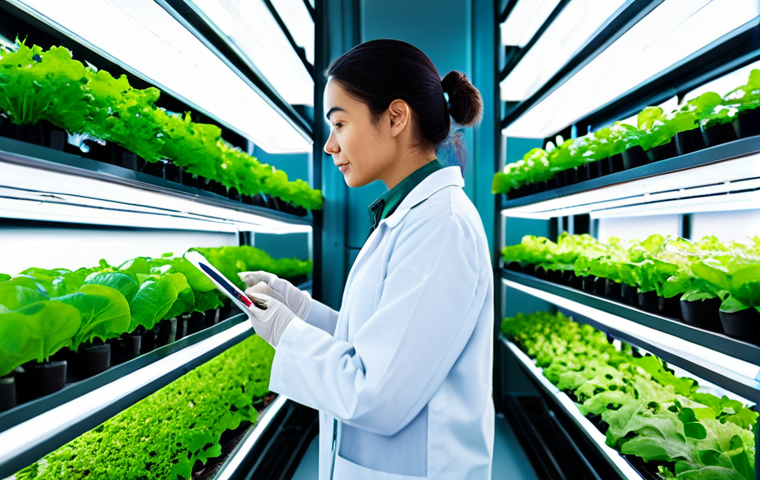
Stepping into the controlled environment of a vertical farm exhibit felt like entering a futuristic food factory, a stark contrast to the vast open fields I usually associate with agriculture.
It was clear that the answer to feeding a burgeoning global population isn’t just more land, but smarter, more efficient use of space. This shift towards urban, climate-controlled farming, alongside the exploration of alternative protein sources, deeply resonated with my growing concern for sustainable living.
It’s about resilience and finding innovative ways to produce food where traditional methods are simply no longer viable or efficient.
1. Stacking Up Success: Urban Vertical Farms
I’ve always been intrigued by the idea of growing food closer to consumers, reducing transportation costs and environmental impact. Witnessing the various vertical farming setups, from multi-story warehouses to shipping container farms, was incredibly exciting.
The sheer density of production in such a small footprint is mind-boggling. Imagine fresh, pesticide-free herbs and leafy greens grown year-round, right in the heart of a city, unaffected by extreme weather events.
I learned about systems that use up to 95% less water than traditional farming, thanks to recirculating hydroponics or aeroponics. The quality of the produce, often more vibrant and flavorful due to optimized growing conditions, truly impressed me.
This innovation isn’t just about food production; it’s about redefining the food supply chain for urban environments.
2. Sustainable Protein Sources: Feeding a Growing World
My palate, I confess, was a little apprehensive at first, but the variety of novel protein sources being developed was astonishing. From plant-based meat alternatives that genuinely replicate the taste and texture of conventional meat, to intriguing insect-based proteins and even lab-grown meat, the drive to find sustainable ways to meet global protein demand is palpable.
I tasted some surprisingly delicious plant-based burgers and saw prototypes of highly efficient insect farms. This shift isn’t just for niche markets; it’s a serious effort to diversify our protein supply, reduce the environmental footprint of livestock farming, and offer nutritious, scalable alternatives for a growing population.
It speaks to a deep commitment to planetary health that I truly admire.
Protecting Our Harvests: Biotech and Disease Management
One aspect that truly solidified my trust in Israeli agritech was their unwavering focus on crop resilience and disease management. It’s not enough to grow food; you have to protect it from the myriad threats posed by pests, diseases, and climate change.
I’ve personally experienced the frustration of a garden ravaged by blight, so seeing solutions that prevent such losses on a massive scale felt incredibly empowering.
Their multi-faceted approach combines cutting-edge biotechnology with eco-friendly practices, showcasing a holistic view of agricultural sustainability.
1. Genetic Innovation for Resilient Crops
I had the opportunity to learn about how specific genes are identified and utilized to develop crops that are naturally resistant to common diseases or can thrive in challenging conditions, like saline water or extreme temperatures.
This isn’t just about modifying crops; it’s about understanding their genetic makeup to enhance their inherent strengths. For example, I heard a story about a new tomato variety developed to resist a widespread virus, saving entire harvests for countless farmers.
This level of focused genetic improvement felt incredibly responsible and impactful, offering sustainable solutions without relying solely on chemical interventions.
It’s about empowering plants to protect themselves, which feels like a more natural and enduring solution.
2. Biopesticides and Sustainable Crop Protection
The shift away from broad-spectrum chemical pesticides towards more targeted, biologically-based solutions was incredibly refreshing to witness. I’m always looking for ways to garden more organically, so seeing these principles applied on an industrial scale was very inspiring.
I learned about ingenious methods like using beneficial insects to control pests, or developing naturally derived compounds that deter specific threats without harming beneficial organisms or the environment.
It’s a smarter, more nuanced approach to pest management that prioritizes ecological balance. This focus on sustainable crop protection not only safeguards the environment but also ensures safer food for consumers, which, from my perspective, is a win-win situation we should all champion.
Empowering Farmers Globally: The Knowledge Export
What truly left an indelible mark on me was not just the technology itself, but the profound sense of mission shared by the innovators: to share their breakthroughs with the world.
It’s one thing to solve your own problems, but it’s another entirely to dedicate your expertise to helping others, especially in developing nations where food security is a daily struggle.
This spirit of global cooperation and knowledge transfer feels like the most powerful innovation of all, transforming lives far beyond their own borders.
I’ve personally seen the ripple effect of such generosity, and it instills immense hope for our collective future.
1. Scaling Solutions for Developing Nations
I remember talking to an engineer who passionately described adapting a sophisticated irrigation system for smallholder farmers in Africa, making it affordable and easily maintainable.
It wasn’t about imposing complex tech; it was about tailoring solutions to specific needs, ensuring they were sustainable and empowering. From drought-resistant seed varieties to accessible water purification technologies, the focus on scalability and practicality for vulnerable communities truly resonated with me.
It’s about more than just selling products; it’s about building capacity and fostering self-sufficiency, addressing hunger and poverty at its roots. This is the kind of meaningful impact that truly changes the world, one community at a time.
2. Cross-Border Collaborations: A Shared Future
The exhibition showcased numerous partnerships between Israeli companies and organizations from around the globe, from large-scale agricultural projects in Asia to educational initiatives in Latin America.
It was clear that these innovations aren’t meant to be kept in isolation. I saw a live demonstration of a remote monitoring system being used in a farm thousands of miles away, highlighting the power of digital collaboration.
This willingness to collaborate, to share knowledge, and to co-develop solutions speaks volumes about their commitment to a shared, more food-secure future for everyone.
It’s a testament to the belief that global challenges require global solutions, and that by working together, we can truly cultivate a better world.
| Innovation Area | Traditional Agricultural Approach | Israeli Agritech Breakthrough |
|---|---|---|
| Water Usage | Flood or sprinkler irrigation, significant water loss (evaporation/runoff) | Precision drip irrigation, highly efficient water recycling (over 90%), desalination for agriculture |
| Crop Productivity | Reliance on fertile land, conventional methods, variable yields | AI-driven precision farming, vertical farms (dense, climate-controlled), optimized nutrient delivery |
| Pest & Disease Control | Broad-spectrum chemical pesticides, reactive treatment | Biological controls, targeted biopesticides, disease-resistant crop genetics, predictive analytics |
| Land & Resource Use | Extensive land requirements, high energy/fertilizer input, limited growth seasons | Intensive use of space (vertical farms), resource efficiency, year-round cultivation, reduced carbon footprint |
| Protein Production | Primarily traditional livestock farming with high resource demands | Diversification into plant-based alternatives, insect farming, lab-grown meat for sustainable protein |
Closing Thoughts
My journey through the world of Israeli agritech has been nothing short of eye-opening. What started as a personal curiosity has blossomed into a profound appreciation for innovation born out of necessity, transforming arid landscapes into vibrant fields.
It’s a powerful reminder that with ingenuity and an unwavering spirit, seemingly impossible challenges like water scarcity and food security can be overcome, not just locally, but for the benefit of humanity.
This isn’t just about technology; it’s about a mindset, a commitment to future generations, and a shared vision for a more sustainable and food-secure world.
Useful Information
1. If you’re interested in experiencing agritech firsthand, consider visiting agricultural technology expos. Major global events often feature Israeli innovators showcasing their latest breakthroughs, providing a tangible sense of the future of farming.
2. For those keen on sustainable living, many of the principles of precision agriculture, like drip irrigation or smart sensing, can be adapted for home gardens, significantly reducing water usage and improving plant health.
3. Keep an eye on global food trends – the rise of vertical farming and novel proteins isn’t just for niche markets anymore. These innovations are steadily making their way into mainstream supermarkets, offering fresher, more sustainable choices for consumers.
4. Investing in agritech isn’t just for big players. There are numerous startups and publicly traded companies focused on sustainable agriculture, offering opportunities for those looking to support innovative solutions to global challenges.
5. Educate yourself about your local food supply chain. Understanding where your food comes from and the resources required to produce it can help you make more informed and sustainable choices in your daily life.
Key Takeaways
Israeli agritech exemplifies innovation driven by scarcity, particularly in water management and crop resilience. Key advancements include precision drip irrigation, advanced water recycling, AI and IoT-driven smart farming, and sustainable crop protection.
These technologies are not only transforming local agriculture but are also being exported globally, empowering farmers and fostering a more food-secure future worldwide.
Frequently Asked Questions (FAQ) 📖
Q: What exactly makes Israel such a hotbed for agricultural innovation, especially given its relatively small size and arid conditions?
A: Honestly, having spent time understanding their journey, it’s truly mind-boggling. It’s not just a lucky break; it’s a deeply ingrained resilience born from pure necessity.
When you’re literally trying to grow food in a desert, you have to innovate, or you starve. This isn’t just about developing a new tech; it’s about generations of scientists, engineers, and farmers working together with a fierce dedication, fueled by the memory of scarcity.
I remember visiting a small farm outside Be’er Sheva years ago, and the farmer spoke about water as if it were liquid gold – a mindset that has driven them to create breakthroughs like advanced drip irrigation and water recycling that the rest of the world is now clamoring for.
Their raw ingenuity is unmatched because failure wasn’t an option.
Q: Beyond the buzzwords like “
A: I-driven precision agriculture,” can you share a personal insight into a specific technology you’ve seen making a real, tangible difference? A2: The one that always sticks with me, personally, is the evolution of drip irrigation, specifically its integration with real-time data and sensors.
It sounds simple, but it genuinely blew my mind. I recall a moment when I saw a system that wasn’t just dripping water; it was analyzing soil moisture, plant stress, even weather forecasts, and adjusting water delivery down to the individual plant.
It wasn’t a massive, expensive setup for some corporate farm either; it was being adapted for smallholder farmers, making a profound impact on their yields and dramatically cutting water usage.
Seeing farmers who previously struggled now consistently producing abundant, high-quality crops with significantly less water – it’s not just a fancy gadget; it’s a lifeline.
It’s an incredibly smart, subtle technology that brings huge returns.
Q: How do these Israeli innovations actually trickle down and affect the average person globally, not just high-tech farms or distant nations?
A: Well, this is where it gets really exciting for all of us, isn’t it? Think about your weekly grocery bill, or the availability of fresh produce even in off-seasons.
These innovations are directly contributing to more stable food supplies and, eventually, more affordable food. When farmers around the world adopt these water-saving or yield-boosting technologies, it means less crop loss, better quality, and a more resilient food system.
For instance, if a region that used to struggle with drought can now grow more food thanks to Israeli water tech, that reduces pressure on global supply chains, which means less price volatility at your local supermarket.
Beyond that, it’s about preserving precious resources. Less water wasted in agriculture means more water available for drinking, for cities, for ecosystems – impacting everything from your water bill to the natural environment you enjoy.
It’s about more than just food; it’s about stability and sustainability for everyone.
📚 References
Wikipedia Encyclopedia
구글 검색 결과
구글 검색 결과
구글 검색 결과
구글 검색 결과
구글 검색 결과