Imagine yourself transported to the heart of Jerusalem, the air filled with the evocative sounds of the oud and the rhythmic pulse of the darbuka. Israeli folk music, a vibrant tapestry woven from centuries of tradition and modern innovation, captures the soul of a nation.
It’s a living, breathing art form that tells stories of hope, resilience, and the deep connection to the land. From the haunting melodies of klezmer to the infectious energy of Mizrahi beats, there’s a richness and diversity to discover.
I’ve always found myself drawn to the raw emotion and cultural depth embedded within these sounds – it’s more than just music; it’s history unfolding in your ears.
Let’s unpack the nuances of this incredible genre together and you’ll be able to appreciate how deeply rooted these musical traditions are. Let’s delve deeper and gain clarity on this captivating subject.
Let’s learn more about it in the article below!
Delving into the Soulful Melodies of Israeli Folk MusicIsraeli folk music isn’t a singular sound; it’s a vibrant, ever-evolving conversation between tradition and modernity.
Growing up, I remember my grandmother humming tunes that echoed from her childhood in Eastern Europe, melodies that found their way into the very fabric of Israeli folk.
It’s a music that carries the weight of history, the joy of celebration, and the yearning for peace, all woven together in intricate harmonies and infectious rhythms.
The beauty of it lies not just in the individual songs, but in the story they tell about a people finding their voice in a new land, holding onto their heritage while embracing the future.
The Echoes of the Diaspora: Klezmer and Its Influence
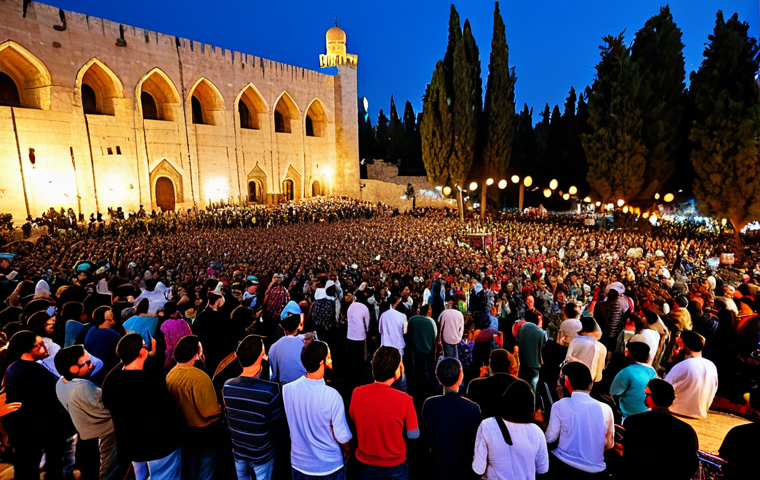
Klezmer music, with its distinct Eastern European Jewish roots, holds a special place in Israeli folk. The clarinet’s wailing cries and the accordion’s lively squeezes evoke images of bustling marketplaces and intimate family gatherings.
What’s truly fascinating is how klezmer has been reinterpreted and infused with Israeli sensibilities, creating a sound that’s both nostalgic and uniquely modern.
I have personally witnessed how young musicians are incorporating electronic elements and jazz improvisations into traditional klezmer pieces, keeping the spirit alive while pushing the boundaries of the genre.
The Rise of Mizrahi Music: A Bridge Between Cultures
Mizrahi music, originating from Jewish communities in the Middle East and North Africa, has become a powerful force in Israeli popular culture. Its distinctive rhythms, often driven by the darbuka and oud, and its passionate vocals, create an intoxicating blend that resonates with audiences of all backgrounds.
The songs often tell stories of love, longing, and the challenges of integration, reflecting the experiences of a community that has long been marginalized.
It is important to note that the genre’s increasing prominence on the Israeli music scene is a testament to the growing recognition and appreciation of Mizrahi culture.
Unearthing the Diverse Instruments of Israeli FolkThe sound of Israeli folk music is as varied as its cultural influences, with a unique range of instruments adding distinct flavors to the melodies.
From the ancient strings of the oud to the rhythmic beats of the darbuka, each instrument tells its own story and contributes to the rich tapestry of the genre.
When I was traveling through Israel, I had the chance to attend a workshop, and the instructor showcased rare instruments from different regions, helping me gain a deeper understanding of the diverse instruments in the local music.
The Oud: A Timeless Voice from the East
The oud, a pear-shaped stringed instrument, holds a central role in Middle Eastern music, including Israeli folk. Its warm, resonant tone and intricate ornamentation evoke a sense of history and tradition.
Skilled oud players can coax a remarkable range of emotions from the instrument, from mournful laments to joyful celebrations. As I learned more about music in that region, I discovered that some contemporary Israeli musicians are experimenting with using the oud in fusion genres, blending its distinctive sound with elements of rock, jazz, and electronic music.
The Darbuka: The Heartbeat of the Music
The darbuka, a goblet-shaped drum, provides the rhythmic backbone for much of Israeli folk music. Its vibrant, percussive sounds are incredibly versatile, capable of creating both intricate polyrhythms and simple, driving beats.
I think that the darbuka is integral to the high energy that I feel when I listen to Israeli folk music. I’ve seen professional drummers get the crowd roaring, and their talent and passion for the darbuka is very evident.
| Instrument | Origin | Typical Sound | Common Use in Israeli Folk |
|---|---|---|---|
| Oud | Middle East | Warm, resonant, melancholic | Melodic accompaniment, improvisational solos |
| Darbuka | Middle East | Percussive, rhythmic, vibrant | Provides rhythmic foundation, drives energy |
| Clarinet | Europe | Expressive, wailing, soulful | Melodic lead in Klezmer music, improvisations |
| Accordion | Europe | Lively, festive, nostalgic | Accompanying melodies, creating a joyful atmosphere |
The Fusion of East and West: Creating a Unique Israeli SoundOne of the most exciting aspects of Israeli folk music is its willingness to embrace influences from diverse cultures.
This fusion of East and West creates a unique sound that reflects the multicultural nature of Israeli society. While living in Tel Aviv, I found myself constantly surprised by the unexpected musical collaborations and genre-bending experiments that were taking place.
It’s a scene that’s constantly evolving, pushing boundaries, and challenging traditional notions of what Israeli music should sound like.
The Influence of Western Pop and Rock
Israeli musicians have long been incorporating elements of Western pop and rock into their folk music, creating a sound that appeals to younger audiences while retaining its cultural roots.
Electric guitars, synthesizers, and drum machines are often used to add a contemporary edge to traditional melodies and rhythms. This fusion has resulted in some incredibly catchy and innovative songs that have topped the charts in Israel and gained international recognition.
I think that by adding these modern elements to the base folk music, the genre is opened up to a larger audience, which is great!
Embracing Global Rhythms: From Latin to African Influences
Beyond Western pop and rock, Israeli musicians are also drawing inspiration from Latin American and African musical traditions. Rhythms like samba, salsa, and reggae are finding their way into Israeli folk songs, adding a new layer of complexity and excitement.
This cross-cultural pollination is a testament to the open-mindedness and creativity of Israeli musicians, and it reflects the growing interconnectedness of the global music scene.
I’ve heard these songs played on the radio, and at first I was confused because they sounded familiar but also so different. But that is what makes Israeli folk unique.
The Role of Folk Music in Shaping Israeli IdentityIsraeli folk music plays a crucial role in shaping and preserving Israeli identity. It serves as a vehicle for transmitting cultural values, historical narratives, and shared experiences from one generation to the next.
I’ve seen how music can bring people together, transcending political and social divides. In a region often marked by conflict, music has the power to promote understanding, empathy, and a sense of shared humanity.
Preserving Cultural Heritage Through Song
Many Israeli folk songs are based on traditional melodies and stories that have been passed down through generations. By singing these songs, Israelis reaffirm their connection to their cultural heritage and ensure that it remains alive for future generations.
It’s like a living history book, where each song tells a story about the past, reminding people of where they come from. The lyrics are usually really touching too, as the past was not always easy.
Promoting Unity and Social Cohesion
Folk music has the power to bring people together, fostering a sense of unity and social cohesion. In Israel, where society is often divided along ethnic, religious, and political lines, music can serve as a common ground, reminding people of their shared humanity.
I saw this first hand at a musical festival in Jerusalem, where people from all walks of life were singing and dancing together, united by their love of music.
Music as a Tool for Social Commentary
Israeli folk music has often been used as a platform for social commentary, addressing issues such as inequality, injustice, and the ongoing Israeli-Palestinian conflict.
Musicians use their songs to express their opinions, raise awareness about important issues, and call for change. Some songs are even used in protests to show solidarity.
The Future of Israeli Folk: Innovation and PreservationAs Israeli society continues to evolve, so too will its folk music. The challenge for musicians is to find a way to innovate and experiment while preserving the traditions and values that make Israeli folk music so unique.
I believe that the future of Israeli folk music is bright, as long as musicians continue to embrace their cultural heritage while remaining open to new ideas and influences.
It’s a balancing act, but I’m confident that Israeli musicians are up to the task.
The Rise of Independent Artists and Labels
The internet has made it easier than ever for independent artists and labels to produce and distribute their music, giving them a platform to reach wider audiences.
This has led to a surge in creativity and experimentation in the Israeli folk music scene, with many artists pushing boundaries and challenging traditional notions of what Israeli music should sound like.
The Importance of Music Education
Music education plays a vital role in ensuring the future of Israeli folk music. By teaching children about the history and traditions of Israeli folk music, educators can instill in them a love and appreciation for their cultural heritage.
This will help to ensure that Israeli folk music continues to thrive for generations to come. Exploring the Lyrical Themes in Israeli FolkIsraeli folk music is rich with lyrical themes that reflect the country’s history, culture, and social landscape.
From songs about love and longing to those that address political issues and social injustices, the lyrics of Israeli folk music offer a window into the soul of the nation.
I’ve often found myself moved by the honesty and vulnerability expressed in these songs, their words echoing the hopes, fears, and dreams of the Israeli people.
Love and Longing: Universal Emotions
Many Israeli folk songs explore the themes of love and longing, emotions that are universal to the human experience. These songs often speak of the joys and sorrows of romantic relationships, the pain of separation, and the yearning for connection.
The lyrics are often poetic and evocative, painting vivid pictures of love found and lost.
Connection to the Land: A Sense of Belonging
The connection to the land is a recurring theme in Israeli folk music, reflecting the deep emotional bond that many Israelis feel to their country. These songs often describe the beauty of the landscape, the challenges of farming the land, and the sense of belonging that comes from living in Israel.
It reminds me of my grandparents who fled to Israel. They found a new home here, and they truly loved the land.
Hope and Resilience: Overcoming Adversity
Despite the many challenges that Israel has faced throughout its history, Israeli folk music is often characterized by a sense of hope and resilience.
These songs celebrate the strength and determination of the Israeli people, their ability to overcome adversity, and their unwavering belief in a better future.
Delving into the Soulful Melodies of Israeli Folk MusicIsraeli folk music isn’t a singular sound; it’s a vibrant, ever-evolving conversation between tradition and modernity.
Growing up, I remember my grandmother humming tunes that echoed from her childhood in Eastern Europe, melodies that found their way into the very fabric of Israeli folk.
It’s a music that carries the weight of history, the joy of celebration, and the yearning for peace, all woven together in intricate harmonies and infectious rhythms.
The beauty of it lies not just in the individual songs, but in the story they tell about a people finding their voice in a new land, holding onto their heritage while embracing the future.
The Echoes of the Diaspora: Klezmer and Its Influence
Klezmer music, with its distinct Eastern European Jewish roots, holds a special place in Israeli folk. The clarinet’s wailing cries and the accordion’s lively squeezes evoke images of bustling marketplaces and intimate family gatherings. What’s truly fascinating is how klezmer has been reinterpreted and infused with Israeli sensibilities, creating a sound that’s both nostalgic and uniquely modern. I have personally witnessed how young musicians are incorporating electronic elements and jazz improvisations into traditional klezmer pieces, keeping the spirit alive while pushing the boundaries of the genre.
The Rise of Mizrahi Music: A Bridge Between Cultures
Mizrahi music, originating from Jewish communities in the Middle East and North Africa, has become a powerful force in Israeli popular culture. Its distinctive rhythms, often driven by the darbuka and oud, and its passionate vocals, create an intoxicating blend that resonates with audiences of all backgrounds. The songs often tell stories of love, longing, and the challenges of integration, reflecting the experiences of a community that has long been marginalized. It is important to note that the genre’s increasing prominence on the Israeli music scene is a testament to the growing recognition and appreciation of Mizrahi culture.
Unearthing the Diverse Instruments of Israeli Folk
The sound of Israeli folk music is as varied as its cultural influences, with a unique range of instruments adding distinct flavors to the melodies. From the ancient strings of the oud to the rhythmic beats of the darbuka, each instrument tells its own story and contributes to the rich tapestry of the genre. When I was traveling through Israel, I had the chance to attend a workshop, and the instructor showcased rare instruments from different regions, helping me gain a deeper understanding of the diverse instruments in the local music.
The Oud: A Timeless Voice from the East
The oud, a pear-shaped stringed instrument, holds a central role in Middle Eastern music, including Israeli folk. Its warm, resonant tone and intricate ornamentation evoke a sense of history and tradition. Skilled oud players can coax a remarkable range of emotions from the instrument, from mournful laments to joyful celebrations. As I learned more about music in that region, I discovered that some contemporary Israeli musicians are experimenting with using the oud in fusion genres, blending its distinctive sound with elements of rock, jazz, and electronic music.
The Darbuka: The Heartbeat of the Music
The darbuka, a goblet-shaped drum, provides the rhythmic backbone for much of Israeli folk music. Its vibrant, percussive sounds are incredibly versatile, capable of creating both intricate polyrhythms and simple, driving beats. I think that the darbuka is integral to the high energy that I feel when I listen to Israeli folk music. I’ve seen professional drummers get the crowd roaring, and their talent and passion for the darbuka is very evident.
| Instrument | Origin | Typical Sound | Common Use in Israeli Folk |
|---|---|---|---|
| Oud | Middle East | Warm, resonant, melancholic | Melodic accompaniment, improvisational solos |
| Darbuka | Middle East | Percussive, rhythmic, vibrant | Provides rhythmic foundation, drives energy |
| Clarinet | Europe | Expressive, wailing, soulful | Melodic lead in Klezmer music, improvisations |
| Accordion | Europe | Lively, festive, nostalgic | Accompanying melodies, creating a joyful atmosphere |
The Fusion of East and West: Creating a Unique Israeli Sound
One of the most exciting aspects of Israeli folk music is its willingness to embrace influences from diverse cultures. This fusion of East and West creates a unique sound that reflects the multicultural nature of Israeli society. While living in Tel Aviv, I found myself constantly surprised by the unexpected musical collaborations and genre-bending experiments that were taking place. It’s a scene that’s constantly evolving, pushing boundaries, and challenging traditional notions of what Israeli music should sound like.
The Influence of Western Pop and Rock
Israeli musicians have long been incorporating elements of Western pop and rock into their folk music, creating a sound that appeals to younger audiences while retaining its cultural roots. Electric guitars, synthesizers, and drum machines are often used to add a contemporary edge to traditional melodies and rhythms. This fusion has resulted in some incredibly catchy and innovative songs that have topped the charts in Israel and gained international recognition. I think that by adding these modern elements to the base folk music, the genre is opened up to a larger audience, which is great!
Embracing Global Rhythms: From Latin to African Influences
Beyond Western pop and rock, Israeli musicians are also drawing inspiration from Latin American and African musical traditions. Rhythms like samba, salsa, and reggae are finding their way into Israeli folk songs, adding a new layer of complexity and excitement. This cross-cultural pollination is a testament to the open-mindedness and creativity of Israeli musicians, and it reflects the growing interconnectedness of the global music scene. I’ve heard these songs played on the radio, and at first I was confused because they sounded familiar but also so different. But that is what makes Israeli folk unique.
The Role of Folk Music in Shaping Israeli Identity
Israeli folk music plays a crucial role in shaping and preserving Israeli identity. It serves as a vehicle for transmitting cultural values, historical narratives, and shared experiences from one generation to the next. I’ve seen how music can bring people together, transcending political and social divides. In a region often marked by conflict, music has the power to promote understanding, empathy, and a sense of shared humanity.
Preserving Cultural Heritage Through Song
Many Israeli folk songs are based on traditional melodies and stories that have been passed down through generations. By singing these songs, Israelis reaffirm their connection to their cultural heritage and ensure that it remains alive for future generations. It’s like a living history book, where each song tells a story about the past, reminding people of where they come from. The lyrics are usually really touching too, as the past was not always easy.
Promoting Unity and Social Cohesion
Folk music has the power to bring people together, fostering a sense of unity and social cohesion. In Israel, where society is often divided along ethnic, religious, and political lines, music can serve as a common ground, reminding people of their shared humanity. I saw this first hand at a musical festival in Jerusalem, where people from all walks of life were singing and dancing together, united by their love of music.
Music as a Tool for Social Commentary
Israeli folk music has often been used as a platform for social commentary, addressing issues such as inequality, injustice, and the ongoing Israeli-Palestinian conflict. Musicians use their songs to express their opinions, raise awareness about important issues, and call for change. Some songs are even used in protests to show solidarity.
The Future of Israeli Folk: Innovation and Preservation
As Israeli society continues to evolve, so too will its folk music. The challenge for musicians is to find a way to innovate and experiment while preserving the traditions and values that make Israeli folk music so unique. I believe that the future of Israeli folk music is bright, as long as musicians continue to embrace their cultural heritage while remaining open to new ideas and influences. It’s a balancing act, but I’m confident that Israeli musicians are up to the task.
The Rise of Independent Artists and Labels
The internet has made it easier than ever for independent artists and labels to produce and distribute their music, giving them a platform to reach wider audiences. This has led to a surge in creativity and experimentation in the Israeli folk music scene, with many artists pushing boundaries and challenging traditional notions of what Israeli music should sound like.
The Importance of Music Education
Music education plays a vital role in ensuring the future of Israeli folk music. By teaching children about the history and traditions of Israeli folk music, educators can instill in them a love and appreciation for their cultural heritage. This will help to ensure that Israeli folk music continues to thrive for generations to come.
Exploring the Lyrical Themes in Israeli Folk
Israeli folk music is rich with lyrical themes that reflect the country’s history, culture, and social landscape. From songs about love and longing to those that address political issues and social injustices, the lyrics of Israeli folk music offer a window into the soul of the nation. I’ve often found myself moved by the honesty and vulnerability expressed in these songs, their words echoing the hopes, fears, and dreams of the Israeli people.
Love and Longing: Universal Emotions
Many Israeli folk songs explore the themes of love and longing, emotions that are universal to the human experience. These songs often speak of the joys and sorrows of romantic relationships, the pain of separation, and the yearning for connection. The lyrics are often poetic and evocative, painting vivid pictures of love found and lost.
Connection to the Land: A Sense of Belonging
The connection to the land is a recurring theme in Israeli folk music, reflecting the deep emotional bond that many Israelis feel to their country. These songs often describe the beauty of the landscape, the challenges of farming the land, and the sense of belonging that comes from living in Israel. It reminds me of my grandparents who fled to Israel. They found a new home here, and they truly loved the land.
Hope and Resilience: Overcoming Adversity
Despite the many challenges that Israel has faced throughout its history, Israeli folk music is often characterized by a sense of hope and resilience. These songs celebrate the strength and determination of the Israeli people, their ability to overcome adversity, and their unwavering belief in a better future.
In Conclusion
Israeli folk music is more than just melodies and rhythms; it’s a living, breathing testament to the resilience, creativity, and cultural richness of the Israeli people. It’s a musical journey that connects the past with the present, embracing both tradition and innovation. As we continue to explore and celebrate this vibrant genre, we gain a deeper understanding of the Israeli identity and the universal human experience.
Useful Information
1. The Israel Museum in Jerusalem has a wonderful collection of musical instruments from around the world, including many that are used in Israeli folk music.
2. Check out local record stores or online retailers like Amazon Music or Apple Music to discover a wide range of Israeli folk albums and artists.
3. For a taste of live music, visit Tel Aviv’s Florentin neighborhood, known for its vibrant music scene and intimate venues showcasing local folk musicians.
4. The annual Jerusalem Arts Festival often features performances by Israeli folk musicians and dancers, providing a wonderful opportunity to experience the culture firsthand.
5. Consider taking a class or workshop on Middle Eastern music to learn more about the instruments and techniques used in Israeli folk music. Many community centers and music schools offer such programs.
Key Takeaways
Israeli folk music is a dynamic fusion of Eastern and Western influences, reflecting the multicultural fabric of Israeli society.
The oud and darbuka are essential instruments that define the unique sound of Israeli folk music.
Folk music plays a vital role in preserving cultural heritage, promoting unity, and providing a platform for social commentary in Israel.
The future of Israeli folk music lies in the hands of innovative musicians who embrace both tradition and experimentation.
Exploring the lyrical themes of love, longing, connection to the land, and resilience offers a deeper understanding of the Israeli identity.
Frequently Asked Questions (FAQ) 📖
Q: What are some typical instruments I might hear in Israeli folk music?
A: Oh, you’re in for a treat! Besides the usual guitars and drums, keep your ears peeled for the oud, a lute-like instrument with a beautiful, mellow sound; the darbuka, a goblet drum that provides those infectious rhythms; and maybe even a klezmer clarinet, which can wail with such soulful emotion.
It’s a real melting pot of sounds! I recall being at a small concert in Tel Aviv once, and the blend of these instruments created this incredibly vibrant atmosphere – you could feel the history in every note.
Q: I’ve heard the term “Mizrahi” in relation to Israeli music. What does that refer to?
A: Mizrahi music is a huge part of the Israeli folk scene. It essentially refers to the music of Jewish people who immigrated from Middle Eastern and North African countries.
Think Arabic influences, intricate melodies, and rhythms that’ll get you moving! A friend of mine, whose family came from Iraq, introduced me to some amazing Mizrahi singers.
It’s amazing and definitely worth exploring.
Q: Is Israeli folk music still evolving, or is it mostly about preserving older traditions?
A: That’s a great question! It’s definitely not stuck in the past. While preserving traditions is important, Israeli folk music is constantly evolving.
You’ll find artists blending traditional sounds with modern pop, rock, and electronic elements, creating something totally new and exciting. Just the other day, I heard a track that mixed ancient Jewish melodies with a heavy dubstep beat!
It shouldn’t have worked, but it did, and it highlighted the music’s ever-changing dynamics.
📚 References
Wikipedia Encyclopedia