Hey, fellow explorers! You know that feeling when you look up at the night sky and it just takes your breath away? Well, imagine that, but amplified a thousand times.
I’ve been lucky enough to experience the sheer magic of stargazing deep within the Israeli desert, where the darkness isn’t just dark, it’s a vibrant, sparkling tapestry of stars unlike anything you’ve ever seen.
This isn’t your backyard view; we’re talking about ancient landscapes meeting a cosmic wonder. In our busy, brightly lit world, escaping to such an untouched expanse of cosmos is truly a gift – a chance to unplug, reconnect, and witness the universe in all its glory.
I’ve personally picked up some truly unforgettable tips on how to make the most of this celestial adventure, from the best spots to capture those incredible photos to understanding the subtle dance of the constellations.
Let’s discover exactly how you can experience this awe-inspiring spectacle for yourself!
Unveiling the Cosmic Canvas: Why the Israeli Desert Shines for Stargazing
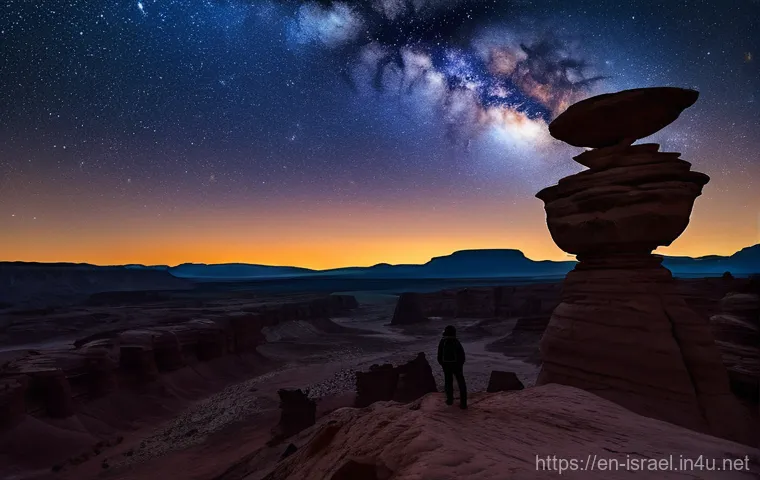
It’s just something you have to experience to truly understand: the darkness in the Israeli desert isn’t just an absence of light, it’s a profound, enveloping embrace that allows the universe to absolutely *explode* into view.
I’ve traveled quite a bit, chasing dark skies from remote mountain tops to secluded beaches, but nothing quite prepared me for the sheer intensity of the celestial display here.
What makes this corner of the world so special for stargazing, you ask? Well, it boils down to a perfect trifecta of natural conditions that just scream “stargazer’s paradise.” We’re talking about pristine, bone-dry air, a remarkable lack of light pollution, and even some impressive elevation that helps you feel just a little bit closer to the stars.
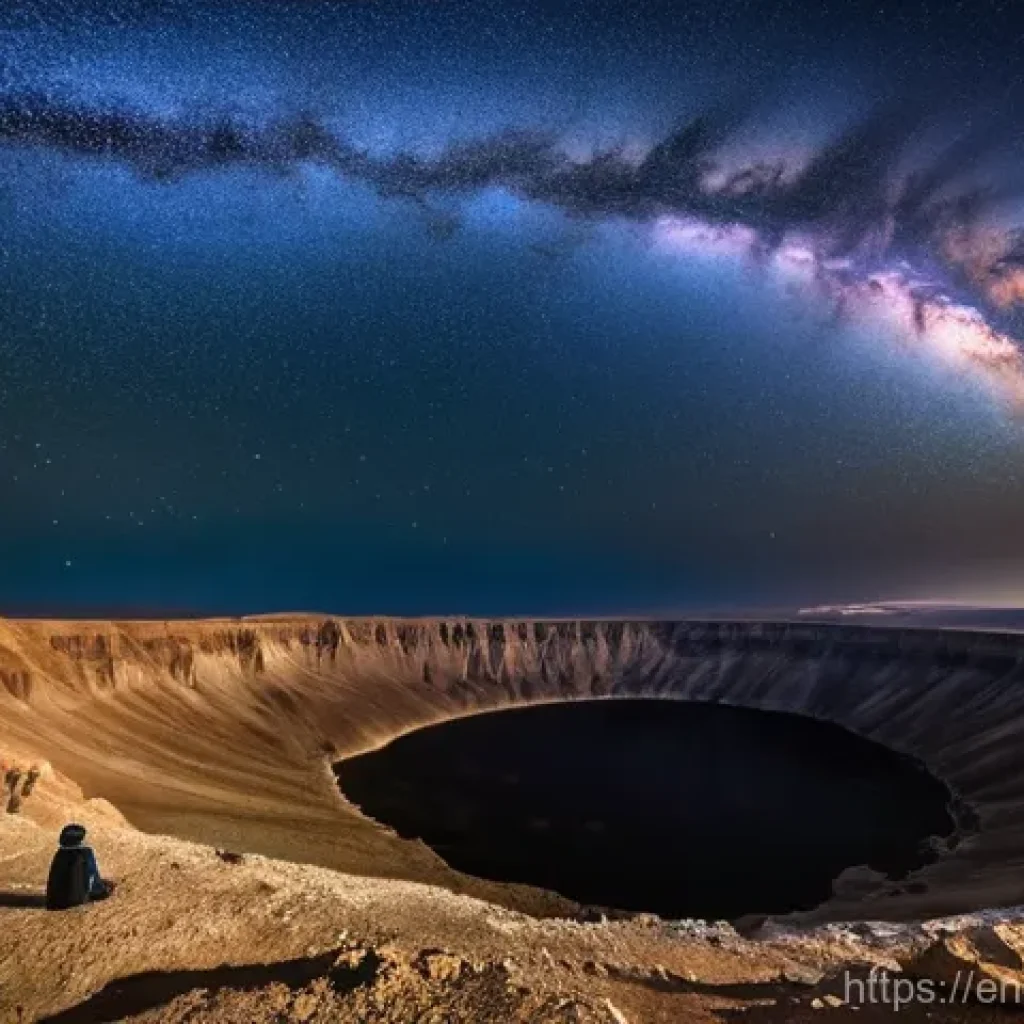
The first time I truly saw the Milky Way stretch across the sky like a shimmering river of light, I actually gasped. It wasn’t just visible; it was a vibrant, textured band you could almost reach out and touch.
This isn’t your average city sky; it’s a window into the cosmos.
The Magic of Unparalleled Darkness
Imagine being so far from artificial light that your eyes fully adjust, and suddenly, stars you never even knew existed begin to pop into view. That’s the desert magic right there.
Places like the Ramon Crater Nature Reserve are recognized as International Dark Sky Parks, which tells you just how seriously they take preserving this natural wonder.
This designation isn’t just a fancy title; it means conscious efforts are made to minimize light pollution, ensuring those of us who venture out are treated to an unspoiled view of the universe.
When you’re standing out there, wrapped in the profound silence of the desert night, the sheer number of stars is almost overwhelming. It feels incredibly humbling, like you’re witnessing the universe in its purest, most raw form.
It’s a feeling I always chase, and the Israeli desert delivers it in spades, offering a truly magnificent spectacle that frankly makes your average backyard stargazing session feel like looking through a keyhole.
I’ve often found myself just lying back, completely absorbed, letting the vastness wash over me.
Nature’s Own Observatory: Altitude and Arid Air
Beyond the absence of city lights, the desert environment offers some distinct advantages. The air here is incredibly dry, meaning there’s very little humidity to scatter starlight or create atmospheric haze.
This “transparency,” as astronomers call it, makes the sky appear exceptionally clear and sharp. Couple that with the higher altitudes you find in many parts of the Negev, like Mitzpe Ramon which sits at about 860 meters, and you’re literally reducing the amount of atmosphere between you and those distant galaxies.
It’s like having a natural, giant telescope already set up for you! I remember one particularly crisp night where every single star seemed to twinkle with an almost impossible brilliance.
The dry, clear conditions mean fewer cloudy nights too, giving you more opportunities for that perfect cosmic encounter. It’s truly a natural observatory, perfectly designed for revealing the universe’s most dazzling secrets.
My Top Picks for Celestial Immersion: Where to Find Your Stars
Okay, so you’re convinced the Israeli desert is the place to be, right? Now comes the fun part: picking *where* to go. Having explored several spots, I can tell you that while the entire Negev offers fantastic stargazing, some locations just hit different.
Each has its own unique charm, whether it’s the geological wonder of a crater or the historical whispers of an ancient park. When I plan my own trips, I always weigh what kind of experience I’m looking for – maybe I want a full-on guided tour, or perhaps a more rugged, independent adventure.
The good news is, there’s a perfect spot for every kind of cosmic explorer, from the casual admirer to the serious astrophotographer. These places aren’t just dark; they’re stunning landscapes by day that transform into breathtaking celestial theaters by night.
You really can’t go wrong, but I do have a few personal favorites that I believe offer truly unforgettable views and experiences.
Mitzpe Ramon: The Jewel of the Negev Sky
If you ask any local or seasoned traveler about stargazing in Israel, Mitzpe Ramon is almost always the first name that comes up, and for good reason!
This small town, perched on the edge of the magnificent Ramon Crater, is not only an International Dark Sky Park, but it also hosts Israel’s primary observatory.
The combination of its remote location, minimal light pollution, and the dramatic backdrop of the crater makes for an awe-inspiring experience. I’ve spent countless hours there, sometimes joining a guided tour where an expert pointed out constellations with a laser, other times simply finding a quiet spot along the crater rim, feeling dwarfed by the immense expanse above.
The feeling of looking down into the crater and then up at the seemingly endless sky is just incredible. They even have initiatives to further reduce light pollution, making it an even better spot.
You can even catch meteor showers here; I was lucky enough to witness a Perseid shower one August, and it was simply magical!
Timna Park’s Ancient Stargazing Secret
Just north of Eilat, Timna Park is a real hidden gem for stargazing, and it’s one of my absolute favorite spots. By day, it’s famous for its unique geological formations like Solomon’s Pillars and the Mushroom, ancient copper mines, and stunning desert landscapes.
But by night, away from any significant light sources, it transforms into a prime location for celestial observation. I remember camping there, setting up my telescope amidst these ancient formations, and it felt like I was stepping back in time, connecting with how ancient civilizations must have viewed the same sky.
The wide-open spaces and unique silhouettes of the rock formations make for fantastic foregrounds if you’re into astrophotography. The park often allows overnight camping, giving you the ultimate immersive experience of waking up to the desert sunrise after a night under a blanket of stars.
It’s truly a place where history and the cosmos collide in a spectacular display.
Venturing into the Vast Arava
For those who crave a truly remote and untouched experience, the Arava Desert, stretching south towards Eilat, offers incredible opportunities. It’s often less frequented by organized tours, making it perfect for a more solitary and profound connection with the night sky.
While some guided tours do operate here, the vastness allows for a sense of isolation that enhances the stargazing. I’ve driven along the Arava road, pulling off into a remote wadi, and been utterly mesmerized by the clarity of the stars.
The light pollution is virtually nonexistent, and the panoramic horizons provide an unobstructed view from one end of the Milky Way to the other. Just be prepared – this is truly off the beaten path, so you’ll need to be self-sufficient with your gear and supplies.
But trust me, the effort is absolutely worth it for the privilege of witnessing such an untouched cosmic spectacle.
Equipping Your Nightly Adventure: What to Bring Along
So, you’re ready to embrace the desert night, which is awesome! But before you head out, trust me, a little preparation goes a long, long way. The desert might be hot during the day, but those nights can get surprisingly chilly, even in summer.
I’ve learned this the hard way more than once, shivering under a sky full of stars when I should have been comfortably immersed in the moment. Beyond just staying warm, having the right tools can truly elevate your stargazing experience, whether you’re a seasoned astronomer or just someone looking to appreciate the beauty above.
Think of it as gearing up for a mini-expedition into the universe – you wouldn’t go hiking without the right shoes, and you shouldn’t go stargazing without the right essentials!
It’s all about maximizing your comfort and your ability to see and appreciate the incredible display.
Beyond the Basics: Essential Gear for Comfort and Clarity
First things first: layers, layers, layers! Even in April or October, when daytime temperatures are pleasant, desert nights can plummet. I always pack a warm jacket, a scarf, and even gloves or mittens, no matter the season.
A cozy blanket is also a non-negotiable for me, especially if I’m going to be lying down for extended periods. Comfortable camp chairs or even inflatable mattresses are a godsend for neck comfort when gazing upwards.
For actual stargazing, a good pair of binoculars can truly enhance the experience, bringing closer distant star clusters and the moon’s craters. If you’re serious, a portable telescope is fantastic, and many guided tours provide high-quality ones.
Don’t forget a red light headlamp – it preserves your night vision, which is absolutely crucial for seeing the faintest stars, and prevents you from being “that person” blinding everyone else.
Also, remember to bring plenty of water, even when it’s cool; the desert air is dry, and hydration is key.
Apps and Accessories to Elevate Your Experience
In our modern world, even stargazing gets a tech upgrade, and honestly, I wouldn’t go without some of these brilliant tools. A good stargazing app on your smartphone, like SkyView or Star Walk, is an absolute game-changer.
They use your phone’s gyroscope to show you exactly what constellations, planets, and even satellites are above you in real-time. It’s like having a personal astronomer in your pocket!
I use them constantly to identify that bright star or trace out a constellation I’m still learning. Beyond apps, a portable power bank is essential for keeping your phone charged, especially if you’re using it for navigation or astrophotography.
For added comfort, especially during longer sessions, consider a thermos with hot tea or coffee; there’s nothing quite like sipping a warm drink while lost in the cosmos.
And if you’re venturing out independently, make sure someone knows where you’re going and when you expect to be back.
| Category | Item | Why It’s Important |
|---|---|---|
| Comfort | Warm Layers (Jacket, Scarf, Gloves) | Desert nights get chilly, even in summer. |
| Comfort | Cozy Blanket / Camp Chair | For long, comfortable viewing sessions. |
| Viewing Aids | Binoculars | Magnify distant objects for clearer views. |
| Viewing Aids | Red Light Headlamp | Preserves night vision, crucial for dark skies. |
| Navigation/Info | Stargazing App (e.g., SkyView, Star Walk) | Identifies constellations and celestial objects. |
| Safety/Convenience | Plenty of Water | Stay hydrated in the dry desert air. |
| Safety/Convenience | Portable Power Bank | Keeps devices charged for photos and apps. |
| Optional | Thermos with Hot Drink | A warm treat to combat the chill. |
Capturing the Glittering Tapestry: Astrophotography for Every Skill Level
There’s something incredibly satisfying about not just witnessing the night sky, but also capturing a piece of it to take home. Astrophotography might sound intimidating, like you need thousands of dollars in gear and a degree in astrophysics, but I’m here to tell you that’s simply not true!
While dedicated equipment can achieve breathtaking results, even your smartphone can grab some surprisingly decent shots, especially under the incredibly dark skies of the Israeli desert.
I’ve had my share of blurry attempts and dark frames, but with a few simple tips and a dash of patience, I’ve managed to snag some truly memorable cosmic pictures.
The key is understanding a few basic principles and then just experimenting. Don’t be afraid to try; the desert offers such a unique backdrop that even beginner shots can look pretty amazing.
It’s a fantastic way to extend your stargazing experience beyond just looking up.
From Smartphone Snaps to DSLR Dazzlers
Let’s be real, most of us carry a capable camera in our pockets these days. Modern smartphones, especially newer models, have surprisingly good low-light capabilities.
While you won’t be capturing distant galaxies, you *can* get some cool wide-angle shots of the Milky Way or a bright moon, especially if you prop your phone up on a stable surface or a small tripod and use its “night mode” or manual settings.
But if you’re looking to truly dive into astrophotography, a DSLR or mirrorless camera is your best friend. What matters most isn’t necessarily the most expensive camera body, but a wide-angle lens with a wide aperture (think f/2.8 or lower).
I’ve seen some incredible shots taken with entry-level cameras, simply because the photographer knew their settings and had a good lens. The crucial element, no matter your camera, is stability.
A sturdy tripod is absolutely non-negotiable for astrophotography to prevent any blur from camera shake during long exposures.
Unlocking Stellar Settings for Your Camera
Once you have your camera on a tripod, it’s time to get into the manual settings. This is where the magic truly happens! You’ll want to set your lens to manual focus and, if possible, focus to infinity.
Sometimes, it helps to focus on a bright star using your camera’s live view and then zoom in to ensure it’s pin-sharp. For your aperture, set it as wide open as your lens allows (the lowest f-number).
This lets in the maximum amount of light. Next, for ISO, start around 1600-3200; this makes your camera more sensitive to light. You might need to adjust this depending on how much noise your camera produces at higher ISOs.
Finally, shutter speed: this is key! You’ll need a long exposure, typically between 15 and 30 seconds. Go much longer, and you’ll start to see star trails due to Earth’s rotation, which can be cool for artistic shots, but not if you want sharp points of light.
Using a remote shutter release or your camera’s timer (2-second minimum) is also essential to avoid any shake when you press the button. It takes practice, but when you nail it, the results are incredibly rewarding!
And remember to check your lens for dust or fog, especially in the desert where sand can be an issue.
Dive Deeper: Unique Stargazing Experiences and Guided Journeys
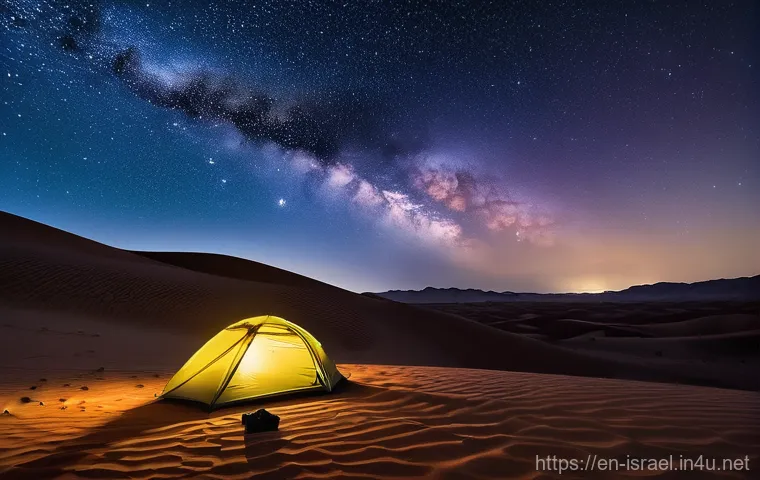
While finding your own secluded spot in the desert with a blanket and a hot drink is an undeniably magical experience, sometimes you want a little more guidance, a deeper understanding, or just the convenience of having everything taken care of.
And let me tell you, the Israeli desert delivers on that front too! I’ve had some truly fantastic experiences joining organized tours and even staying overnight in unique desert accommodations.
These options are perfect for those who are new to stargazing, want to learn from experts, or simply prefer a more structured adventure without the hassle of planning every detail.
It’s not just about looking at the stars; it’s about connecting with the culture, the history, and the sheer wonder of the cosmos with passionate guides who bring the night sky to life.
It’s a wonderful way to enhance your understanding and appreciation, creating memories that last a lifetime.
Joining Expert-Led Tours and Bedouin Encounters
One of the best ways to enhance your stargazing journey in the Israeli desert is by joining a guided tour. Trust me, having a knowledgeable local astronomer with a powerful telescope and a laser pointer is an absolute game-changer.
They can effortlessly guide your gaze to specific constellations, point out planets, identify deep-sky objects like nebulae and distant galaxies, and share fascinating facts and ancient myths.
I once joined a tour in Mitzpe Ramon where the guide, with a background in astrophysics, made the vastness of space feel incredibly accessible and personal.
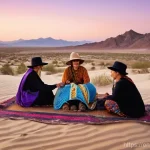
Many tours also incorporate traditional Bedouin hospitality, which is an experience in itself. Imagine enjoying a delicious traditional dinner in a hospitality tent, sipping warm tea around a bonfire, and then stepping out into the inky blackness to explore the stars.
It’s a blend of cultural immersion and cosmic wonder that I highly recommend. These experiences range from basic private sessions to larger group activities, often including transportation to the dark sky sites.
Sleeping Under the Milky Way: Overnight Options
For the ultimate immersive experience, why not spend the entire night under the stars? Many areas in the Negev and around the Ramon Crater offer fantastic camping opportunities, from basic self-setup sites to more comfortable Bedouin-style camps.
I’ve done both, and there’s something incredibly profound about drifting off to sleep with the stars twinkling overhead and waking up to the soft hues of a desert sunrise.
Some Bedouin camps even offer shared accommodation in traditional tents (), complete with a hearty Bedouin breakfast in the morning. It’s a chance to truly disconnect from the modern world and reconnect with nature on a deep level.
For those seeking a bit more adventure, some tours combine stargazing with nighttime jeep safaris, allowing you to explore the desert’s nocturnal wildlife while keeping an eye on the sky.
Just remember to check what’s included – some tours provide camping gear, while others expect you to bring your own. Either way, sleeping beneath that incredible desert sky is an experience that stays with you long after you’ve returned home.
Timing is Everything: When to Chase the Dark Sky
You know, getting the absolute best stargazing experience isn’t just about finding the darkest spot; it’s also about timing your visit just right. I’ve learned through trial and error that even in a place as stellar as the Israeli desert, a few key factors can make all the difference between a good night and an utterly unforgettable one.
It’s like planning a beach day – you wouldn’t go during a hurricane, right? Similarly, for stargazing, we need to consider the moon, the season, and even specific celestial events.
Being strategic about when you venture out means you’re far more likely to be treated to that jaw-dropping, Milky Way-spanning view that makes all the effort worthwhile.
It truly is about aligning yourself with the rhythm of the cosmos to maximize your viewing pleasure.
Harnessing the Power of the New Moon
This is probably the single most important tip for serious stargazers: always plan your trip around the new moon phase. Just like city lights, moonlight, especially a full moon, can significantly diminish the visibility of fainter stars and the glorious Milky Way.
During a new moon, the sky is at its darkest, revealing the full splendor of the cosmos without interference. I typically check a moon phase calendar weeks in advance to pinpoint the ideal dates.
If you’re going for astrophotography, the new moon is absolutely crucial for capturing the most detail. Even if you’re just enjoying the view with your naked eye, trust me, a new moon night in the desert is a completely different league compared to a bright moonlit one.
You’ll see so much more, and the sense of depth in the sky is simply unparalleled.
Seasonal Secrets for Optimal Viewing
While the Israeli desert generally boasts clear skies, different seasons offer their own advantages. Generally, the warmer months from April to October are often cited as optimal for stargazing in places like Mitzpe Ramon, primarily due to clear weather and minimal cloud cover.
However, don’t discount the cooler months! Clear winter nights, usually from October to April in areas like Timna Park, can offer exceptionally crisp views with lower humidity, which means even better atmospheric transparency.
The air just feels sharper, and the stars seem to pop even more. Keep an eye on local weather forecasts for cloud cover and atmospheric stability, as these are big factors.
I personally love the shoulder seasons – late spring and early autumn – when the nights are cool but not freezing, and the skies are often perfectly clear.
It’s a sweet spot for comfort and clarity, allowing you to truly immerse yourself without battling extreme temperatures.
Making it an Unforgettable Journey: Practicalities & Personal Touches
So, we’ve talked about where to go, what to bring, and when to look up. But truly, making your desert stargazing trip unforgettable goes beyond just the technicalities.
It’s about how you approach the experience, how you respect the incredible environment you’re in, and those little personal touches that turn a simple outing into a cherished memory.
I’ve learned that the desert isn’t just a backdrop; it’s a living, breathing ecosystem that deserves our utmost respect. And for us human explorers, ensuring our comfort and safety is paramount to truly soaking in the magic.
It’s those small considerations that often make the biggest difference, transforming a good idea into an absolutely epic adventure under the stars. Believe me, thinking ahead just a little bit makes all the difference in the world.
Respecting the Desert Environment
The Israeli desert is a fragile and beautiful ecosystem, and it’s incredibly important that we act as responsible visitors. This means leaving no trace – pack out everything you pack in, including all trash, and try to stick to established paths when driving or walking.
The silence of the desert is part of its charm, so keep noise to a minimum. When using lights, especially white flashlights, be mindful of others trying to adjust their night vision; switch to a red light or dim your phone screen.
I always try to leave the area even cleaner than I found it, just as a small token of gratitude for the incredible show the universe puts on for us. It’s not just about rules; it’s about a deep appreciation for the natural world and ensuring these pristine dark skies remain for generations to come.
Fueling Your Adventure and Staying Safe
Long nights under the stars, especially in the cooler seasons, can be surprisingly draining. I always make sure to bring plenty of snacks and fluids. Think easy-to-eat energy bars, some fruit, and of course, that thermos of hot tea or coffee I mentioned earlier.
Staying fueled and hydrated keeps your spirits up and helps you focus on the sky. Safety is also paramount. If you’re venturing out alone, always inform someone of your plans and expected return time.
Carry a fully charged phone, even if cell service is spotty in some remote areas, as GPS can still be a lifesaver. And remember that wildlife, like desert foxes or scorpions, are more active at night, so be aware of your surroundings and avoid disturbing them.
Most importantly, trust your instincts and don’t take unnecessary risks in unfamiliar terrain. A little common sense goes a long way in ensuring your stargazing adventure is not only breathtaking but also safe and sound.
글을마치며
And there you have it, folks – a journey into the heart of the Israeli desert, not just for its stunning landscapes, but for the breathtaking spectacle it offers once the sun dips below the horizon. Trust me when I say, experiencing the night sky here is more than just seeing stars; it’s a profoundly humbling and soul-stirring encounter with the universe itself. I’ve chased dark skies around the globe, but the clarity, the sheer abundance of celestial wonders in this corner of the world, truly holds a special place in my heart. It’s a memory I cherish, and one I know you’ll carry with you long after you’ve returned home. So pack your bags, look up, and let the cosmic canvas of the Negev sweep you off your feet. You won’t regret it.
알아두면 쓸모 있는 정보
1. Moon Phase is Key: Always, always plan your stargazing trip around the new moon. A full or even crescent moon can significantly wash out fainter stars and the Milky Way, reducing the “wow” factor of these incredibly dark skies. Check a reliable moon calendar well in advance!
2. Dress for Desert Nights: Even if it’s scorching hot during the day, desert nights can get surprisingly cold. Layers are your best friend – bring a warm jacket, hat, gloves, and maybe even a cozy blanket to stay comfortable and fully enjoy the long viewing sessions.
3. Red Light Only: To preserve your precious night vision (and be considerate of others), use a red light headlamp or flashlight. White light can instantly ruin your dark adaptation, making it harder to see the faintest stars for up to 30 minutes.
4. Stay Hydrated and Fuelled: Stargazing can be a lengthy activity. Bring plenty of water to combat the dry desert air, and pack some snacks to keep your energy up. A thermos of hot tea or coffee can be a real game-changer on a cool night.
5. Consider a Guided Tour: Especially if you’re new to stargazing or want to learn more, a guided tour with a local astronomer can dramatically enhance your experience. They’ll have powerful telescopes and invaluable knowledge, making the cosmos feel much more accessible.
중요 사항 정리
The Israeli desert offers some of the world’s best stargazing due to its unparalleled darkness, dry air, and higher altitudes. Key locations like Mitzpe Ramon and Timna Park provide breathtaking views, whether you’re a seasoned astronomer or a casual observer. Essential gear includes warm layers, binoculars, and a red light headlamp. Modern stargazing apps can significantly enhance your experience, helping you identify celestial objects in real-time. For astrophotographers, a sturdy tripod and manual camera settings are crucial for capturing the Milky Way. Planning your visit around a new moon and during optimal seasons will maximize your viewing pleasure. Remember to respect the fragile desert environment and prioritize safety by informing others of your plans and carrying essentials. Embracing these tips will ensure a truly unforgettable cosmic adventure.
Frequently Asked Questions (FAQ) 📖
Q: I’m absolutely fascinated by your experience! What makes the Israeli desert so uniquely incredible for stargazing compared to other dark-sky locations around the world?
A: Oh, you’re in for such a treat just thinking about it! I totally get why you’d ask, because honestly, I’ve seen a fair few dark skies in my time, but the Israeli desert?
It’s on another level entirely. What really sets it apart, for me, isn’t just the sheer lack of light pollution – which, trust me, is profoundly, gloriously dark – it’s the feeling of the place.
You’re not just under a blanket of stars; you’re standing on ancient earth, surrounded by landscapes that have witnessed millennia of celestial shows.
There’s this profound sense of history mingling with the cosmic awe, and it’s truly humbling. I remember lying back, feeling the cool desert air, and realizing that the silence wasn’t empty; it was filled with the subtle hum of the universe.
It’s a sensory experience that goes way beyond just what your eyes can see, giving it a depth that’s hard to find anywhere else. It feels like you’re part of something truly timeless.
Q: Beyond just the visual spectacle, what kind of deeper experience or personal benefits did you gain from stargazing in such a remote and untouched environment?
A: That’s a brilliant question, and it really gets to the heart of why I keep going back! It’s so much more than just pretty lights in the sky. For me, heading out into that vast, dark desert was a total reset button.
In our constantly connected, always-on world, it’s rare to truly unplug and just… be. Out there, under that infinite canvas, all the little stresses and worries of daily life just melt away.
I found myself reconnecting with a sense of wonder I hadn’t felt since I was a kid. It’s almost meditative, you know? You gaze up, and suddenly your perspective shifts.
You realize how tiny we are, yet how intimately connected we are to this grand, unfolding universe. I honestly felt a profound sense of peace and clarity.
It’s like a detox for the soul, and I always come back feeling refreshed, more grounded, and with a renewed appreciation for the simple, breathtaking beauty of our world and beyond.
It truly recharges something deep inside you.
Q: I’m completely inspired and want to plan my own adventure! What are your absolute top tips for someone looking to make the most of a stargazing trip to the Israeli desert, from practicalities to getting those perfect photos?
A: Amazing! I’m so thrilled you’re considering it – you absolutely won’t regret it. Now, having done this a few times, I’ve definitely picked up some insider tricks.
First off, timing is everything: aim for a new moon phase for the darkest skies. I always check a lunar calendar before I even think about booking! As for location, while the entire Negev is fantastic, I personally found the areas around Mitzpe Ramon and the Ramon Crater to be utterly magical, with stunning foregrounds for photography.
Speaking of photos, a sturdy tripod and a wide-angle lens are non-negotiable if you want to capture those sparkling vistas. Don’t forget a remote shutter release to avoid camera shake!
But here’s a crucial one: dress warmly, even if it’s hot during the day. Desert nights get surprisingly chilly, and you want to be comfortable enough to truly immerse yourself.
Lastly, and this is my favorite tip, bring a comfortable blanket or a reclining chair, and just lie back. Let your eyes adjust for at least 20 minutes, and don’t try to identify everything right away.
Just soak it all in. And for an extra layer of magic, download a good stargazing app like SkyView or Star Walk before you go – it’s like having a personal astronomer right in your pocket to help you identify constellations.
Trust me, these small preparations will make a huge difference in transforming your trip from good to absolutely unforgettable!