Have you ever walked into a place and just felt the energy of centuries-old traditions pulsing through its very air, especially when it comes to food?
That’s precisely what swept me away on my recent adventure through Israel’s vibrant markets and hidden culinary gems. Forget everything you thought you knew about Middle Eastern cuisine; this journey was a riot of unexpected flavors, incredible aromas, and genuine human connection that truly showed me what “authentic” travel is all about.
From the bustling shuks overflowing with exotic spices and fresh produce to the charming local eateries tucked away on ancient streets, I discovered that every bite tells a story, blending rich history with a dynamic, modern twist that’s absolutely captivating.
It was more than just eating; it was a deep dive into the soul of a culture, one delicious mouthful at a time, and I honestly can’t wait to spill all the details.
I’ll give you the full scoop!
Beyond the Bazaar: Navigating Israel’s Bustling Food Markets
My culinary journey truly kicked off the moment I stepped into Israel’s incredible food markets. It wasn’t just shopping; it was an immersive experience, a symphony for the senses that no guidebook could truly prepare you for.
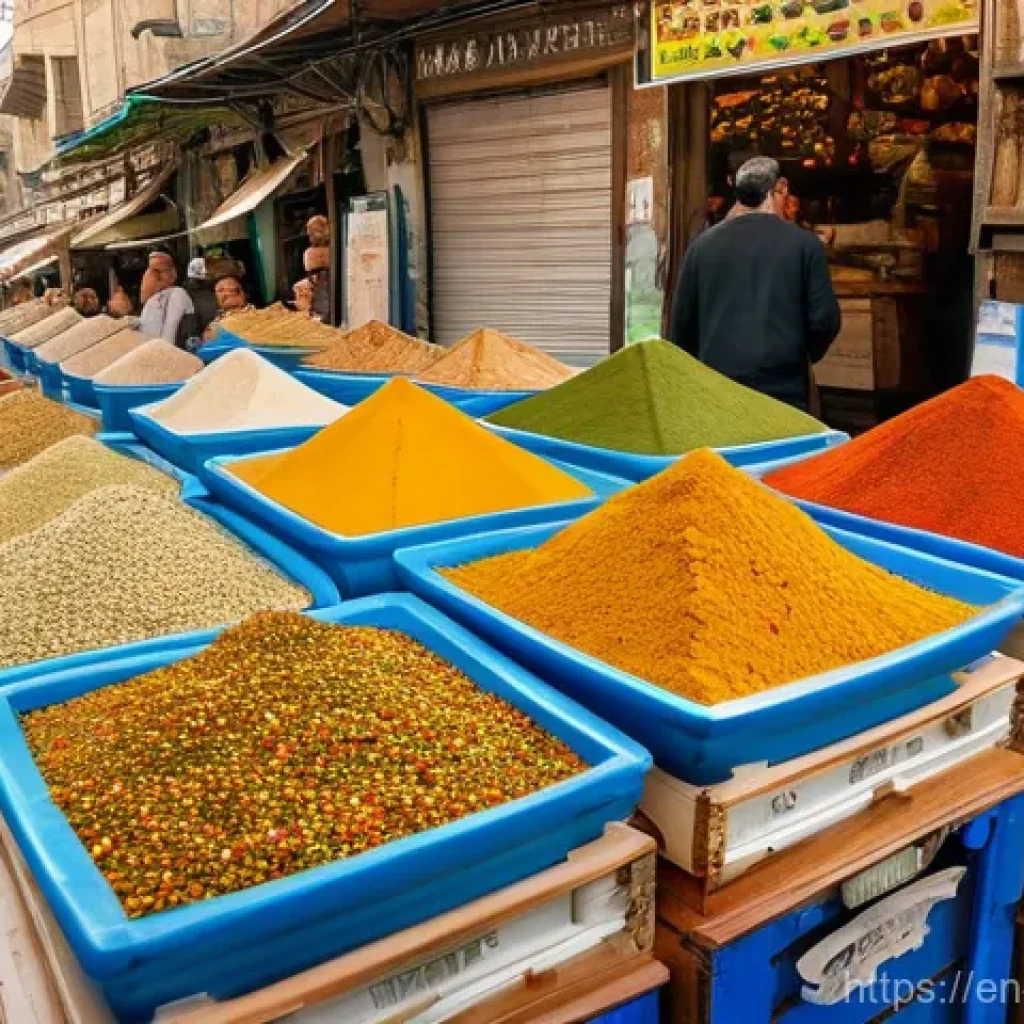
I mean, seriously, the sheer energy that pulses through these places is electrifying! The air is thick with the scent of exotic spices, freshly baked goods, and vibrant produce, all mingling together in a heady aroma that just pulls you deeper into the labyrinthine alleys.
I found myself completely swept away, moving from stall to stall, mesmerized by the colorful displays of fruits, vegetables, and mountains of dried herbs I’d only ever seen in pictures.
What truly struck me was the lively chatter of vendors passionately hawking their wares, their voices echoing through the crowded passages, creating a dynamic soundtrack to the organized chaos.
It’s a place where tradition meets everyday life, where families have run the same stalls for generations, and you can truly feel that history in every transaction, every sample offered.
I felt like I was truly discovering the heartbeat of Israeli culture, one delicious bite and friendly smile at a time. It’s a sensory explosion, and honestly, it’s where I learned that the freshest ingredients are just the beginning of a magnificent meal.
The Sensory Overload of Mahane Yehuda
If there’s one market that absolutely stole my heart, it has to be Mahane Yehuda in Jerusalem. Walking into the “Shuk” for the first time was like stepping into a vibrant, living painting, each stroke a burst of color and sound.
My eyes darted everywhere, trying to take in the towering pyramids of spices, the meticulously arranged displays of olives glistening under the lights, and the endless varieties of fresh bread, still warm from the oven.
I distinctly remember the overwhelming scent of freshly ground coffee competing with the sweet aroma of baklava, creating a fragrant tapestry that was intoxicating.
The vendors, oh, the vendors! They were a spectacle unto themselves, calling out their prices, playfully bantering with customers, and offering tiny samples that were impossible to refuse.
I personally found myself lingering at a spice stall for what felt like ages, learning about the origins and uses of different blends from a passionate shopkeeper who treated his spices like precious jewels.
It felt less like a market and more like a vibrant community hub, a place where stories are exchanged as freely as goods, and every corner held a new surprise waiting to be discovered.
Carmel Market: A Taste of Tel Aviv’s Vibe
Moving from Jerusalem to Tel Aviv, I discovered the Carmel Market, or Shuk Ha’Carmel, which offered a distinctly different, yet equally captivating, energy.
While Mahane Yehuda felt steeped in ancient tradition, Carmel Market pulsed with a more contemporary, bohemian vibe that perfectly mirrors Tel Aviv itself.
Here, alongside the usual array of fresh produce and Middle Eastern staples, I stumbled upon artisan craft stalls, trendy cafes, and street art adorning the walls.
It was fascinating to see how the market seamlessly blended old and new. I devoured some of the freshest pita bread I’ve ever tasted, paired with rich, creamy labneh, and spent a good hour just people-watching from a tiny cafe tucked away in a side alley.
The atmosphere felt more relaxed, a place where locals leisurely shop for their weekly groceries before grabbing a quick lunch or meeting friends for coffee.
It’s a true reflection of Tel Aviv’s youthful spirit and innovative culinary scene, proving that tradition can evolve without losing its soul. It felt like I was truly getting a taste of modern Israeli life, blending the old traditions with new, dynamic flavors.
From Street Eats to Gourmet Feasts: Israel’s Diverse Dining Scene
My journey wasn’t just confined to the bustling markets; Israel’s dining scene, from humble street food stalls to sophisticated fine dining establishments, proved to be an absolute revelation.
I mean, who knew that such a small country could pack such a punch in terms of culinary diversity? It felt like every meal was an adventure, whether I was grabbing a quick, satisfying bite on the go or settling in for a leisurely, multi-course dinner.
I noticed a profound respect for fresh, seasonal ingredients across the board, a common thread that wove through every dining experience, regardless of its formality.
The passion that chefs, both street vendors and Michelin-star hopefuls, put into their food was palpable. It wasn’t just about feeding people; it was about sharing a piece of their heritage, their creativity, and their love for flavors.
This commitment to quality and authenticity really shines through, making even the simplest dishes incredibly memorable. I’ve often felt that sometimes, the most unassuming places hold the biggest culinary treasures, and Israel certainly reinforced that belief for me, time and time again.
My Unforgettable Street Food Discoveries
There’s something truly magical about Israeli street food. It’s quick, it’s often ridiculously affordable, and it’s packed with so much flavor that it’ll make your taste buds sing.
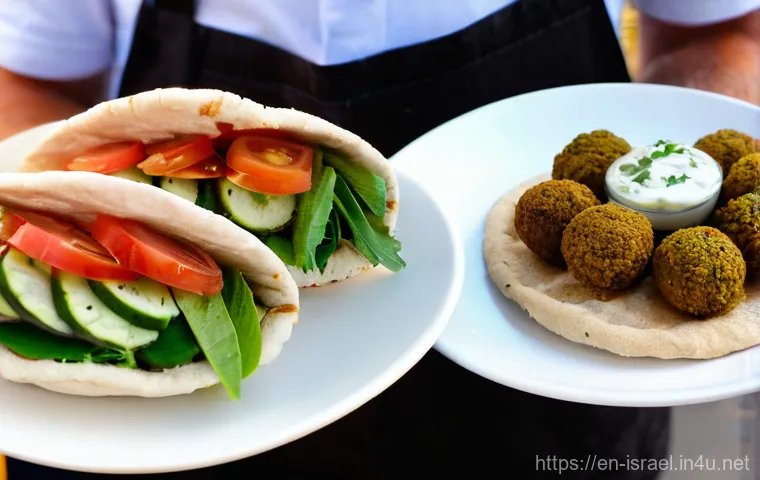
My first encounter with a proper falafel sandwich, bought from a tiny, unassuming stand in Tel Aviv, was an absolute game-changer. Forget any mediocre falafel you’ve had before; this was crispy on the outside, fluffy and herbaceous on the inside, served in a warm, pillowy pita, overflowing with fresh salad, pickled vegetables, and a generous drizzle of tahini.
It was pure perfection, a symphony of textures and tastes that still makes my mouth water just thinking about it. Then there was the sabich, a sandwich I’d never even heard of before my trip.
Fried eggplant, hard-boiled egg, salad, tahini, and a tangy mango pickle called amba, all stuffed into a pita – it sounds unusual, but trust me, it’s an absolute revelation.
I vividly remember standing on a busy street corner, completely engrossed in this delicious creation, the vibrant flavors bursting with every bite. These street eats aren’t just food; they’re an essential part of the cultural experience, a quick, delicious window into the everyday life of Israelis.
Elevated Israeli Cuisine: Fine Dining Surprises
While the street food was undeniably captivating, Israel’s fine dining scene also delivered some truly exquisite surprises. I had the privilege of dining at a few establishments that completely redefined my perception of modern Israeli cuisine, moving far beyond the traditional hummus and falafel, while still honoring those roots.
Chefs here are incredibly innovative, taking classic ingredients and techniques and elevating them with contemporary twists and international influences.
I recall one particular evening in Jerusalem where I sampled a deconstructed knafeh, a traditional sweet cheese pastry, reimagined into a delicate, artful dessert that was as beautiful to look at as it was delicious to eat.
The presentation was impeccable, the service attentive, and the flavors sophisticated and nuanced. It truly showcased the creativity and skill of Israeli chefs, proving that their culinary landscape is dynamic and constantly evolving.
These experiences weren’t just meals; they were culinary journeys, highlighting how tradition can be respectfully innovated to create something truly spectacular and memorable.
The Charm of Local, Family-Run Eateries
Beyond the glitz of fine dining and the bustling energy of street food, I found immense joy in discovering the countless local, family-run eateries scattered throughout Israel.
These are the places where you feel an immediate sense of warmth and genuine hospitality, where the recipes have been passed down through generations, brimming with love and history.
I remember stepping into a small, unassuming restaurant in Jaffa, drawn in by the intoxicating aroma of slow-cooked stews and freshly baked bread. The owner, a sweet elderly woman, greeted me as if I were a long-lost family member, insisting I try a little bit of everything.
The food was hearty, comforting, and utterly delicious – simple dishes prepared with incredible care and the freshest local ingredients. It was here that I truly understood the concept of “eating like a local.” These establishments often become community hubs, places where regulars gather, share stories, and celebrate life over plates of wholesome, home-cooked food.
My experience felt deeply personal, like I was being invited into someone’s home and sharing in their family’s culinary heritage, which is something truly special.
Unearthing Ancient Flavors: Dishes You Absolutely Must Try
If you’re embarking on a culinary adventure through Israel, prepare to have your taste buds awakened by a symphony of ancient and vibrant flavors. This isn’t just about eating; it’s about connecting with centuries of history through dishes that have stood the test of time, evolving with each generation while retaining their soulful essence.
I went in with a list of “must-try” foods, but what truly blew me away was discovering the incredible depth and variety within even the most iconic dishes.
It’s easy to assume you know what hummus tastes like, but trust me, until you’ve had it fresh, warm, and made with love in an Israeli kitchen, you haven’t truly experienced it.
Every region, sometimes even every family, seems to have its own unique twist, a secret ingredient or a special technique that makes their version stand out.
It’s this delightful complexity that makes exploring the local cuisine so incredibly rewarding. I found myself becoming a student of flavors, trying to decipher the subtle notes of spices and herbs, and appreciating the sheer artistry involved in creating dishes that are both deeply comforting and explosively flavorful.
| Dish Name | Description | My Personal Take |
|---|---|---|
| Hummus | Creamy chickpea dip, often served with pita and various toppings. | Forget store-bought! The fresh, warm hummus here is a revelation – especially when it’s drizzled with good olive oil and sprinkled with a bit of paprika. It’s incredibly smooth and utterly addictive. |
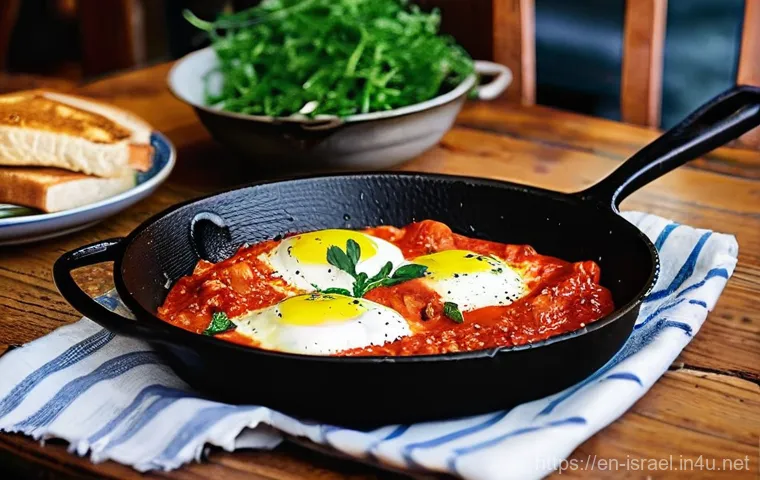
| Shakshuka | Eggs poached in a simmering, rich tomato sauce seasoned with spices. | This is my go-to for breakfast or brunch. The rich, savory sauce, perfectly runny yolks, and a side of crusty bread for dipping make it pure comfort food. Each spoonful is a little piece of heaven. |
| Falafel | Deep-fried balls or patties made from ground chickpeas and herbs. | Crispy on the outside, fluffy and herbaceous on the inside. Served in pita with tahini, salad, and pickles, it’s a quick, satisfying, and unbelievably tasty meal that never disappoints. |
| Sabich | Pita sandwich filled with fried eggplant, hard-boiled egg, tahini, salad, and amba (mango pickle). | This one completely surprised me! The combination of warm, soft eggplant, creamy egg, tangy amba, and fresh vegetables creates an explosion of textures and flavors that is truly unforgettable. |
| Knafeh | Sweet cheese pastry soaked in sugar-based syrup, often topped with pistachios. | Warm, gooey, sweet, and unbelievably delicious. It’s the kind of dessert that makes you close your eyes and savor every single decadent bite. A perfect ending to any meal. |
The Many Faces of Hummus and Falafel
You simply cannot go to Israel without diving headfirst into the world of hummus and falafel. But don’t make the mistake of thinking you’ve tasted them before; what you find here is on an entirely different level.
My personal quest became finding the best hummus in every city, and let me tell you, it’s a delightful challenge! I discovered variations I never knew existed – hummus topped with warm chickpeas, seasoned with cumin and paprika, drizzled with olive oil, or even served with foul (fava beans) or perfectly cooked meat.
The texture, the warmth, the sheer freshness of it all, served with soft, fluffy pita bread, is an experience in itself. As for falafel, it’s a street food staple for a reason.
Each crispy, golden-brown ball is packed with vibrant herbs and spices, and when nestled in a warm pita with a medley of fresh salads, pickles, and tahini, it’s a symphony of flavors and textures.
I ate so much falafel I think I might have temporarily turned into a chickpea, but absolutely no regrets!
Sabich and Shawarma: My Go-To Quick Bites
Beyond the iconic hummus and falafel, two other street food heroes quickly became my absolute favorites for a quick, satisfying meal: sabich and shawarma.
Sabich, as I mentioned, was a complete revelation. The first time I tried it, I was a bit skeptical about fried eggplant and hard-boiled egg in a pita, but one bite changed everything.
The soft, savory eggplant, the creamy richness of the egg, the fresh crunch of salad, and that distinctive, tangy amba sauce – it’s a combination that just works on so many levels.
It’s hearty, flavorful, and incredibly unique. Then there’s shawarma, a dish many of us are familiar with, but again, the Israeli version stands out. The thinly sliced, seasoned meat (often turkey, chicken, or lamb), slow-roasted on a vertical spit, is unbelievably tender and flavorful.
Served in a laffa (a thin, flatbread) or pita, loaded with a variety of salads, pickles, and plenty of tahini, it’s a messy, glorious feast. I learned that the secret is often in the precise blend of spices and the perfect char on the meat.
These two became my reliable quick lunch options, always delivering a burst of authentic Israeli flavor.
Savoring Shakshuka and Malawach
When it came to breakfast or brunch, shakshuka became my absolute obsession. This vibrant dish of eggs poached in a rich, simmering tomato sauce, usually spiced with cumin, paprika, and chili, is incredibly comforting and satisfying.
I had it almost every morning, sometimes with a sprinkle of feta cheese or fresh herbs, and each time it was a warm embrace. The best part is scooping up that flavorful sauce with crusty bread, ensuring not a single drop goes to waste.
It’s hearty, healthy, and the perfect way to kickstart a day of exploration. Another delightful discovery was malawach, a flaky, pan-fried bread, often served with a hard-boiled egg, spicy tomato dip (skhug), and grated tomato.
It’s wonderfully crispy on the outside and soft on the inside, a unique texture that’s incredibly addictive. I remember enjoying malawach for a late breakfast one day, sitting at a small cafe, and feeling completely content as I tore off pieces of the warm bread to dip into the spicy, fresh sauces.
These dishes really highlight the ingenuity and comforting nature of Israeli home cooking, transforming simple ingredients into something truly extraordinary.
Sweet Surrender and Aromatic Brews: Israeli Desserts and Drinks
After indulging in all the savory delights Israel has to offer, I always look forward to the sweet endings and the ritualistic sips of their unique beverages.
It’s like the perfect crescendo to a culinary symphony, where flavors transition from bold and spicy to delicately sweet and wonderfully aromatic. I’ve always had a soft spot for desserts, and Israel certainly did not disappoint, presenting a fascinating array of pastries and sweets that tell their own stories of cultural fusion and ancient traditions.
The commitment to fresh, quality ingredients extends to their desserts as well, with nuts, dates, and fragrant spices playing starring roles. And when it comes to drinks, the simple pleasure of an Israeli coffee or a refreshing mint tea is something truly special, often marking moments of quiet reflection or lively conversation.
It feels like every sip and every bite is designed to be savored, a pause in the day to simply enjoy the moment. For me, these sweet and liquid delights weren’t just additions to a meal; they were integral parts of the entire gastronomic experience, leaving a lingering warmth and satisfaction.
Indulging in Knafeh and Baklava Delights
When it comes to desserts, knafeh quickly became my absolute weakness. Imagine a warm, gooey, sweet cheese pastry, soaked in a fragrant sugar syrup, often topped with crushed pistachios for a bit of crunch.
The first time I tried it, fresh out of a sizzling pan in the Old City of Jerusalem, it was an otherworldly experience. The cheese stretched delightfully, the pastry was perfectly crisp, and the sweetness was balanced by the subtle saltiness of the cheese.
It’s a dessert that’s meant to be eaten immediately, hot and fresh, and I honestly can’t think of a better way to experience it. And then, of course, there’s baklava, another Middle Eastern classic that truly shines in Israel.
These delicate, flaky layers of phyllo pastry, brimming with chopped nuts (often pistachios or walnuts) and drenched in honey or syrup, are simply divine.
I sampled countless variations, from tiny, bite-sized squares to elaborate, intricately shaped pieces, each one a testament to the baker’s skill and the rich culinary heritage.
They’re perfectly sweet without being cloying, and their satisfying crunch is utterly addictive.
Date Sweets and Unique Pastries
Beyond the more famous knafeh and baklava, Israel’s pastry shops and markets are brimming with a delightful assortment of unique sweets, many of which spotlight the humble, yet incredibly versatile, date.
I was fascinated by the sheer creativity applied to this ancient fruit. I tried soft, chewy date cookies, often spiced with cardamom, that were perfect with a cup of coffee.
There were also various date-filled pastries, some resembling miniature turnovers, others more like dense, sweet cakes, all bursting with the rich, caramel-like flavor of dates.
It really made me appreciate how a seemingly simple ingredient can be transformed into so many different delicious forms. I also discovered a range of other fascinating pastries, like rugelach – small, crescent-shaped rolls filled with chocolate, nuts, or jam – which felt like a delightful nod to European influences blended seamlessly with local flavors.
These smaller, often bite-sized treats are perfect for grabbing on the go or for enjoying as a sweet accompaniment to a conversation with friends.
The Ritual of Israeli Coffee and Mint Tea
No culinary journey through Israel would be complete without experiencing the country’s distinct coffee culture and its refreshing take on tea. Israeli coffee, often served Turkish-style, is a strong, dark, and intensely aromatic brew.
It’s not just a drink; it’s a ritual. I loved sitting at a cafe, watching the thick, dark liquid being poured into small cups, allowing the grounds to settle, and then slowly savoring the robust, invigorating flavor.
It’s the kind of coffee that wakes you up and grounds you at the same time, perfect for long conversations or simply observing the vibrant street life.
And when it came to tea, the ubiquity of fresh mint tea, or “Nana tea,” was a pleasant surprise. Served hot, often with generous sprigs of fresh mint leaves, it’s incredibly refreshing and wonderfully aromatic.
Whether enjoyed after a meal to aid digestion or simply as a comforting beverage on a cooler evening, it’s a delightful palate cleanser and a warm, inviting gesture of hospitality.
I often found myself reaching for a glass of Nana tea, appreciating its soothing qualities and its clean, crisp taste.
Bringing the Flavors Home: Culinary Souvenirs and Spice Secrets
One of the most exciting parts of any food-focused trip, for me, is figuring out how to recreate those incredible flavors once I’m back in my own kitchen.
And with Israel, I knew I couldn’t leave without a suitcase full of culinary treasures! The markets, which had initially been a feast for the eyes and palate, quickly transformed into prime hunting grounds for the perfect spices, oils, and other ingredients to bring a piece of Israel home with me.
I spent hours poring over stalls, inhaling the intoxicating aromas, and chatting with vendors about the best blends and the most authentic products. It felt like I was collecting not just ingredients, but also stories and culinary wisdom, which made each purchase feel incredibly special.
My goal was to equip my pantry with enough authentic Israeli staples to keep the flavors of my trip alive long after my return, and I truly felt like I was embarking on a delicious mission to extend my travel experience indefinitely.
It’s a fantastic way to keep the memories fresh and to share a bit of your adventures with friends and family through food.
Stocking Up on Za’atar and Sumac
If there are two spices that absolutely scream “Israel” to me, it’s za’atar and sumac. I made sure to stock up generously on both. Za’atar, with its earthy, herbaceous, and slightly tangy flavor profile (a blend of dried thyme, oregano, marjoram, toasted sesame seeds, and sumac), became an instant favorite.
I loved sprinkling it over labneh, drizzling it with olive oil over fresh pita, and even using it to season roasted vegetables. The versions I found in the markets were so much fresher and more vibrant than anything I’d ever tasted back home.
And sumac, that beautiful, deep red spice with its distinctive tangy, lemony flavor, became another essential. I used it to brighten up salads, season grilled meats, and even sprinkle over hummus for an extra pop of color and taste.
The vendors were incredibly helpful, guiding me to the freshest batches and even sharing tips on how to best incorporate them into my cooking. I felt like I was uncovering secret ingredients that would instantly elevate my home-cooked meals to a whole new level of Middle Eastern deliciousness.
Olive Oil and Tahini: My Kitchen Staples
Beyond the spices, two other foundational ingredients that I knew I had to bring back were high-quality Israeli olive oil and tahini. Israeli olive oil is just exceptional – robust, fruity, and with a beautiful peppery finish that adds so much depth to any dish.
I picked up a beautifully bottled artisan olive oil, knowing it would become a cherished addition to my pantry, perfect for dressings, dipping bread, or simply finishing a dish with a touch of Mediterranean sunshine.
And tahini, oh, tahini! It’s such a staple in Israeli cuisine, and the quality here is unparalleled. I found rich, creamy tahini made from roasted sesame seeds, with a silky smooth texture and a deeply nutty flavor that’s miles apart from what you typically find elsewhere.
It’s not just for hummus; I learned to use it in dressings, sauces, and even sweet applications. These two ingredients, more than any others, form the backbone of so much Israeli cooking, and having them in my kitchen allows me to infuse my everyday meals with that authentic Middle Eastern essence that I fell so deeply in love with during my travels.
Learning to Recreate Israeli Magic
Bringing home the ingredients was just the first step; the real magic lies in learning how to use them to recreate those unforgettable Israeli flavors.
I spent a lot of time observing, asking questions, and even taking a short cooking class during my trip to pick up some local techniques. I learned about the importance of fresh herbs, the balance of sweet and savory, and the art of combining textures.
Recreating a perfect shakshuka at home, with eggs just perfectly runny in a rich, spicy tomato sauce, or making a batch of creamy, homemade hummus that rivals the shuk versions, has been an incredibly rewarding experience.
It’s not just about following a recipe; it’s about understanding the spirit of the cuisine, the warmth of Israeli hospitality, and the joy of sharing good food.
Every time I cook with these ingredients, the aromas transport me back to those bustling markets and charming eateries, allowing me to relive a small piece of my incredible culinary adventure in Israel.
It’s a delicious form of travel souvenir that keeps on giving.
The Heartbeat of the Table: Food as a Cultural Narrative
More than just sustenance, food in Israel is a powerful storyteller, a vibrant narrative that weaves together history, faith, community, and the sheer joy of human connection.
What I truly discovered on this trip was that every meal, every shared plate, carries with it a deeper meaning, echoing centuries of tradition and reflecting the dynamic, evolving tapestry of Israeli society.
It’s not just about what you eat, but how you eat it, who you share it with, and the stories that unfold around the table. I felt a profound sense of cultural immersion that went beyond mere sightseeing; it was an active participation in the living, breathing traditions of a people deeply connected to their culinary heritage.
The way food is prepared, served, and enjoyed speaks volumes about family values, community bonds, and the rhythm of daily life. It was a beautiful reminder that food is one of the most universal languages, capable of bridging gaps and fostering understanding, and I honestly felt more connected to the local culture through its food than any other aspect of my visit.
Sharing Meals: The Essence of Israeli Hospitality
One of the most striking aspects of my culinary journey was experiencing the incredibly warm and generous hospitality that revolves around sharing meals in Israel.
It wasn’t uncommon to be offered a taste of something delicious by a vendor, or to be invited to share a small snack by someone I’d just met. The act of breaking bread together, often literally with fresh pita, felt like an unspoken invitation into a deeper connection.
I particularly remember a lunch at a small, unassuming restaurant where the owner, after realizing I was a visitor, brought out an extra plate of pickles and a small bowl of olives “just for me,” refusing payment for them.
It was a simple gesture, but it spoke volumes about the culture of generosity and the desire to make guests feel welcome and nourished. Sharing food felt like the ultimate expression of community and friendship, fostering conversations and laughter that transcended language barriers.
It’s a beautiful tradition that makes you feel instantly at home, no matter how far you’ve traveled.
Festive Feasts and Shabbat Traditions
Observing the traditions surrounding festive feasts and Shabbat meals offered a truly insightful glimpse into the heart of Israeli culture and the central role food plays in religious and communal life.
Even though I wasn’t part of a family setting for a full Shabbat dinner, I could feel the anticipation and the special atmosphere that permeated the cities as Friday evening approached.
The markets were bustling on Friday mornings as people stocked up on ingredients for their elaborate Shabbat meals – challah bread, slow-cooked stews like hamin or chulent, and a myriad of salads and side dishes.
It’s a time of peace and togetherness, where families gather to share traditional foods, reflect, and enjoy each other’s company. I made sure to try some traditional Shabbat dishes in restaurants that offered them on Fridays, and the rich, comforting flavors felt incredibly soulful, carrying with them centuries of history and meaning.
These meals aren’t just about eating; they are profound expressions of faith, family, and cultural identity, cementing bonds and passing down heritage through delicious, time-honored recipes.
Food as a Bridge: Connecting Through Cuisine
What truly resonated with me on this culinary exploration was how food serves as an incredible bridge, connecting people across different backgrounds and fostering a sense of shared humanity.
In a region often characterized by complexities, I found that around the dining table, or even at a bustling market stall, conversations flowed freely, smiles were exchanged, and a common appreciation for good food created instant camaraderie.
I witnessed people from all walks of life, speaking different languages, sharing a common bond over a plate of hummus or a cup of coffee. It felt like food had a unique power to transcend differences, offering a common ground where cultural exchange happened organically and joyfully.
My personal interactions with vendors, fellow diners, and local chefs taught me more about the nuances of Israeli culture and its diverse communities than any textbook ever could.
It’s a beautiful testament to the idea that delicious food, prepared with passion and shared with kindness, truly has the power to unite and enrich our understanding of the world and each other.
글을 마치며
My culinary adventure through Israel truly opened my eyes, and my heart, to a world far richer than I could have imagined. It wasn’t just about the incredible food, though my taste buds certainly had a wild ride!
It was about the stories woven into every dish, the warmth of the people, and the vibrant tapestry of a culture that expresses so much of itself through its cuisine.
I truly felt that each bite was a connection to history, a celebration of community, and a testament to the enduring power of food to bring us all closer.
This journey wasn’t just a trip; it was a sensory immersion, leaving me with not only amazing recipes but also a profound appreciation for the human spirit that shines so brightly around every Israeli table.
알아두면 쓸모 있는 정보
1. Don’t be shy to haggle a bit in the markets, especially for non-food items like spices or souvenirs. It’s part of the cultural experience and can be a really fun way to interact with the vendors. I often found myself engaging in friendly banter, and while you might not always get a huge discount, the interaction itself is priceless. Just remember to always be polite and respectful; it’s more about the give-and-take of a good conversation than about aggressive bargaining. For fresh produce or prepared foods, prices are generally fixed, but for unique crafts or larger spice purchases, a gentle negotiation can often lead to a happy medium and a more memorable shopping experience. I’ve learned that a warm smile and a few words of Hebrew can go a long way in establishing that connection!
2. Embrace the street food scene with an open mind and an adventurous palate. Some of the most authentic and delicious meals I had were from small, unassuming stalls with long lines of locals – always a good sign! Don’t just stick to falafel and shawarma (though they are incredible); venture out and try sabich, burekas, or even some of the local sweet pastries like malawach. The vibrant energy of a bustling market, with the aromas of freshly cooked food wafting through the air, is an experience in itself. My personal rule of thumb is to look for places that are busy and have visible, fresh ingredients. The turnover ensures freshness, and the popularity speaks volumes about the quality. Trust me, these quick bites are often where the true magic of Israeli cuisine reveals itself.
3. Navigating dietary restrictions in Israel is surprisingly easy, thanks to the country’s diverse culinary landscape and the prevalence of kosher eating. Many restaurants are kosher, meaning they separate meat and dairy, and there’s a strong emphasis on fresh, vegetarian-friendly produce. You’ll find an abundance of delicious vegan and vegetarian options, from hummus and falafel to vibrant salads and roasted vegetables, practically everywhere you go. If you have specific needs, don’t hesitate to ask; Israelis are generally very accommodating and proud of their fresh ingredients. I was particularly impressed by how many places had clear labeling or were happy to explain ingredients, making it simple to find something delicious and suitable, no matter your dietary preferences.
4. While credit cards are widely accepted in most stores and larger restaurants, having some Israeli New Shekels (NIS) in cash is always a good idea, especially for market stalls and smaller street food vendors. Many of these smaller establishments might prefer cash, or their card machines might be a bit temperamental. Plus, using cash can sometimes make transactions quicker in a busy market. ATMs are readily available in most cities and towns, so you can easily withdraw local currency. I found that keeping smaller denominations on hand was particularly useful for quick purchases like a fresh juice or a small pastry, saving me the hassle of waiting for change or a card transaction. It simply smooths out the everyday rhythm of market exploration.
5. Be mindful of Shabbat when planning your weekend culinary adventures. From Friday sundown to Saturday sundown, many businesses, including kosher restaurants and shops, close down to observe the Sabbath. This can significantly impact your dining options, especially outside of major cities like Tel Aviv, which tends to have more non-kosher or secular establishments open. It’s wise to plan your Friday dinner and Saturday meals in advance, perhaps by stocking up on groceries on Friday morning, or by researching restaurants that are known to be open. I learned this the hard way on my first trip, and now I always make sure to have my Shabbat food plan sorted to avoid any hunger pangs. It’s a unique aspect of Israeli life that truly shapes the rhythm of the week.
중요 사항 정리
My journey through Israel’s food scene was more than just a series of meals; it was an intimate exploration of culture, history, and human connection.
From the vibrant chaos of the markets to the soulful comfort of a family-run eatery, every experience reinforced that Israeli cuisine is a powerful narrative of its people.
The incredible diversity, the unwavering commitment to fresh ingredients, and the pervasive spirit of hospitality truly make it a destination unlike any other.
It’s a place where every dish tells a story, every bite builds a bridge, and every flavor leaves an indelible mark on your heart and your palate.
Frequently Asked Questions (FAQ) 📖
Q: So, you mentioned “unexpected flavors” and a “dynamic, modern twist.” What was one dish or experience that truly blew your mind and made you rethink what Israeli food is all about?
A: Oh, absolutely! If I had to pick just one thing that truly surprised me and totally redefined my understanding, it wasn’t just a dish, but an experience around it: the incredible variety and artistry of hummus and falafel, especially in places you wouldn’t expect.
I mean, we all think we know hummus, right? But the moment I tasted a sabich, which is essentially a pita sandwich stuffed with fried eggplant, hard-boiled eggs, Israeli salad, tahini, and amba (a tangy mango pickle), I realized I’d been missing out on a whole world.
It was a symphony of textures and flavors—creamy, crunchy, tangy, savory, all in one bite. What made it even more special was finding a tiny, unassuming stand in a small alleyway in Jaffa, where the elderly owner had been making it the same way for generations.
You could just taste the history and love in every single ingredient. It wasn’t just food; it was a story in a pita, and it instantly became my go-to street food obsession.
Trust me, it’s not just a chickpea paste; it’s an entire culinary philosophy waiting to be discovered!
Q: You talked about stumbling upon “hidden culinary gems” and “charming local eateries.” For someone planning their first trip, how on earth do you find those authentic spots without falling into tourist traps? What’s your secret?
A: That’s the million-dollar question, isn’t it? And honestly, it boils down to two things: curiosity and courage. My biggest secret is to wander.
Seriously, walk off the main drag. Those bustling pedestrian streets are great for people-watching, but the real magic often happens just one or two streets back, in the quieter alleys.
I always keep an eye out for places packed with locals, especially during lunch or dinner hours. If you see families, older folks, or even just a long queue of people speaking Hebrew, you’re probably onto something good.
Don’t be afraid to peek inside, and if you can, just ask someone! A simple “What’s good here?” or “Where’s your favorite place to eat around here?” can lead to the most incredible discoveries.
I personally loved striking up conversations with vendors in the shuks; they are often the best guides to the hidden gems in their neighborhood. Sometimes, the best advice comes from the person selling you spices – they know all the best spots!
Q: Israeli cuisine sounds incredibly diverse. How would you describe its unique identity compared to other Middle Eastern cuisines, and how do you feel it reflects the country’s rich history and culture?
A: That’s a fantastic question, and it really gets to the heart of why this culinary journey was so impactful for me. While Israeli cuisine shares many foundational elements with its Middle Eastern neighbors – the fresh herbs, the incredible tahini, the vibrant spices – its true uniqueness, in my opinion, lies in its melting pot identity.
Imagine a culinary mosaic where every wave of immigration has added its own distinct flavor, technique, and ingredient. You’ll find the robust, slow-cooked stews and tagines from North African Jewish communities, the delicate pastries and sophisticated spice blends from Persian and Iraqi traditions, the comforting Ashkenazi dishes from Eastern Europe, and the fresh, Mediterranean influences from Greece and Turkey.
This fusion creates something truly distinct. It’s not just about a dish; it’s about a narrative. Every bite tells a story of diaspora, adaptation, and integration.
It’s a cuisine that feels both ancient and incredibly modern, constantly evolving while holding onto its roots. For me, it truly reflects Israel’s dynamic history and its incredible blend of cultures, all coming together on one delicious plate.