You know, when I first thought about Israel, my mind immediately went to its incredible history and vibrant cities. But let me tell you, I quickly discovered a whole other side that absolutely blew me away!
This country is an unexpected treasure trove of natural wonders, and exploring its breathtaking nature reserves and embracing ecotourism has become one of my absolute favorite travel trends.
From the moment I first snorkeled in the crystal-clear waters of Eilat, marveling at the vibrant coral reefs, I just knew this was something truly special.
The sheer diversity, from the serene beauty of the Galilee to the stark majesty of the Negev Desert with its innovative eco-lodges, truly showcases Israel’s growing dedication to preserving its unique landscapes for all of us to enjoy responsibly.
They’re really stepping up their game with sustainable practices and incredible conservation efforts, making it a dream for conscious travelers like us.
It’s an exciting time to discover these hidden gems and support their vision for the future. Are you ready to dive deeper into this fascinating world with me?
Let’s explore exactly what makes Israel’s ecotourism scene so captivating and why you absolutely need to add it to your travel wishlist!
Exploring the Emerald Jewels of the Galilee
You know, when I first started dreaming up my trip to Israel, I totally pictured ancient ruins and bustling markets, which, don’t get me wrong, are absolutely incredible. But then I stumbled upon the Galilee region, and seriously, my jaw dropped. It’s this lush, vibrant part of the country that feels like a completely different world. The greenery is astounding, especially after you’ve spent some time in the more arid zones. I remember driving through rolling hills covered in olive groves and vineyards, with little villages dotted here and there – it was just postcard-perfect. The air felt cleaner, and there was this sense of calm that just washed over me. It’s a place where history intertwines with breathtaking natural beauty, offering experiences that really ground you. I found myself slowing down, taking deeper breaths, and just truly soaking in the serene environment. It’s not just a pretty face though; the Galilee is a hub for some fantastic ecotourism initiatives, making it a perfect spot for those of us who want to explore responsibly and connect with nature on a deeper level. From crystal-clear springs to ancient forests, this region truly holds some of Israel’s most precious natural treasures, and I genuinely believe it’s a must-see for anyone looking for that ‘off the beaten path’ kind of adventure. The contrasts between the historical sites and the untamed landscapes are just mesmerizing, offering a unique blend that you won’t find just anywhere. It’s a testament to how diverse and rich Israel’s natural heritage truly is, a real unexpected delight for any traveler.
Kayaking Through History: The Jordan River’s Gentle Embrace
One of my absolute favorite memories from the Galilee was kayaking down the Jordan River. Forget what you think you know about this iconic waterway; in the north, it’s a calm, meandering river, perfect for a gentle paddle. I went with a local guide who shared so many fascinating stories about the river’s historical significance, all while we glided past reeds and under ancient-looking trees. It wasn’t just a fun activity; it felt like I was literally paddling through history. The water was surprisingly clear, and the sounds of nature were just incredible – birds chirping, the gentle splash of our paddles. There are several spots along the river where you can rent kayaks, and many of them are deeply committed to sustainable tourism, ensuring that the river’s ecosystem remains undisturbed. They’re super careful about waste management and keeping their operations as eco-friendly as possible, which I totally appreciated. You can opt for a short, relaxing float or a longer adventure, and honestly, every moment was pure bliss. It’s such a refreshing way to spend an afternoon, and it offers a completely different perspective of the landscape. Trust me, if you’re looking for a peaceful yet engaging outdoor activity, kayaking the Upper Jordan is an experience you absolutely shouldn’t miss. It’s a gentle adventure that connects you directly with the heart of this region’s natural and historical narrative. The feeling of the cool water, the dappled sunlight through the trees, and the quiet serenity made it an unforgettable part of my journey. It’s truly a world away from the hustle and bustle, allowing you to simply exist in the moment, completely surrounded by nature’s soothing embrace.
Hula Valley: A Birder’s Paradise Rediscovered
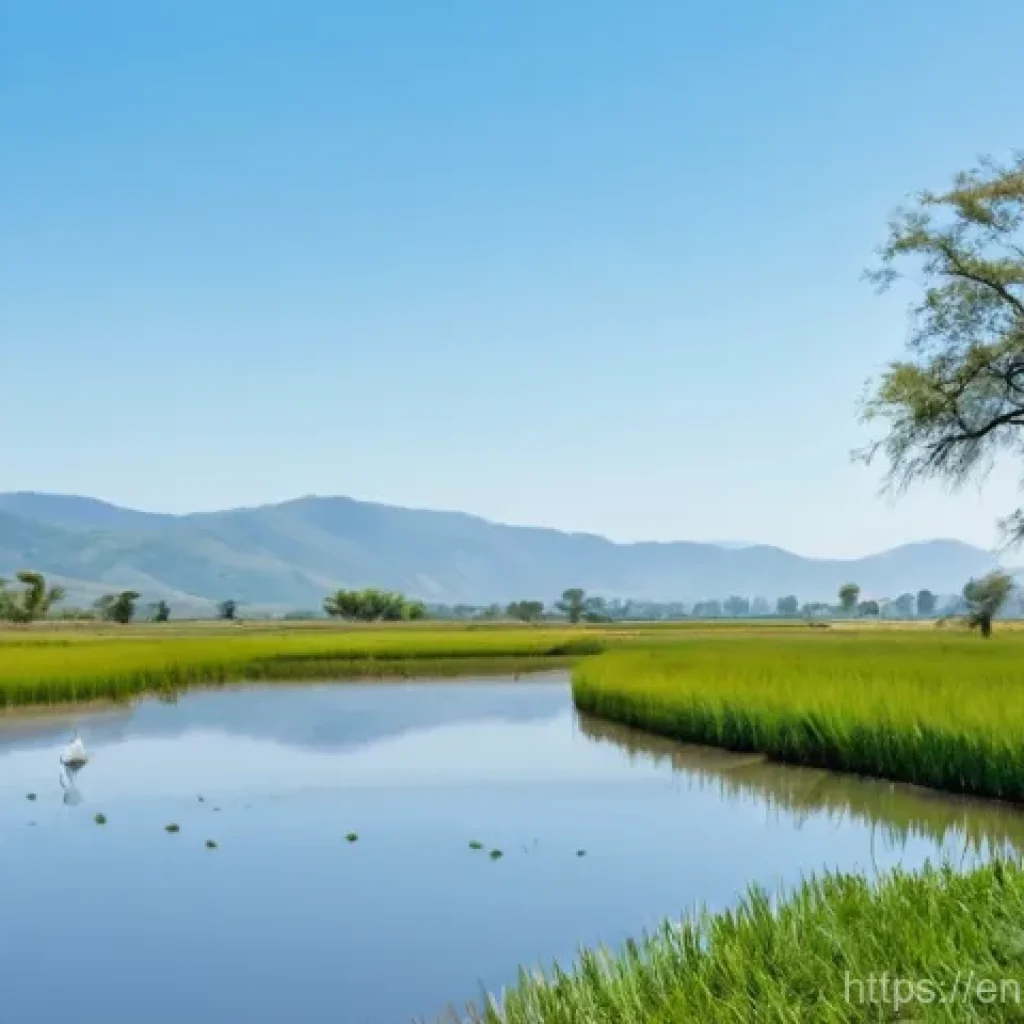
And then there’s the Hula Valley, oh my goodness. Before my trip, I’d heard snippets about it being a bird migration hotspot, but experiencing it firsthand was something else entirely. It’s a testament to incredible conservation efforts. This valley, which was once a malarial swamp drained in the 1950s, has been painstakingly restored into a vital wetland, and the results are truly spectacular. Millions of migratory birds pass through here twice a year, and when I visited during the migration season, it was just breathtaking. Cranes, pelicans, storks – the sky was literally alive with them! I rented a bike and cycled along the designated paths, stopping at observation points to watch these magnificent creatures up close. They even offer special “safari” tours in electric vehicles to minimize disturbance, which I thought was brilliant. It’s not just for serious birdwatchers; anyone with an appreciation for nature will be utterly captivated. The sheer scale of the birdlife is mind-boggling, and the commitment to preserving this crucial ecosystem is truly inspiring. The interpretive center there does an amazing job of explaining the history and ongoing efforts. It’s a fantastic example of how humanity can rectify past mistakes and create thriving natural habitats. I remember just sitting there, watching thousands of cranes take flight, and feeling this profound sense of wonder and hope. It’s a powerful reminder of nature’s resilience and the importance of our stewardship. You really feel a part of something bigger when you’re there, witnessing this ancient journey of life. The tranquility, combined with the vibrant activity of the birds, creates an almost spiritual experience that stays with you long after you leave, making it a truly unique encounter with the wild.
Desert Wonders and Red Sea Revelations
Okay, so from the lush green of the Galilee, you pivot south, and Israel’s landscape completely transforms into something utterly majestic: the Negev Desert. And let me tell you, it’s not just sand! My preconceptions were totally shattered. This isn’t just a barren expanse; it’s a living, breathing, vibrant ecosystem teeming with unique life and geological formations that will blow your mind. I’ve always been drawn to dramatic landscapes, and the Negev did not disappoint. The sheer scale and ancient beauty of it left me speechless more than once. And then, at its southern tip, you have Eilat, a dazzling oasis on the Red Sea, offering a completely different kind of natural wonder. The contrast between the stark, powerful desert and the kaleidoscopic underwater world of the Red Sea is just phenomenal. It’s like experiencing two different planets within a few hours’ drive! I particularly loved how many of the desert experiences are designed to be low-impact, focusing on appreciating the delicate balance of this harsh environment. It’s a place that truly encourages you to slow down, look closely, and marvel at the incredible adaptations of life. From silent stargazing to vibrant coral gardens, this southern stretch of Israel offers an incredible journey for the ecoconscious traveler, presenting a spectrum of natural beauty that’s both humbling and exhilarating. You just have to experience it to understand the magic.
From Canyons to Canyons: Trekking the Negev’s Majesty
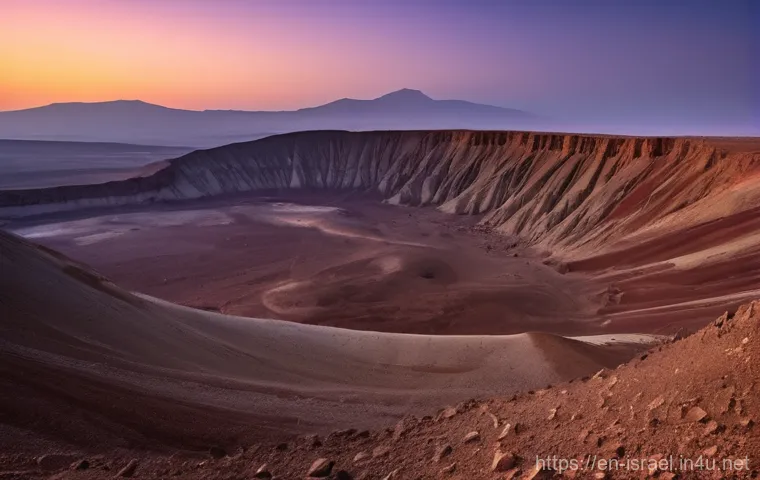
My desert adventure began with trekking through some of the Negev’s incredible wadis and canyons. I mean, the landscapes here are straight out of a sci-fi movie! The Ramon Crater, or Makhtesh Ramon, is the largest erosion crater in the world, and hiking along its rim at sunrise was an absolutely unforgettable experience. The colors of the rock formations shifted with the light, from deep reds to purples, and the silence was profound – broken only by the occasional rustle of a lizard. It felt like walking on another planet. I joined a guided tour, which I highly recommend, because the guides are not only super knowledgeable about the geology but also about the desert’s unique flora and fauna, many of which are endemic. They emphasize leaving no trace, making sure visitors understand the fragility of this environment. We spotted ibex gracefully navigating the cliffs and learned about ingenious ancient water harvesting techniques. It truly deepened my appreciation for the ingenuity of life in such extreme conditions. There are trails for all levels, from easy walks to challenging multi-day treks, and each one offers a unique perspective on this incredible natural wonder. The night sky out there, far from any light pollution, is also something you absolutely have to experience. Stargazing in the Negev is simply magical; you feel so connected to the vastness of the universe. It’s a raw, powerful encounter with nature that really puts things into perspective.
Eilat’s Underwater Kingdom: A Coral Reef Extravaganza
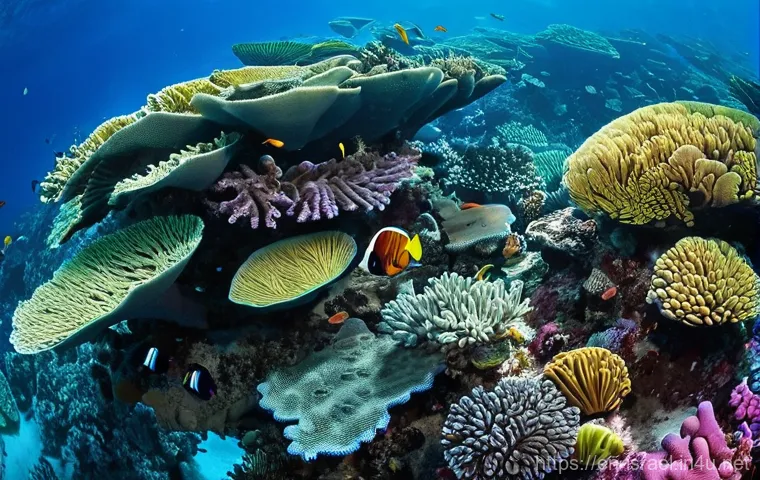
And then, after the dust and majesty of the desert, came the dazzling blue of the Red Sea in Eilat. Oh, what a contrast! My first time snorkeling there was nothing short of an epiphany. The moment I dipped my face into the water, I was completely transported. It was like swimming in a giant, living aquarium. The coral reefs are just bursting with color – vibrant blues, fiery oranges, soft purples – and teeming with an incredible diversity of fish. Parrotfish, angelfish, clownfish, all swimming around, completely unbothered by my presence. It’s truly one of the most accessible and stunning coral reefs I’ve ever seen, and the visibility is usually crystal clear. There are several dedicated nature reserves right off the coast, like the Coral Beach Nature Reserve, where conservation is a top priority. They’ve got strict rules to protect the delicate ecosystem, which I think is fantastic – no touching the coral, no feeding the fish, and always staying on designated paths. You can also try diving if you’re certified, or even take a glass-bottom boat tour to see the wonders without getting wet. But honestly, even just snorkeling felt like I was part of a secret, magical world. The warmth of the water, the gentle currents, and the sheer beauty of it all made it an utterly serene and exhilarating experience. It’s a precious natural heritage, and seeing how dedicated they are to preserving it makes the experience even more special. It truly highlights the incredible natural diversity Israel offers, from arid landscapes to vibrant marine ecosystems.
Treading Lightly: Israel’s Sustainable Footprint
You know, for a country that often gets spotlighted for other reasons, Israel’s commitment to ecotourism and sustainable practices is seriously impressive and something I’m incredibly passionate about. It’s not just talk; you can see it in action across the country, from innovative water conservation projects in the desert to community-led initiatives in rural villages. What truly stood out to me was how they’ve managed to integrate eco-conscious choices into the travel experience without sacrificing comfort or adventure. It’s all about making sure that our visits leave a positive impact, or at the very least, a minimal one, on these beautiful places we’re so lucky to explore. I’ve found that this approach deeply enriches the travel experience because you’re not just seeing sights; you’re engaging with a philosophy, a way of life that respects and protects the environment. From my conversations with local guides and eco-lodge owners, it’s clear there’s a genuine passion for preserving Israel’s unique natural heritage for future generations. This focus on sustainability extends to everything from how energy is sourced to how waste is managed, truly making a difference. It’s a refreshing shift that empowers travelers to make responsible choices, knowing their dollars are supporting efforts that actively contribute to conservation and community well-being. This responsible tourism movement is gaining serious traction, and Israel is absolutely at the forefront, offering a fantastic blueprint for mindful exploration.
Eco-Lodges and Green Hospitality: Where Comfort Meets Conscience
During my travels, I made it a point to seek out eco-lodges, and let me tell you, Israel has some gems! These aren’t just places to sleep; they’re experiences in themselves, designed with sustainability at their core. I stayed at a fantastic place in the Negev that was built using local, natural materials, and they even harvested rainwater for their gardens. The rooms were simple but incredibly comfortable, and the view of the desert landscape from my window was just breathtaking, especially at sunrise. What I loved most was the intentionality behind everything – from solar panels providing electricity to composting toilets and locally sourced, organic food. It felt good knowing my stay was contributing to their efforts to minimize environmental impact. These lodges often partner with local communities, providing jobs and supporting regional economies, which is such a win-win. Plus, they often offer unique activities like guided nature walks, stargazing sessions, or workshops on desert survival, all led by incredibly knowledgeable local experts. It’s a wonderful way to immerse yourself in the natural surroundings while knowing you’re making a responsible choice. They prove that you don’t have to sacrifice comfort or adventure to be an eco-conscious traveler. In fact, I found that these stays often felt more authentic and memorable precisely because of their sustainable ethos. It’s about a different kind of luxury – the luxury of knowing you’re traveling with purpose.
Community-Led Conservation: Protecting Tomorrow, Today
What truly warmed my heart was seeing how local communities are often at the forefront of conservation efforts. It’s not just top-down initiatives; it’s people living in these areas taking ownership and working tirelessly to protect their natural surroundings. I had the privilege of visiting a small Bedouin village near the Ramon Crater where they are actively involved in maintaining traditional desert ecosystems and educating visitors about sustainable living in the desert. They share their ancient knowledge about medicinal plants and animal tracking, inviting travelers to learn directly from their way of life. This kind of community involvement is crucial because it creates a direct link between tourism and tangible conservation outcomes, ensuring that the benefits flow back to the people who are living closest to nature. It also creates a more authentic and enriching experience for travelers, moving beyond just observation to genuine interaction and learning. I also learned about projects focused on protecting specific endangered species, like the Arabian Leopard, where local residents play a key role in monitoring and habitat preservation. This grassroots approach fosters a deeper sense of responsibility and connection, making the conservation efforts far more effective and sustainable in the long run. It’s inspiring to see how these communities are not just preserving nature but also their own unique cultural heritage alongside it, offering a truly holistic and meaningful experience for anyone keen to explore with respect and an open mind.
Here’s a quick overview of some incredible eco-friendly spots in Israel:
| Location/Reserve | Region | Key Eco-Activities | Sustainable Focus |
|---|---|---|---|
| Hula Valley Nature Reserve | Galilee | Birdwatching, cycling, electric safari tours | Wetland restoration, bird migration protection |
| Ramon Crater (Makhtesh Ramon) | Negev Desert | Hiking, stargazing, jeep tours | Geological preservation, desert ecosystem protection |
| Ein Gedi Nature Reserve | Dead Sea Area | Hiking to waterfalls, observing ibex | Spring conservation, desert oasis biodiversity |
| Coral Beach Nature Reserve | Eilat (Red Sea) | Snorkeling, diving, marine observation | Coral reef preservation, marine life protection |
| Neot Kedumim Biblical Landscape Reserve | Central Israel | Educational tours, ancient agricultural practices | Ethnobotany, sustainable land management |
Beyond the Biblical: A Nature Lover’s Unexpected Dream
When most people think of Israel, their minds often conjure up images of ancient historical sites, Jerusalem’s Old City, or perhaps Tel Aviv’s vibrant beaches. And while those are undeniably foundational to the Israeli experience, I’m here to tell you that there’s a whole other dimension that remains wonderfully underexplored by many: its absolutely stunning and diverse natural landscapes. It’s like stepping into a hidden garden you didn’t even know existed, full of surprises and breathtaking vistas around every corner. Honestly, I went in expecting to be moved by history, but I left equally captivated by the sheer natural beauty. From the moment I first saw the vast, geological spectacle of the Ramon Crater to the serene, green expanse of the Golan Heights, it became clear that Israel is a true paradise for anyone who loves the outdoors. It’s not just a collection of pretty places; it’s a living tapestry of ecosystems, each telling its own ancient story, offering a profound sense of connection to the Earth. This unexpected diversity makes it an ideal destination for travelers who are looking for more than just sightseeing; it’s about active engagement with the environment, discovery, and finding peace in nature’s embrace. I genuinely believe that seeing Israel’s wild side provides a richer, more complete picture of this fascinating country, adding layers of wonder that you simply won’t get from guidebooks alone. It’s a sensory experience, from the earthy scent of the desert to the cool spray of a waterfall, that truly makes an unforgettable impression.
Ramon Crater: An Astronomical and Geological Marvel
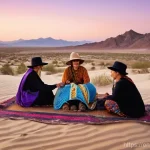
I cannot stress enough how incredible the Ramon Crater is. It’s not actually a crater from an impact; it’s a makhtesh, a unique geological erosion cirque, and the scale of it is just mind-blowing. Standing on the edge, looking down into this colossal natural amphitheater, you feel utterly tiny and completely awestruck. I took a guided jeep tour that delved deep into the makhtesh, and our guide was a walking encyclopedia of geology, history, and desert ecology. We stopped at different colored sand formations, saw ancient volcanic pipes, and learned about the forces that shaped this incredible landscape over millions of years. It was like a living, breathing geology lesson! What truly enchanted me, though, was the night sky. With virtually no light pollution, the stars put on a show I’ve rarely seen anywhere else. Lying out on a mat in the middle of the desert, identifying constellations, and spotting shooting stars felt incredibly spiritual. Many of the local eco-lodges and guesthouses around Mitzpe Ramon offer stargazing tours with powerful telescopes, making it an accessible and unforgettable experience for everyone. It’s a place that forces you to pause, reflect, and just soak in the immensity of nature and the universe. The silence, broken only by the whispers of the desert wind, is incredibly calming and restorative. It’s a testament to the raw, untamed beauty that Israel proudly preserves, offering an adventure that feels both ancient and uniquely modern in its appreciation for wilderness.
Coastal Charms: Preserving the Mediterranean’s Beauty
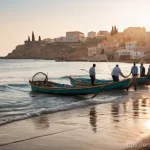
While the desert and inland regions are incredible, let’s not forget Israel’s stunning Mediterranean coastline, which also boasts some fantastic natural reserves. I was pleasantly surprised by how many efforts are being made to protect these vital coastal ecosystems. Places like the Dor HaBonim Beach Nature Reserve are perfect examples, offering pristine beaches, beautiful coves, and unique kurkar (calcarenite) reefs that are home to diverse marine life. Walking along the shoreline there, with the gentle Mediterranean breeze and the sound of the waves, felt incredibly peaceful. These reserves aren’t just about beautiful scenery; they’re critical habitats for nesting sea turtles and migratory birds, and strict regulations are in place to ensure their protection. You’ll find well-marked walking paths that allow you to explore without disturbing the fragile environment. I even saw signs explaining the importance of keeping plastics out of the ocean, which is a message close to my heart. It’s a different kind of ecotourism compared to the desert or the mountains, but equally important and rewarding. It offers a chance to connect with the sea, to appreciate its power and fragility, and to see firsthand how dedicated conservation efforts are safeguarding these precious coastal treasures. It’s a reminder that every part of Israel, from its highest peaks to its deepest waters, is being cherished and protected for those of us who seek to explore respectfully. The feeling of stepping onto a truly unspoiled beach, knowing it’s cared for, is something truly special.
Savoring the Flavors: Farm-to-Table & Local Experiences
Honestly, one of the most delightful surprises of my ecotourism journey in Israel was discovering how deeply intertwined the sustainable travel movement is with incredible culinary experiences and genuine local encounters. It’s not just about seeing beautiful landscapes; it’s about tasting the land, meeting the people who live there, and understanding their traditions. I’m a huge foodie, so exploring the farm-to-table scene was an absolute joy. It’s a perfect synergy: supporting local farmers and producers directly contributes to sustainable land use practices, reduces carbon footprints, and, let’s be real, results in some of the freshest, most delicious food you’ll ever taste! From small family-run vineyards in the Galilee to bustling farmers’ markets in the Negev, I found myself constantly delighted by the authentic flavors and the warmth of the people. These experiences truly connect you to the heart of Israel, offering a taste of its vibrant culture that goes far beyond what you’d find in a typical tourist restaurant. It adds another rich layer to the travel experience, proving that responsible tourism can be incredibly delicious and deeply personal. It’s about indulging your senses while also making a conscious choice to support the local economy and traditional livelihoods, which felt incredibly fulfilling.
Agritourism Adventures: Tasting the Land’s Bounty
I absolutely adore agritourism, and Israel offers some truly fantastic opportunities to get up close and personal with its agricultural heritage. I spent an afternoon at a kibbutz in the north, where they’ve been pioneers in sustainable farming for decades. I got to walk through organic orchards, learn about their innovative irrigation systems – crucial in a country like Israel – and even sample some freshly picked produce right off the vine. It was fascinating to see how they integrate traditional methods with modern, eco-friendly technologies. Another incredible experience was visiting a small family-run winery in the Judean Hills. The owners were so passionate about their biodynamic farming practices, and tasting their incredible wine, knowing it was produced with such care for the environment, made it all the more special. Many of these farms and wineries offer tours and tastings, allowing visitors to directly support sustainable agriculture and enjoy the fruits of their labor. It’s not just about the food and drink; it’s about connecting with the people who are so deeply rooted in the land, hearing their stories, and understanding the challenges and triumphs of cultivating in this unique environment. These experiences truly bring the landscape to life in a delicious and meaningful way, offering insights into the local culture that you just can’t get from a standard tour. I came away with a huge appreciation for their dedication and, of course, a very full and happy stomach!
Artisanal Crafts & Authentic Encounters: Supporting Local
Beyond food, I found that supporting local artisans and engaging in authentic cultural encounters was another wonderful way to practice responsible tourism. Throughout the country, especially in smaller towns and alongside nature reserves, you’ll discover workshops and small shops selling handmade goods that reflect Israel’s rich cultural tapestry. I remember finding an incredible pottery studio in a small village in the Galilee, where the artist used locally sourced clays and traditional firing techniques. Chatting with her about her craft and the inspiration she drew from the surrounding nature was a truly memorable experience. Buying a piece from her felt so much more meaningful than picking up a generic souvenir. Similarly, in the Negev, I stumbled upon a Bedouin cooperative selling beautiful hand-woven textiles and intricate silver jewelry, each piece telling a story of their nomadic heritage. When you purchase these items, you’re not just getting a unique keepsake; you’re directly supporting local economies, preserving traditional crafts, and empowering communities. It creates a beautiful cycle where your travel contributes directly to the well-being and cultural continuity of the people you meet. These interactions aren’t just transactions; they’re genuine connections that deepen your understanding of the place and its people. It’s these kinds of authentic encounters, steeped in local culture and craftsmanship, that truly enrich the travel experience and make it feel personal and impactful.
Making Every Trip Count: Your Impact as a Conscious Traveler
You know, for me, travel isn’t just about collecting passport stamps; it’s about making every journey meaningful, leaving a positive mark, and growing as a person. And when it comes to ecotourism in Israel, I felt a really strong sense of purpose because it’s such an incredible opportunity to make your travel choices count. Every decision, from where you stay and what activities you choose to how you interact with the environment, has a ripple effect. Israel is doing amazing things in terms of conservation and sustainable development, and as conscious travelers, we have the power to support and amplify those efforts. It’s not about being perfect; it’s about being mindful and making informed choices. I found that embracing this mindset actually opened up even more incredible experiences, allowing me to connect with the country on a much deeper level. It’s incredibly rewarding to know that your vacation isn’t just for your own enjoyment, but also contributes to the preservation of these stunning landscapes and supports the communities that cherish them. This country genuinely encourages a kind of travel that goes beyond the surface, inviting you to be a part of its ongoing story of resilience and renewal. I truly believe that by choosing to be a conscious traveler in Israel, you’re not just seeing the world; you’re helping to shape a better one.
Volunteering Opportunities: Giving Back to Nature
If you’re anything like me, you might find yourself wanting to do more than just observe – you want to actively contribute. And guess what? Israel offers some fantastic volunteering opportunities that allow you to roll up your sleeves and give back to its incredible natural environment. I heard about programs focused on desert reforestation, where volunteers help plant trees in arid areas, transforming barren landscapes into greener, more resilient ecosystems. There are also opportunities to participate in archaeological digs, carefully uncovering history while learning about preservation techniques. For those passionate about marine life, some organizations in Eilat focus on coral reef monitoring and clean-up efforts, giving you a chance to directly protect the underwater world. I didn’t get to participate in a long-term project on this trip, but I did join a short beach clean-up during my stay, and it was so satisfying to contribute, even in a small way. These experiences aren’t just about the work itself; they’re about connecting with like-minded individuals, learning from local experts, and gaining a deeper understanding of the ecological challenges and solutions. It’s an incredibly fulfilling way to spend part of your trip, transforming it from a mere vacation into a truly impactful journey. Imagine telling your friends you spent a week helping protect sea turtles or reforesting a desert – how cool is that? It truly adds a layer of purpose to your adventures.
Choosing Wisely: How Your Travel Choices Matter
The beauty of being a conscious traveler is realizing that even small choices can make a big difference. It starts with selecting tour operators who prioritize sustainability and employ local guides. I always look for companies that explicitly state their commitment to eco-friendly practices, like minimizing waste, supporting local businesses, and respecting wildlife. Opting for public transport or shared transfers when possible, instead of private cars, can significantly reduce your carbon footprint. When you’re out exploring, always remember the “leave no trace” principles: pack out everything you pack in, stay on marked trails, and never disturb wildlife or natural formations. And trust me, it’s not about restricting your fun; it’s about enhancing it by being respectful and thoughtful. Choosing accommodation that has genuine eco-certifications, eating at restaurants that source locally, and opting for refillable water bottles are all simple yet powerful ways to align your trip with your values. These actions, collectively, create a demand for more sustainable practices within the tourism industry, pushing it towards a greener future. It’s empowering to know that your travel dollars can contribute to positive change, helping to ensure that the breathtaking natural wonders of Israel remain vibrant and healthy for generations to come. Every thoughtful choice you make reinforces the idea that responsible travel is not just a niche, but the way forward for all of us who love to explore our beautiful planet.
The Wild Side You Never Knew: Wildlife Encounters
One of the most exhilarating aspects of exploring Israel’s natural reserves was the sheer abundance and diversity of its wildlife. Honestly, I was completely blown away! You might not immediately think of Israel as a prime wildlife destination, but it truly is a hidden gem for nature enthusiasts. From majestic raptors soaring high above desert canyons to elusive nocturnal creatures emerging under a blanket of stars, the country offers incredible opportunities for respectful wildlife viewing. I distinctly remember the thrill of spotting a herd of graceful ibex silhouetted against a desert sunset – a moment that felt so primal and profoundly beautiful. It’s a powerful reminder that beyond the historical narratives, Israel is a vibrant, living ecosystem, a crucial crossroads for species migration, and a sanctuary for unique indigenous flora and fauna. These encounters aren’t just about ticking off a list; they’re about fostering a deeper appreciation for the intricate web of life and understanding the critical importance of conservation. The guides I met were incredibly knowledgeable, not just about identifying species but also about their behaviors and habitats, adding so much depth to every sighting. It truly underscores the importance of visiting these areas responsibly, ensuring that our presence doesn’t disturb the delicate balance of their homes. This wild side of Israel is absolutely captivating, offering experiences that are both educational and deeply moving, leaving you with a sense of wonder for its unexpected natural treasures.
Observing Migratory Birds: A Spectacle of Nature
As I mentioned earlier with the Hula Valley, Israel is an absolutely vital corridor for migratory birds, a superhighway in the sky! Twice a year, millions of birds from Europe, Asia, and Africa pass through here, making it one of the world’s most important bird migration routes. I’ve always loved birdwatching, but experiencing it in Israel was on a whole new level. Besides the Hula Valley, other fantastic spots include the Eilat Ornithological Park, especially during spring and autumn migrations. It’s just incredible to witness such a vast array of species – pelicans, storks, various raptors, and countless smaller songbirds – all making their epic journeys. The dedication to protecting these migratory pathways is truly inspiring, with research centers and observation points designed to allow visitors to view the birds without disturbing them. I remember one morning, seeing thousands of cranes take flight against the sunrise; it was a scene of such breathtaking scale and beauty that it felt almost surreal. It’s a powerful reminder of our planet’s interconnectedness and the universal need for conservation across borders. For anyone with even a passing interest in nature, this spectacle is an absolute must-see, offering a rare glimpse into one of the most magnificent natural phenomena on Earth. You’ll leave with a renewed sense of wonder and a deep appreciation for the incredible journeys these creatures undertake, feeling a connection to something truly ancient and enduring.
Desert Critters and Unique Flora: Life in Extreme Conditions
Beyond the birds, the desert itself, particularly the Negev and Arava Valley, is surprisingly full of life if you know where to look. It’s a testament to resilience and adaptation. On a night walk I joined, our guide pointed out the tracks of desert foxes and hyenas, and we even caught a glimpse of a tiny, adorable jerboa hopping across the sand. It’s amazing how these creatures have evolved to thrive in such a harsh environment. During the day, you’ll spot elegant ibex clambering effortlessly across cliffsides, and if you’re lucky, perhaps even a rare desert tortoise. But it’s not just the animals; the flora is equally fascinating. I learned about ingenious desert plants that can survive with minimal water, some blooming with vibrant colors after rare rainfalls, others having evolved incredible mechanisms to conserve moisture. Our guide showed us how some Bedouin communities still use certain plants for medicinal purposes, a tradition passed down through generations. These small details truly bring the desert to life, transforming it from a seemingly barren landscape into a vibrant, dynamic ecosystem. It reminds you that nature finds a way, even in the most challenging conditions. Exploring these hidden wonders with a knowledgeable local guide is crucial, as they can help you understand the delicate balance of this environment and spot the often-elusive life forms that call it home, making your encounter with Israel’s wild side even more enriching and unforgettable. It’s a profound lesson in survival and beauty.
Wrapping Things Up
And there you have it, my friends! Who would have thought that Israel, a land so rich in ancient history, would also be such an astonishing haven for ecotourism and breathtaking natural beauty? Honestly, before my trip, I barely scratched the surface of what this country offers beyond its famous historical sites. But having ventured into its emerald Galilean hills, trekked through the stark majesty of the Negev Desert, and dived into the vibrant underwater world of the Red Sea, I can confidently say that Israel has completely captured my heart as an unexpected ecotourism paradise. It’s a place that not only connects you to millennia of human stories but also grounds you deeply in the incredible resilience and diversity of the natural world. Every encounter, from the soaring cranes of the Hula Valley to the ancient canyons of Ramon, felt like a personal discovery, a secret whispered by the land itself. I truly believe that exploring Israel’s wild side offers a uniquely enriching and profound travel experience, one that stays with you long after you’ve returned home, inspiring a renewed commitment to responsible exploration and appreciation for our planet’s hidden wonders.
Valuable Insights for Your Trip
Planning an eco-conscious adventure in Israel is easier and more rewarding than you might think, and trust me, a little preparation goes a long way in making your journey both impactful and unforgettable. Based on my own experiences and what I’ve learned on the ground, I’ve gathered some truly valuable insights that I wish I’d known even before I packed my bags. These tips aren’t just about being “green”; they’re about enhancing your entire travel experience by connecting more deeply with the local culture, supporting sustainable practices, and ensuring you get the most authentic and enriching encounters possible. From choosing your accommodations wisely to understanding local customs, these small shifts in your approach can transform a good trip into an extraordinary one, creating memories that are both thrilling and responsible. It’s all about empowering you to make choices that feel good, do good, and ultimately, lead to a more profound connection with this incredible land and its vibrant people.
1. Embrace Local Transportation: While convenient, private taxis can add up. Consider Israel’s efficient public transportation network – buses and trains are great for inter-city travel, and often connect to national parks. It’s not only eco-friendly but also a fantastic way to observe daily life and save some shekels!
2. Pack Smart, Pack Light: Think reusable water bottles, a good sun hat, and sturdy hiking shoes. Many places offer refill stations, and minimizing single-use plastics is huge. A compact first-aid kit and reef-safe sunscreen are also game-changers for adventures in the desert or by the Red Sea.
3. Support Genuine Eco-Operators: Look for tour companies and lodges that explicitly state their commitment to sustainability, employ local guides, and contribute to conservation efforts. A quick check of their website or a direct inquiry can make a big difference in ensuring your money supports ethical tourism.
4. Engage with Local Communities: Don’t just observe; participate! Seek out opportunities for agritourism, workshops with local artisans, or even guided walks led by indigenous communities. These interactions offer invaluable cultural insights and directly support the people who are the guardians of the land.
5. Respect Wildlife & Natural Reserves: Always stay on marked trails, maintain a respectful distance from animals, and absolutely never feed them. Remember, you’re a guest in their home. Adhering to “leave no trace” principles is paramount to preserving Israel’s delicate ecosystems for generations to come.
Essential Points to Remember
To truly make the most of your ecotourism journey in Israel, remember that it’s a land of astonishing contrasts and profound natural beauty, best explored with an open mind and a conscious heart. From the vibrant bird migrations in the Galilee to the ancient geological wonders of the Negev and the thriving coral reefs of Eilat, every region offers a unique blend of adventure and serenity. Prioritize experiences that champion local communities and sustainable practices, whether it’s staying in an eco-lodge, joining a community-led tour, or simply choosing local artisanal products. Your choices as a traveler have a significant impact, contributing directly to the preservation of these precious environments and the empowerment of the people who call them home. So, pack your sense of wonder, your reusable water bottle, and your respect for nature, and prepare to be utterly enchanted by the wild, unexpected side of Israel. It’s an adventure that not only offers incredible sights but also fosters a deeper connection to our shared planet.
Frequently Asked Questions (FAQ) 📖
Q: What kind of unique ecotourism experiences can I actually find in Israel, beyond just historical sites?
A: Oh, you are in for such a treat! When I first explored Israel, I was genuinely blown away by the sheer diversity of its natural landscapes, and how wonderfully they’ve embraced ecotourism.
Forget what you think you know about deserts and ancient ruins; this country offers an incredible spectrum of natural adventures. Seriously, my first dip in the Red Sea at Eilat felt like swimming in a giant aquarium – the coral reefs there are just bursting with color and marine life, it’s an absolute must for snorkeling or diving.
Then, as you head north, the Galilee region transforms into this lush, serene paradise with stunning hikes around the Sea of Galilee, perfect for birdwatching or just soaking in the peaceful vibes.
And let’s not forget the Negev Desert! This is where Israel truly shines with its innovative approach to sustainable travel. I remember spending a night in an eco-lodge there, stargazing from my tent, and it was one of the most magical experiences of my life.
You can go on incredible desert treks, explore unique geological formations, and even visit some of the agricultural initiatives that thrive in this seemingly harsh environment.
It’s truly a testament to their dedication to preserving these varied ecosystems while letting us experience them responsibly.
Q: How is Israel truly committed to sustainable travel and protecting its natural beauty for future generations?
A: That’s such an important question, and honestly, it’s one of the things that made me fall in love with Israel’s ecotourism scene. What I’ve seen firsthand is a really strong and growing commitment from the government, local communities, and even private businesses to protect their unique natural heritage.
The Israel Nature and Parks Authority does an outstanding job managing and preserving an extensive network of national parks and nature reserves across the country.
They’re not just pretty places; these are well-maintained, regulated areas with clear guidelines for visitors to ensure minimal impact. I’ve noticed a significant push for eco-friendly accommodations, especially in places like the Negev, where lodges are designed to blend seamlessly with the environment, minimize waste, and use renewable energy sources.
They also focus a lot on educating both locals and tourists about responsible tourism practices, from proper waste disposal to respecting wildlife habitats.
It’s inspiring to see how they’re integrating conservation efforts with the visitor experience, making it easy and enjoyable for travelers like us to support their vision for a greener, more sustainable future.
Q: What are your top tips for someone planning their first ecotourism adventure in Israel to make sure it’s both incredible and responsible?
A: Alright, if you’re planning your first ecotourism trip to Israel, you’re in for an unforgettable journey! My absolute top tip is to embrace slow travel.
Don’t try to cram too much into one trip; pick a region or two and really immerse yourself. For example, if you’re focused on the desert, dedicate a good chunk of time to the Negev.
Next, definitely pack light and smart: think reusable water bottles (it gets hot, folks!), sun protection, and comfortable hiking shoes. Booking eco-certified accommodations is a game-changer – look for places that proudly display their sustainability efforts.
These often offer unique local experiences that truly enrich your trip. Also, be sure to always stick to marked trails in national parks and reserves.
This protects both the delicate ecosystems and ensures your safety. I found that engaging with local guides not only enhanced my understanding of the environment and culture but also supported the local economy directly.
Lastly, remember that Israel has incredible public transportation between major cities, and carpooling or using shared taxis for more remote areas can further reduce your carbon footprint.
Trust me, a little planning goes a long way in making your Israeli ecotourism adventure both incredible for you and beneficial for the planet!