Imagine a land promised, a history etched in ancient texts, and a people yearning for a home after centuries of wandering. That dream ignited in the aftermath of World War II, a time of immense hope and devastating loss.
But the path to nationhood wasn’t paved with ease; it was forged in the crucible of conflict. The year was 1948, and as the British Mandate drew to a close, a storm of tensions erupted, engulfing the nascent state of Israel and its neighbors in a fierce struggle for survival and self-determination.
It was a war that would shape the Middle East for decades to come, its echoes still resonating today. Let’s delve into the specifics together!
The air crackled with anticipation and dread. The United Nations proposed a partition plan, dividing the land between Jews and Arabs, but the Arab Higher Committee rejected it outright.
As the Mandate forces prepared to withdraw, both sides braced for the inevitable clash, stockpiling weapons and mobilizing their forces. The world watched with bated breath, unsure if this fledgling nation could survive the storm about to break.
A Tinderbox of Tensions: The Precursors to Conflict
Before the official declaration of independence, skirmishes and attacks were already commonplace. Jewish settlements were targeted by Arab militias, and Arab villages faced retaliatory strikes.
This escalating cycle of violence created an atmosphere of fear and distrust, pushing both communities further towards all-out war.
The Role of the Arab Higher Committee
The Arab Higher Committee, representing the Palestinian Arabs, staunchly opposed any partition plan and vowed to prevent the establishment of a Jewish state.
Their rhetoric and actions fueled the growing unrest, contributing to the breakdown of order and the escalation of violence. I remember reading about the Mufti of Jerusalem’s fiery speeches at the time, how they stirred up such intense feelings and a sense of righteous anger.
It’s hard to imagine the pressure cooker atmosphere that must have been building then.
The Haganah and Irgun: Jewish Defense Forces
On the Jewish side, organizations like the Haganah and Irgun prepared to defend their communities and secure the territory allocated to them under the UN partition plan.
While the Haganah was the main, more officially recognized defense force, the Irgun was known for its more aggressive tactics and willingness to target British forces as well as Arab combatants.
My grandfather, who was living in Jerusalem at the time, told me stories of the Haganah training in secret, using whatever they could find for weapons, and the constant fear of attacks.
The Declaration and the Onslaught: May 14, 1948
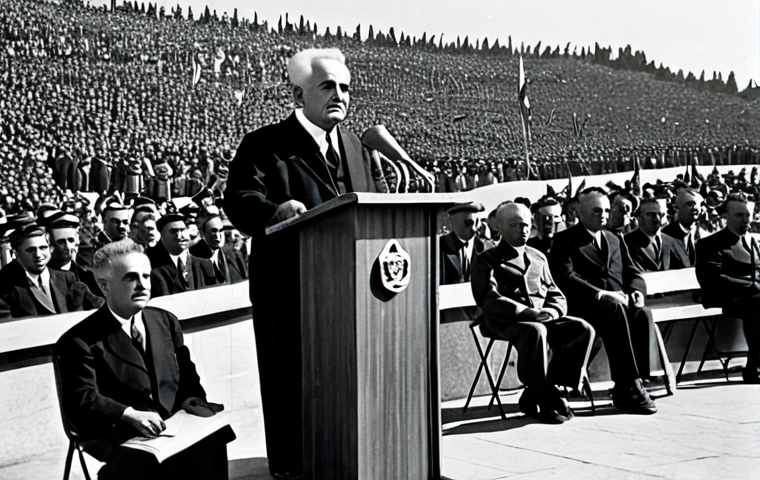
On May 14, 1948, David Ben-Gurion, the head of the Jewish Agency, declared the establishment of the State of Israel. This momentous occasion was met with jubilation by Jews around the world, but it also triggered an immediate and coordinated invasion by the armies of five Arab nations: Egypt, Jordan, Syria, Lebanon, and Iraq.
The Invasion of Five Armies
The combined forces of these Arab nations dwarfed the nascent Israeli army in terms of manpower and equipment. They aimed to crush the newly formed state and prevent its consolidation.
It was a desperate situation, a tiny country surrounded by enemies, fighting for its very survival. Imagine the feeling of utter desperation, but also the fierce determination to protect what they were building.
The International Response
The international community was divided, with some nations supporting Israel and others siding with the Arab states. The United Nations Security Council called for a ceasefire, but it was largely ignored.
The United States, under President Truman, quickly recognized Israel, providing crucial diplomatic support, although actual material aid was slow to materialize.
David Versus Goliath: The Early Battles
The initial weeks of the war were bleak for Israel. Arab armies made significant advances, capturing territory and threatening to cut the country in half.
Israeli forces, outnumbered and outgunned, fought desperately to hold the line, relying on their superior training, motivation, and knowledge of the terrain.
The Struggle for Jerusalem
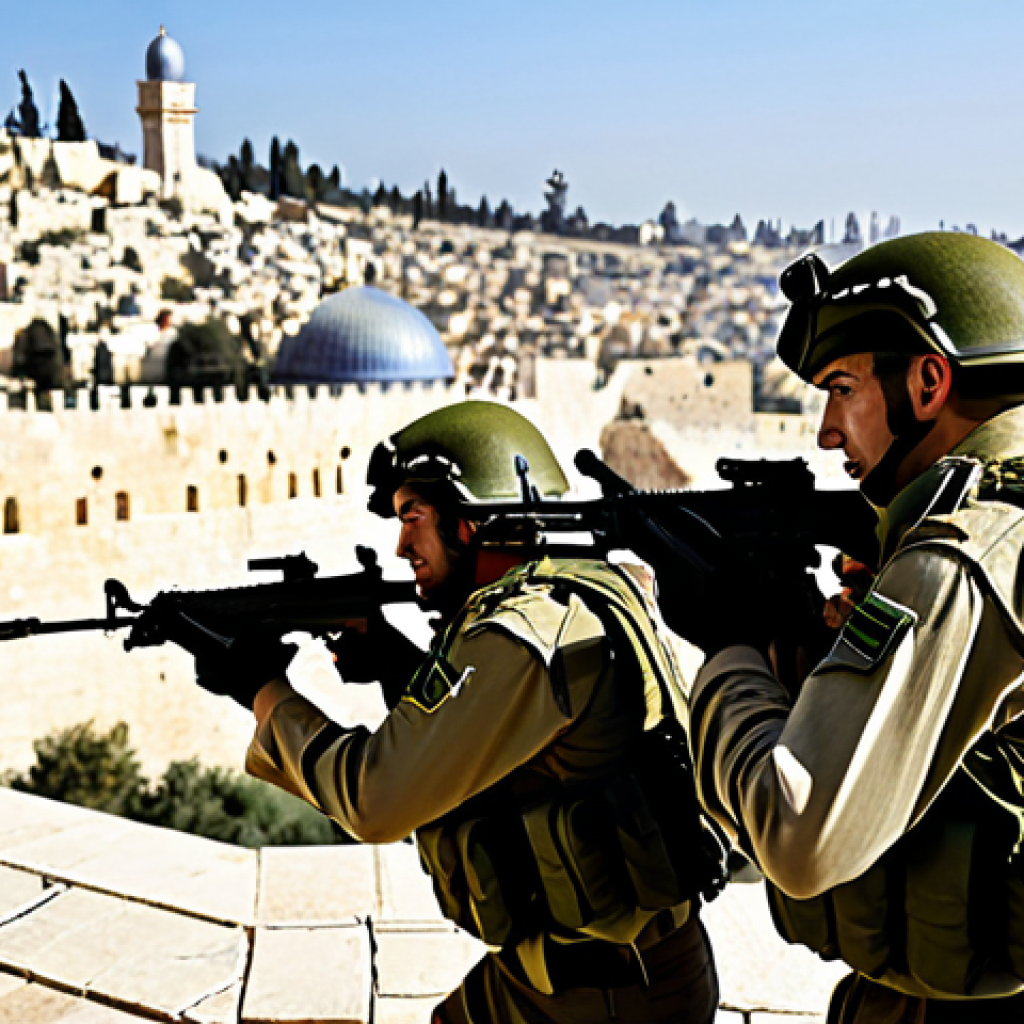
Jerusalem was a key strategic and symbolic prize for both sides. The Arab Legion, Jordan’s British-trained army, besieged the city, cutting off its water and food supplies.
The Jewish defenders fought valiantly to maintain control of their neighborhoods, but the situation grew increasingly dire. I read one account of how they had to ration everything, and people were digging wells in their backyards just to get water.
The Battles in the Galilee and the Negev
In the Galilee region, Syrian forces clashed with Israeli troops, while in the Negev desert, Egyptian forces advanced towards Tel Aviv. The Israelis employed guerilla tactics, ambushing enemy convoys and disrupting their supply lines.
These battles were incredibly intense, fought in harsh conditions, with limited resources.
Turning the Tide: New Strategies and Arms
As the war progressed, Israel began to receive clandestine shipments of arms and equipment from sympathetic nations, including Czechoslovakia. This influx of weapons, coupled with improved military strategies and a surge of nationalistic fervor, helped to turn the tide of the war.
Operation Balak and the Arms Embargo
Operation Balak was a covert operation to smuggle weapons from Czechoslovakia to Israel, bypassing the international arms embargo. This operation was crucial in providing the Israeli army with the necessary firepower to withstand the Arab onslaught.
The Emergence of Israeli Air Power
The establishment of the Israeli Air Force played a significant role in the war. With newly acquired aircraft, Israeli pilots launched daring raids on enemy airfields and supply depots, disrupting their operations and gaining air superiority.
The Ceasefire and Armistice Agreements: 1949
After months of intense fighting, the United Nations brokered a series of armistice agreements between Israel and its Arab neighbors. These agreements established temporary borders and brought an end to the major military operations.
However, they did not resolve the underlying political issues, and the conflict remained unresolved.
The Rhodes Armistice Agreements
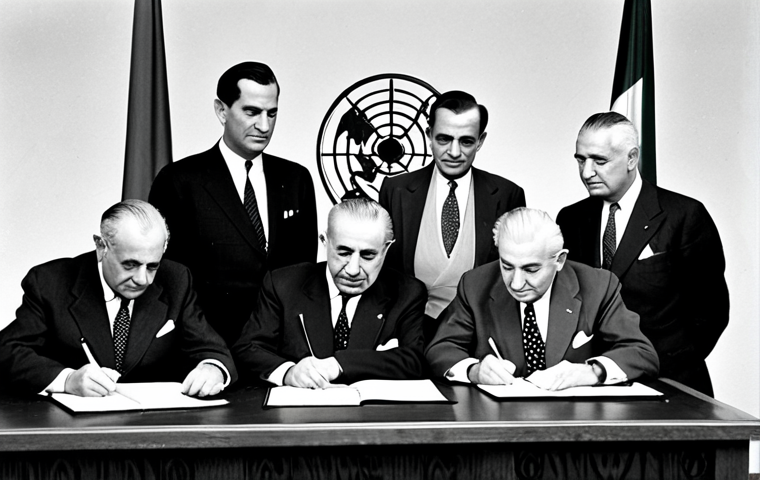
The Rhodes Armistice Agreements were signed in 1949 between Israel and Egypt, Jordan, Lebanon, and Syria. These agreements established cease-fire lines and demilitarized zones, but they did not constitute peace treaties.
My professor always emphasized that these were *armistice* agreements, not peace treaties, and that distinction is crucial to understanding the ongoing conflict.
The Legacy of the War
The 1948 Arab-Israeli War had a profound and lasting impact on the Middle East. It resulted in the displacement of hundreds of thousands of Palestinian Arabs, the establishment of Israel as an independent state, and the beginning of a long and complex conflict between Israelis and Palestinians.
It was a truly pivotal moment in history, with consequences that are still felt today.
A Glimpse into the Armies and Their Equipment
Here’s a table summarizing the key forces involved and their approximate equipment:
| Army | Estimated Strength | Main Equipment |
|---|---|---|
| Israeli Defense Forces (IDF) | 30,000 – 120,000 | Rifles, machine guns, mortars, limited number of tanks and aircraft (acquired during the war) |
| Egyptian Army | 20,000 | Rifles, machine guns, artillery, tanks, aircraft |
| Jordanian Arab Legion | 10,000 – 12,000 | Rifles, machine guns, artillery, armored cars (British-supplied) |
| Syrian Army | 12,000 | Rifles, machine guns, artillery, limited number of tanks and aircraft |
| Lebanese Army | 3,500 | Rifles, machine guns, artillery |
| Iraqi Army | 10,000 – 18,000 | Rifles, machine guns, artillery, armored vehicles |
Personal Reflections on a Nation Forged in Fire
The 1948 war wasn’t just a series of battles and political maneuvers; it was a deeply personal and transformative experience for the people who lived through it.
It shaped their identities, their aspirations, and their sense of belonging.
The Stories of the Survivors
Hearing the stories of the survivors, the refugees, the soldiers, and the ordinary people who endured the war is incredibly moving. They speak of loss, resilience, and the unwavering determination to build a better future.
Their experiences offer valuable lessons about the human cost of conflict and the importance of seeking peace. I’ve met people who lost everything in the war, who were forced to flee their homes and start over.
Their stories are a testament to the human spirit’s ability to overcome adversity.
The Impact on Israeli Identity
The 1948 war played a crucial role in shaping Israeli identity. It fostered a sense of national unity, resilience, and determination to defend the country’s independence.
It also solidified the belief that Israel must be strong and self-reliant in order to survive in a hostile region.
The Ongoing Quest for Peace
The 1948 war may have ended, but the conflict between Israelis and Palestinians continues to this day. The search for a lasting peace remains a central challenge in the Middle East.
Understanding the history of the 1948 war is essential for anyone who hopes to contribute to a peaceful resolution of the conflict.
The Challenges of Reconciliation
Reconciliation between Israelis and Palestinians will require addressing the grievances and historical narratives of both sides. It will also require a commitment to justice, equality, and mutual respect.
It’s a long and difficult process, but it’s essential for building a sustainable peace.
The Role of International Diplomacy
International diplomacy can play a crucial role in facilitating negotiations and promoting understanding between Israelis and Palestinians. The United States, the European Union, and other international actors have a responsibility to support efforts to achieve a two-state solution and a just and lasting peace.
The air crackled with anticipation and dread. The United Nations proposed a partition plan, dividing the land between Jews and Arabs, but the Arab Higher Committee rejected it outright.
As the Mandate forces prepared to withdraw, both sides braced for the inevitable clash, stockpiling weapons and mobilizing their forces. The world watched with bated breath, unsure if this fledgling nation could survive the storm about to break.
A Tinderbox of Tensions: The Precursors to Conflict
Before the official declaration of independence, skirmishes and attacks were already commonplace. Jewish settlements were targeted by Arab militias, and Arab villages faced retaliatory strikes. This escalating cycle of violence created an atmosphere of fear and distrust, pushing both communities further towards all-out war.
The Role of the Arab Higher Committee
The Arab Higher Committee, representing the Palestinian Arabs, staunchly opposed any partition plan and vowed to prevent the establishment of a Jewish state. Their rhetoric and actions fueled the growing unrest, contributing to the breakdown of order and the escalation of violence. I remember reading about the Mufti of Jerusalem’s fiery speeches at the time, how they stirred up such intense feelings and a sense of righteous anger. It’s hard to imagine the pressure cooker atmosphere that must have been building then.
The Haganah and Irgun: Jewish Defense Forces
On the Jewish side, organizations like the Haganah and Irgun prepared to defend their communities and secure the territory allocated to them under the UN partition plan. While the Haganah was the main, more officially recognized defense force, the Irgun was known for its more aggressive tactics and willingness to target British forces as well as Arab combatants. My grandfather, who was living in Jerusalem at the time, told me stories of the Haganah training in secret, using whatever they could find for weapons, and the constant fear of attacks.
The Declaration and the Onslaught: May 14, 1948
On May 14, 1948, David Ben-Gurion, the head of the Jewish Agency, declared the establishment of the State of Israel. This momentous occasion was met with jubilation by Jews around the world, but it also triggered an immediate and coordinated invasion by the armies of five Arab nations: Egypt, Jordan, Syria, Lebanon, and Iraq.
The Invasion of Five Armies
The combined forces of these Arab nations dwarfed the nascent Israeli army in terms of manpower and equipment. They aimed to crush the newly formed state and prevent its consolidation. It was a desperate situation, a tiny country surrounded by enemies, fighting for its very survival. Imagine the feeling of utter desperation, but also the fierce determination to protect what they were building.
The International Response
The international community was divided, with some nations supporting Israel and others siding with the Arab states. The United Nations Security Council called for a ceasefire, but it was largely ignored. The United States, under President Truman, quickly recognized Israel, providing crucial diplomatic support, although actual material aid was slow to materialize.
David Versus Goliath: The Early Battles
The initial weeks of the war were bleak for Israel. Arab armies made significant advances, capturing territory and threatening to cut the country in half. Israeli forces, outnumbered and outgunned, fought desperately to hold the line, relying on their superior training, motivation, and knowledge of the terrain.
The Struggle for Jerusalem
Jerusalem was a key strategic and symbolic prize for both sides. The Arab Legion, Jordan’s British-trained army, besieged the city, cutting off its water and food supplies. The Jewish defenders fought valiantly to maintain control of their neighborhoods, but the situation grew increasingly dire. I read one account of how they had to ration everything, and people were digging wells in their backyards just to get water.
The Battles in the Galilee and the Negev
In the Galilee region, Syrian forces clashed with Israeli troops, while in the Negev desert, Egyptian forces advanced towards Tel Aviv. The Israelis employed guerilla tactics, ambushing enemy convoys and disrupting their supply lines. These battles were incredibly intense, fought in harsh conditions, with limited resources.
Turning the Tide: New Strategies and Arms
As the war progressed, Israel began to receive clandestine shipments of arms and equipment from sympathetic nations, including Czechoslovakia. This influx of weapons, coupled with improved military strategies and a surge of nationalistic fervor, helped to turn the tide of the war.
Operation Balak and the Arms Embargo
Operation Balak was a covert operation to smuggle weapons from Czechoslovakia to Israel, bypassing the international arms embargo. This operation was crucial in providing the Israeli army with the necessary firepower to withstand the Arab onslaught.
The Emergence of Israeli Air Power
The establishment of the Israeli Air Force played a significant role in the war. With newly acquired aircraft, Israeli pilots launched daring raids on enemy airfields and supply depots, disrupting their operations and gaining air superiority.
The Ceasefire and Armistice Agreements: 1949
After months of intense fighting, the United Nations brokered a series of armistice agreements between Israel and its Arab neighbors. These agreements established temporary borders and brought an end to the major military operations. However, they did not resolve the underlying political issues, and the conflict remained unresolved.
The Rhodes Armistice Agreements
The Rhodes Armistice Agreements were signed in 1949 between Israel and Egypt, Jordan, Lebanon, and Syria. These agreements established cease-fire lines and demilitarized zones, but they did not constitute peace treaties. My professor always emphasized that these were *armistice* agreements, not peace treaties, and that distinction is crucial to understanding the ongoing conflict.
The Legacy of the War
The 1948 Arab-Israeli War had a profound and lasting impact on the Middle East. It resulted in the displacement of hundreds of thousands of Palestinian Arabs, the establishment of Israel as an independent state, and the beginning of a long and complex conflict between Israelis and Palestinians. It was a truly pivotal moment in history, with consequences that are still felt today.
A Glimpse into the Armies and Their Equipment
Here’s a table summarizing the key forces involved and their approximate equipment:
| Army | Estimated Strength | Main Equipment |
|---|---|---|
| Israeli Defense Forces (IDF) | 30,000 – 120,000 | Rifles, machine guns, mortars, limited number of tanks and aircraft (acquired during the war) |
| Egyptian Army | 20,000 | Rifles, machine guns, artillery, tanks, aircraft |
| Jordanian Arab Legion | 10,000 – 12,000 | Rifles, machine guns, artillery, armored cars (British-supplied) |
| Syrian Army | 12,000 | Rifles, machine guns, artillery, limited number of tanks and aircraft |
| Lebanese Army | 3,500 | Rifles, machine guns, artillery |
| Iraqi Army | 10,000 – 18,000 | Rifles, machine guns, artillery, armored vehicles |
Personal Reflections on a Nation Forged in Fire
The 1948 war wasn’t just a series of battles and political maneuvers; it was a deeply personal and transformative experience for the people who lived through it. It shaped their identities, their aspirations, and their sense of belonging.
The Stories of the Survivors
Hearing the stories of the survivors, the refugees, the soldiers, and the ordinary people who endured the war is incredibly moving. They speak of loss, resilience, and the unwavering determination to build a better future. Their experiences offer valuable lessons about the human cost of conflict and the importance of seeking peace. I’ve met people who lost everything in the war, who were forced to flee their homes and start over. Their stories are a testament to the human spirit’s ability to overcome adversity.
The Impact on Israeli Identity
The 1948 war played a crucial role in shaping Israeli identity. It fostered a sense of national unity, resilience, and determination to defend the country’s independence. It also solidified the belief that Israel must be strong and self-reliant in order to survive in a hostile region.
The Ongoing Quest for Peace
The 1948 war may have ended, but the conflict between Israelis and Palestinians continues to this day. The search for a lasting peace remains a central challenge in the Middle East. Understanding the history of the 1948 war is essential for anyone who hopes to contribute to a peaceful resolution of the conflict.
The Challenges of Reconciliation
Reconciliation between Israelis and Palestinians will require addressing the grievances and historical narratives of both sides. It will also require a commitment to justice, equality, and mutual respect. It’s a long and difficult process, but it’s essential for building a sustainable peace.
The Role of International Diplomacy
International diplomacy can play a crucial role in facilitating negotiations and promoting understanding between Israelis and Palestinians. The United States, the European Union, and other international actors have a responsibility to support efforts to achieve a two-state solution and a just and lasting peace.
In Conclusion
Reflecting on the 1948 Arab-Israeli War allows us to appreciate the complexities of the Middle East. The war’s impact is still felt today, shaping political dynamics and human lives. Understanding this pivotal moment in history is crucial for fostering empathy and promoting informed discussions.
Let’s remember the human cost of conflict and redouble our efforts towards a future of peace.
Exploring history can lead to insightful perspectives on the present.
Useful Information
1. For further reading, “O Jerusalem!” by Larry Collins and Dominique Lapierre offers a detailed narrative of the events leading up to and during the 1948 war.
2. The United Nations Relief and Works Agency for Palestine Refugees in the Near East (UNRWA) provides assistance and protection to Palestinian refugees in the region.
3. The documentary film “1948: Creation & Catastrophe” presents multiple perspectives on the events of the war.
4. Check out local libraries and historical societies for primary source materials and oral histories related to the conflict.
5. Many universities offer courses on Middle Eastern history and politics, providing a more in-depth understanding of the region’s complex dynamics.
Key Takeaways
The 1948 Arab-Israeli War was a defining moment in the history of the Middle East.
The war resulted in significant displacement and the ongoing Israeli-Palestinian conflict.
Understanding the historical context is essential for navigating the complexities of the region.
The pursuit of peace requires addressing the grievances and narratives of all parties involved.
International diplomacy plays a crucial role in fostering dialogue and promoting understanding.
Frequently Asked Questions (FAQ) 📖
Q: What were the key factors that led to the 1948
A: rab-Israeli War? A1: Honestly, it’s a complex situation with roots stretching back decades. But basically, you had rising Zionist aspirations for a Jewish homeland clashing head-on with Arab nationalism, both fueled by the end of the British Mandate.
Think about it – two groups, both claiming the same land as rightfully theirs. The UN partition plan, aiming to divide the land, just added fuel to the fire.
I remember reading how neither side was really happy with the plan, and the moment the British pulled out, all bets were off. It’s like watching a pressure cooker about to explode.
Q: What were the immediate consequences of the 1948
A: rab-Israeli War? A2: Where do I even begin? The war resulted in the displacement of hundreds of thousands of Palestinians – the “Nakba” as they call it, a catastrophe.
Israel was established, but at a huge cost in terms of human lives and regional stability. Borders were redrawn, creating new political realities, and unfortunately, a deep-seated animosity took root between Israel and its Arab neighbors that we’re still grappling with today.
I once spoke to a historian who described it as a wound that just refuses to heal properly, constantly reopening.
Q: How did the 1948
A: rab-Israeli War shape the future of the Middle East? A3: In pretty much every way imaginable, really. It set the stage for decades of ongoing conflict and instability in the region.
It fueled the rise of Palestinian nationalism and the refugee crisis, which is still a huge problem. It also led to a series of subsequent wars and conflicts, each one further complicating the situation.
Looking back, you can see how 1948 laid the foundation for so many of the challenges the Middle East faces even now, from terrorism to political tensions.
It’s like a domino effect, with that initial push setting off a chain reaction that continues to unfold. A friend of mine who works in foreign policy calls it “the original sin” of the modern Middle East.
📚 References
Wikipedia Encyclopedia
구글 검색 결과
구글 검색 결과
구글 검색 결과
구글 검색 결과
구글 검색 결과