Israel’s desert landscapes offer a striking contrast to its bustling cities, revealing vast stretches of rugged beauty and timeless tranquility. From the sun-drenched dunes of the Negev to the dramatic cliffs surrounding the Dead Sea, these arid regions hold stories of ancient civilizations and natural wonders.
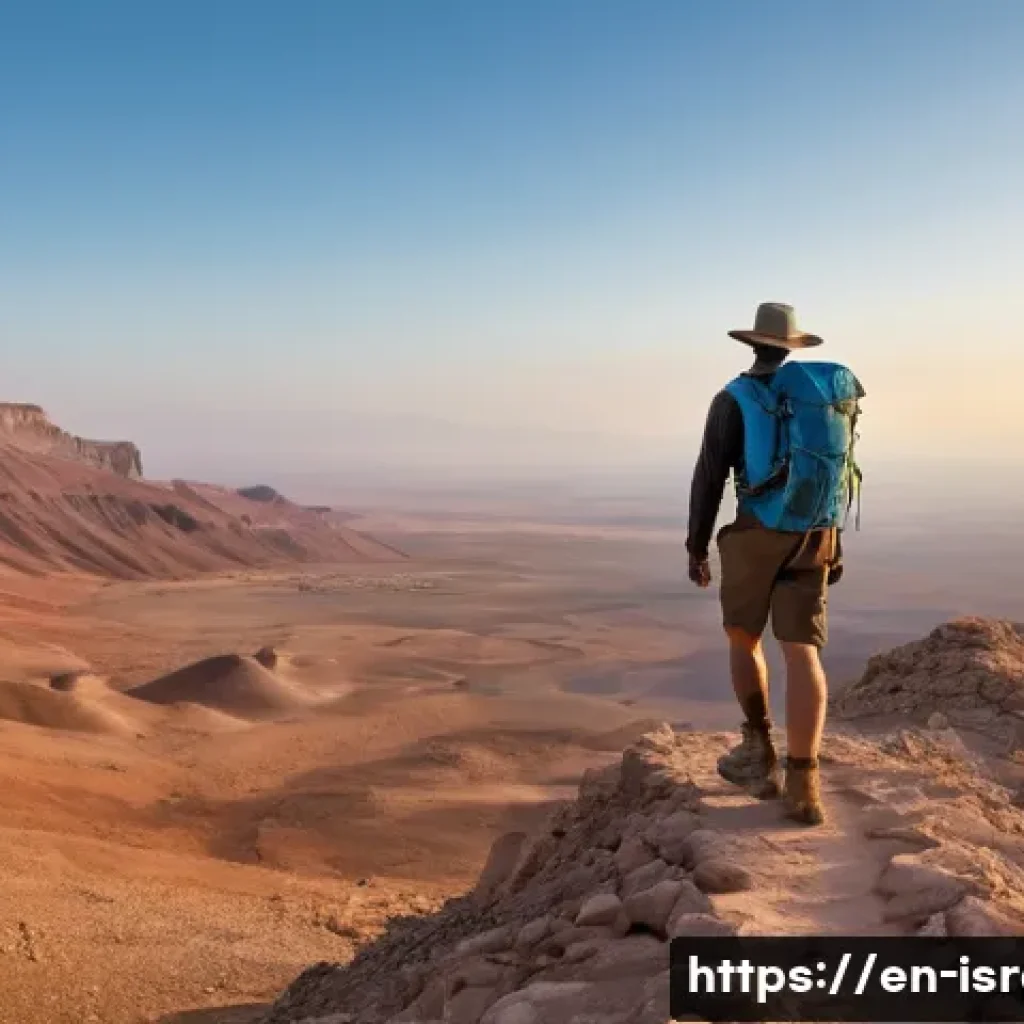
Exploring this unique terrain requires a mix of adventure and preparation, whether you’re hiking remote trails or embarking on a jeep safari. Traveling through Israel’s deserts is not just about sightseeing—it’s an immersive experience that connects you with nature and history in a truly unforgettable way.
Ready to uncover the best ways to navigate these breathtaking deserts? Let’s dive into the details and explore how to make the most of your desert adventure!
Choosing the Right Time and Gear for Desert Exploration
When to Visit for Comfortable Weather
Exploring Israel’s deserts is best done during the cooler months, typically from October to April. I’ve personally found that the searing summer heat, especially in July and August, can be downright exhausting and even dangerous if you’re not properly prepared.
During spring and autumn, temperatures hover comfortably between 20°C to 30°C (68°F to 86°F), making it ideal for long hikes or jeep tours without feeling like you’re baking under the sun.
Early mornings and late afternoons in these months offer the most pleasant conditions, plus the desert light during sunrise and sunset is absolutely magical for photography lovers.
Essential Gear for Safety and Comfort
Packing smart is a game changer. Over the years, I’ve learned that lightweight, breathable clothing is a must—think moisture-wicking fabrics and long sleeves for sun protection.
A wide-brimmed hat and UV-blocking sunglasses are non-negotiable, as is a high-SPF sunscreen. Don’t forget sturdy hiking boots; the rocky terrain can be unforgiving on your feet.
I always carry a hydration pack or multiple water bottles because dehydration sneaks up fast in arid climates. Finally, having a portable charger and a basic first aid kit has saved me more than once when out in remote areas with limited cell service.
Planning Your Route: Trails, Roads, and Hidden Gems
Depending on your adventure style, you can choose from marked hiking trails, off-road jeep routes, or even camel treks. For instance, the Ramon Crater offers well-maintained paths that provide spectacular views without the need for specialized equipment.
On the other hand, if you’re craving a bit more thrill, some jeep tours take you deep into less accessible wadis and canyons. I recommend downloading offline maps and consulting local guides when possible, as some trails are less clearly marked.
A good tip I discovered is to start early and break up your journey with rest stops near oasis-like spots or archaeological sites, which enrich the experience beyond just nature.
Discovering Desert Wildlife and Plant Life
Spotting Animals in Their Natural Habitat
One of the most rewarding aspects of Israel’s deserts is encountering its unique wildlife. I was surprised to see creatures like the Nubian ibex scaling rocky cliffs with incredible agility or the elusive sand cat prowling at dusk.
Bird watchers will be thrilled by sightings of desert-adapted species such as the Sinai rosefinch or the griffon vulture soaring overhead. Patience is key—early morning and twilight hours are when animals are most active.
It’s fascinating to observe how life thrives in such harsh conditions, often relying on rare water sources or specialized feeding habits.
Plant Adaptations and Their Stories
Desert flora might look sparse at first glance, but a closer look reveals a world of resilience. Plants like the acacia tree and desert thyme have adapted to survive with minimal water.
On one hike, I noticed how certain shrubs had tiny leaves or spines, reducing water loss and protecting against herbivores. The seasonal bloom after rare rains transforms parts of the desert into carpets of wildflowers, a sight I never forget.
Learning about these adaptations enriches the desert experience by connecting you with nature’s ingenious survival strategies.
Respecting the Ecosystem While Exploring
It’s crucial to minimize your impact on these fragile environments. Sticking to established trails helps protect plant roots and animal habitats. I always make sure to pack out all trash and avoid disturbing wildlife, especially nesting birds or burrowing animals.
Using biodegradable products and avoiding single-use plastics are small but meaningful steps. The desert’s quiet beauty demands respect, and by treading lightly, we ensure future travelers can enjoy the same awe-inspiring encounters.
Immersive Cultural Experiences Near the Desert
Exploring Ancient Ruins and Historical Sites
Israel’s deserts are dotted with archaeological treasures that tell stories spanning thousands of years. For example, the Nabatean city of Avdat offers fascinating ruins with well-preserved temples, cisterns, and ancient streets.
Walking through these sites feels like stepping back in time, imagining caravan traders who once crossed these vast expanses. On a personal note, visiting Masada at dawn was unforgettable—the panoramic views combined with the history of resistance and survival made it deeply moving.
These cultural gems provide a profound contrast to the natural landscape.
Interacting with Local Bedouin Communities
Meeting Bedouin tribes adds a rich human dimension to your desert journey. I’ve had the pleasure of sharing tea in traditional tents, hearing stories passed down through generations, and tasting authentic dishes cooked over open fires.
Their deep knowledge of the land, survival skills, and customs offer insights you won’t find in guidebooks. Many Bedouin-run tours also include camel rides or stargazing nights, turning your trip into a genuine cultural immersion that supports local livelihoods.
Desert Festivals and Events Worth Timing Your Visit For
If your schedule allows, try to align your trip with desert festivals that showcase regional music, dance, and crafts. Events like the Red Sea Jazz Festival or local folklore celebrations bring vibrant life to otherwise quiet areas.
I recall attending a small desert music gathering where the fusion of traditional and contemporary sounds under the starry sky created an unforgettable atmosphere.
These festivals are perfect opportunities to connect with locals and fellow travelers, enriching your desert adventure with shared joy and creativity.
Practical Tips for Navigating and Staying Safe
Using Technology Wisely
Smartphone apps for navigation and weather updates are invaluable, but they shouldn’t be your sole reliance. I’ve had moments where GPS signals dropped unexpectedly, so carrying a physical map and compass is a sensible backup.
Additionally, check weather forecasts before setting out, as flash floods can occur even in deserts, turning dry wadis into dangerous torrents. Sharing your itinerary with someone not on the trip adds an extra layer of security, especially if you’re venturing into remote areas alone or in small groups.
Health Precautions and Emergency Preparedness
Sunstroke and dehydration are real risks. I always pace myself, take frequent water breaks, and avoid strenuous activity during peak heat hours. Carrying electrolyte tablets helps maintain balance, especially on multi-day treks.
Knowing basic first aid is a plus; I once treated a minor sprain on the trail, which could have spoiled the trip without prompt care. Emergency numbers and locations of the nearest medical facilities should be noted before departure.
Finally, traveling with a guide or a group increases safety, particularly if you’re unfamiliar with desert conditions.
Vehicle and Transportation Advice
Renting a 4×4 vehicle is often the best way to access the more rugged parts of Israel’s deserts. When I drove through the Negev, having a reliable jeep made it possible to explore hidden canyons and off-the-beaten-path spots.
Be sure the vehicle is well-maintained and equipped with spare tires, extra fuel, and basic tools. If you’re not confident driving on sandy or rocky surfaces, guided jeep tours are a fantastic alternative—they combine adventure with local expertise.
Always check road conditions ahead and inform someone of your travel plans.
Comparing Popular Desert Areas and Activities
Negev Desert Highlights
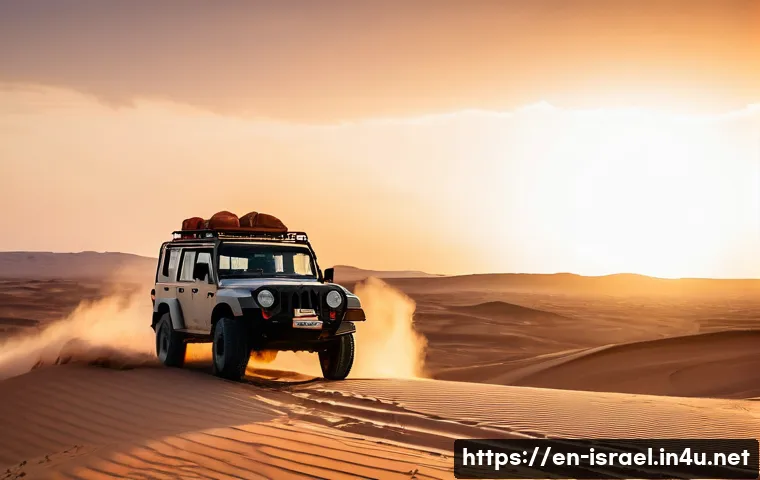
The Negev is Israel’s largest desert, featuring diverse landscapes from the expansive Ramon Crater to the sand dunes near Mitzpe Ramon. It’s perfect for hiking, jeep safaris, and stargazing due to its clear night skies.
I enjoyed the Ein Avdat canyon hike, where the cool shade and flowing spring felt like an oasis in the dry wilderness.
Dead Sea Region Adventures
Famous for its salty waters and mineral-rich mud, the Dead Sea area offers a unique experience. Beyond floating effortlessly, you can explore the surrounding desert cliffs and visit historic sites like Qumran Caves.
The contrast between the barren cliffs and the shimmering sea creates an almost surreal atmosphere.
Arava Valley and Eilat’s Desert Edge
Closer to the Red Sea, the Arava Valley presents a different desert ecosystem with unique flora and fauna. Eilat, Israel’s southernmost city, combines desert landscapes with vibrant coral reefs, providing a mix of desert and marine activities.
I found snorkeling here a refreshing break after days of desert trekking.
| Desert Area | Key Attractions | Best Activities | Recommended Season |
|---|---|---|---|
| Negev Desert | Ramon Crater, Ein Avdat, Mitzpe Ramon Dunes | Hiking, Jeep Safari, Stargazing | October – April |
| Dead Sea Region | Dead Sea, Qumran Caves, Masada | Floating, Mud Baths, Historical Tours | March – May, September – November |
| Arava Valley & Eilat | Coral Reefs, Desert Wildlife Reserves | Snorkeling, Wildlife Watching, Desert Trekking | Winter Months (December – February) |
Capturing the Desert’s Essence Through Photography
Best Times for Stunning Desert Light
Golden hour—the hour after sunrise and before sunset—is when the desert truly comes alive with warm, soft light that enhances textures and colors. I’ve found that shooting during these times transforms ordinary landscapes into breathtaking scenes.
The interplay of shadows over dunes and rock formations creates depth that’s hard to replicate at other times of day.
Techniques for Photographing Harsh Environments
Using a polarizing filter helps reduce glare from sand and rocks, while a tripod can stabilize your shots during low-light conditions. I recommend experimenting with wide-angle lenses to capture the vastness, and macro lenses for close-ups of desert plants and textures.
Don’t shy away from black-and-white photography either; it can emphasize the stark contrasts and timeless feel of the desert.
Protecting Your Equipment in Dusty Conditions
Sand and dust are the desert’s biggest enemies for cameras. I always carry a weather-sealed camera bag and microfiber cloths to clean lenses regularly.
Using lens hoods minimizes dust settling on the glass. When changing lenses, I find it helpful to do so in sheltered spots or inside a tent. Investing in protective filters and keeping your gear covered when not in use has saved me from costly damage.
Food and Drink Options to Keep You Energized
Traditional Desert Cuisine to Try
Sampling local foods adds flavor to the desert journey. Bedouin dishes like mansaf (lamb cooked in yogurt sauce) and freshly baked flatbreads offer hearty, satisfying meals after a day of exploring.
I’ve also enjoyed dates and dried fruits as perfect energy-boosting snacks. Many desert camps serve these traditional dishes, creating a cozy, authentic dining atmosphere under the stars.
Hydration Strategies for the Arid Climate
Staying hydrated is crucial, and beyond just drinking water, replenishing electrolytes makes a big difference. I carry electrolyte tablets or powders mixed into my water and eat foods high in water content, like cucumbers and watermelon when available.
Avoiding excessive caffeine or alcohol during your desert stay helps maintain hydration levels and prevents fatigue.
Planning Meals for Multi-Day Trips
When camping or trekking overnight, lightweight, non-perishable foods are lifesavers. I pack nuts, energy bars, instant soups, and freeze-dried meals that just need hot water.
Having a portable stove or a fire pit (where allowed) makes cooking easier. I always plan for extra food and water reserves, since desert conditions can be unpredictable and resupply points scarce.
Nighttime Wonders: Stargazing and Desert Camp Life
Why the Desert is a Stargazer’s Paradise
Far from city lights, Israel’s deserts offer some of the clearest skies I’ve ever seen. The Milky Way stretches vividly overhead, and constellations appear with unmatched brilliance.
On clear nights, you can even spot planets and shooting stars. Bringing a star map app or a telescope enhances the experience, making you feel part of a vast cosmic landscape.
Setting Up a Comfortable Desert Camp
Camping in the desert requires preparation to stay warm and comfortable after sunset when temperatures drop. I use layered clothing, a quality sleeping bag rated for cool temperatures, and an insulated sleeping pad.
Choosing a flat, sheltered spot away from dry riverbeds is important for safety. Lighting with lanterns or headlamps creates a cozy ambiance while preserving night vision for stargazing.
Sharing Stories and Traditions Around the Campfire
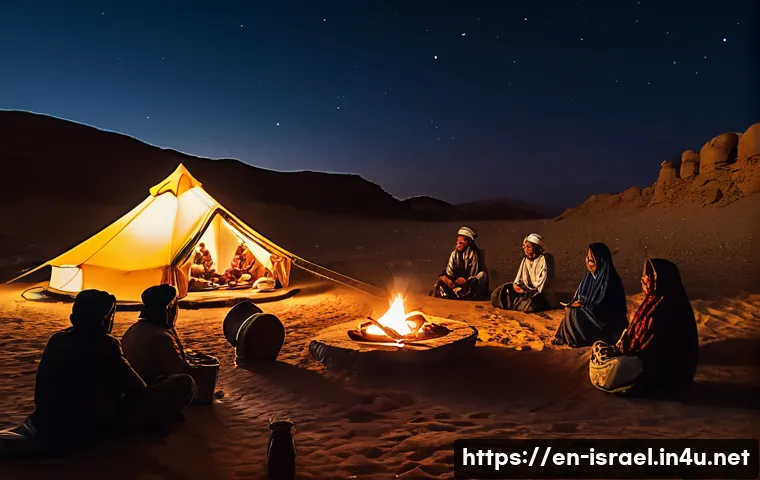
One of my favorite desert memories is sitting around a campfire, sharing stories with fellow travelers and Bedouin hosts. The crackling fire, the cool breeze, and the vast starry sky create a perfect setting for connection and reflection.
These moments often include traditional music, poetry, and delicious food, turning your desert night into a warm, unforgettable experience.
Conclusion
Exploring the desert offers an unforgettable blend of natural beauty, cultural richness, and thrilling adventure. With the right timing, gear, and respect for the environment, your journey will be safe and deeply rewarding. Whether you’re captivated by wildlife, ancient history, or starlit nights, the desert’s magic leaves a lasting impression. Embrace the experience fully, and you’ll return with stories and memories that stay with you forever.
Useful Information to Keep in Mind
1. Plan your visit during cooler months, preferably between October and April, to avoid extreme heat and enjoy comfortable outdoor activities.
2. Pack essential gear such as breathable clothing, sun protection, sturdy footwear, and plenty of water to stay safe and comfortable.
3. Use offline maps and consult local guides to navigate trails and hidden spots effectively, especially in less marked areas.
4. Respect the fragile desert ecosystem by staying on trails, minimizing waste, and avoiding disturbance to wildlife.
5. Stay prepared with emergency contacts, basic first aid knowledge, and backup navigation tools to ensure a secure adventure.
Key Takeaways for a Successful Desert Adventure
Choosing the right season and gear is critical to managing desert conditions safely and comfortably. Always prioritize hydration and sun protection, and plan your routes with attention to local guidance. Engage with the culture respectfully and immerse yourself in the unique history and traditions of desert communities. Protect your equipment from harsh elements and be mindful of your environmental impact. Lastly, embrace flexibility and preparedness to fully enjoy the diverse experiences the desert has to offer.
Frequently Asked Questions (FAQ) 📖
Q: What is the best time of year to visit Israel’s desert regions for comfortable weather?
A: From my experience, the most comfortable time to explore Israel’s deserts is during the spring (March to May) and autumn (September to November). During these months, daytime temperatures are warm but not scorching, making hiking and outdoor activities much more enjoyable.
Summers can be brutally hot, often soaring above 100°F (38°C), which can be dangerous if you’re not well-prepared. Winters are milder but can be chilly at night, so layering is key.
Planning your trip around these shoulder seasons ensures you get to enjoy the stunning landscapes without the extreme heat or cold.
Q: How should I prepare for a desert hike or jeep safari in Israel?
A: Preparing properly is crucial for a safe and enjoyable desert adventure. First off, hydration is your best friend—always carry plenty of water, at least 2 liters per person for a short hike, more if you’re going longer.
Wear lightweight, breathable clothing and a wide-brimmed hat to protect from the sun, plus sturdy hiking shoes for rocky terrain. Don’t forget sunscreen and sunglasses.
If you’re going on a jeep safari, choose a reputable tour operator who provides safety equipment and knowledgeable guides who know the desert well. I learned the hard way that having a map or GPS and informing someone about your route can save you from unexpected trouble.
Q: What unique experiences can I expect while exploring the Negev Desert and areas around the Dead Sea?
A: The Negev Desert and Dead Sea regions offer some of the most unforgettable experiences you can find. In the Negev, you can hike through stunning canyons like Ein Avdat or visit ancient Nabatean ruins at Avdat, immersing yourself in history and natural beauty simultaneously.
The silence and vastness there are genuinely humbling. Around the Dead Sea, floating in the salty water is a one-of-a-kind sensation, plus the mineral-rich mud is said to have therapeutic properties.
I still remember watching the sun set behind the cliffs, painting the desert in golden hues—it’s a moment that stays with you long after you leave. These places blend adventure, history, and nature in a way that’s deeply enriching.