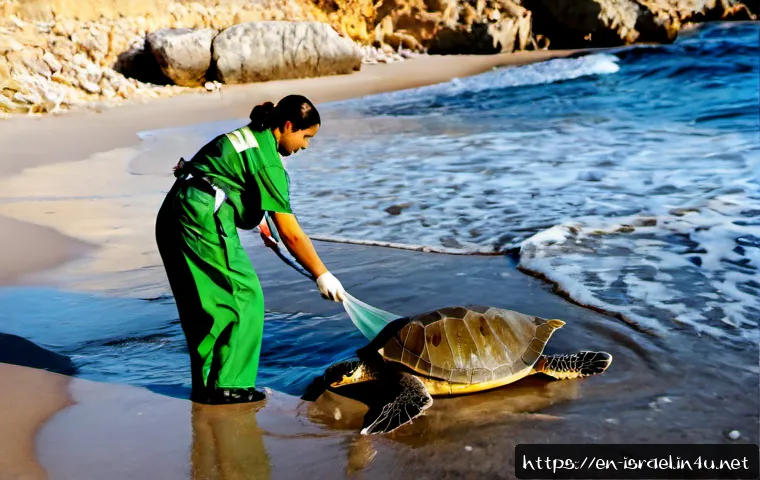
Animal welfare in Israel involves national law, municipal services, shelters, rescue groups, veterinary care, and community action. Learn how to assess responsible adoption, donations, reporting, and service options.
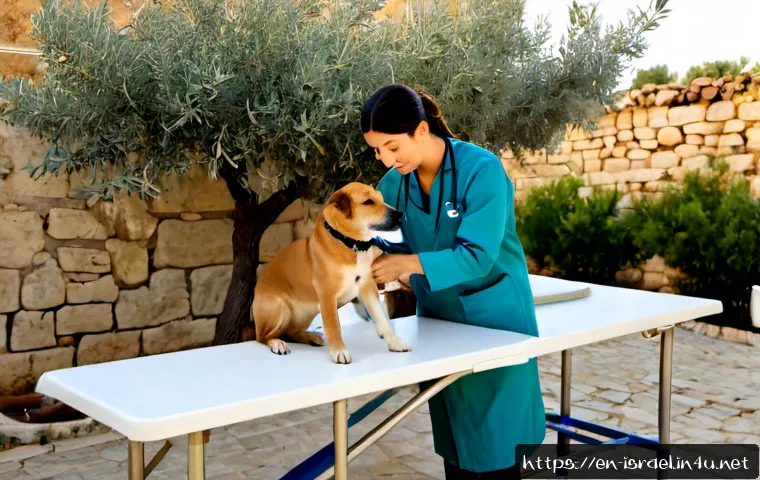
Animal welfare in Israel is supported through a mix of national law, municipal animal services, private veterinary care, shelters, and nonprofit rescue groups.
The right option depends on whether the situation involves an urgent medical need, a stray or suspected neglect case, or a planned adoption or donation decision.
For immediate health concerns, compare local veterinary services first; for reporting and public-safety concerns, municipal channels may be relevant. Adoption and fostering should be approached as long-term commitments, not just a way to help in the moment.
Costs, intake rules, licensing, and waiting times can differ by city and provider, so asking clear questions before committing is important. Responsible support also means knowing when not to move, feed, transport, or treat an animal without guidance.
At a Glance
- Urgent injury or illness: A private veterinary provider may be the most relevant option for assessment and treatment.
- Strays, suspected neglect, or public-health concerns: Municipal animal services may handle reports, licensing matters, and local animal-control issues.
- Adoption, fostering, or ongoing support: Shelters and rescue groups commonly provide screening, foster coordination, medical support, and education.
| Support option | Typical role | Likely cost approach | Response timing | Questions to ask |
|---|---|---|---|---|
| Municipal animal services | Stray animals, reports of suspected neglect, licensing, and local public-health concerns | Services and requirements can vary by municipality | May depend on local capacity and the nature of the report | Does this case fall within your service area? What details or evidence should be provided? |
| Rescue group or shelter | Adoption, foster care, abandoned animals, medical coordination, and education | Adoption fees and support policies vary by organization | Often affected by foster space, intake policies, and volunteer availability | Is intake available? What screening, medical history, and follow-up support are included? |
| Private veterinary clinic | Veterinary assessment, treatment, preventive care, and ongoing pet healthcare | Consultation, treatment, and emergency fees vary by provider and condition | Availability depends on clinic hours and capacity | What care is needed now, what may be needed later, and what are the expected treatment options? |
| Foster-based organization | Temporary home placement, recovery support, adoption matching, and community outreach | Policies for supplies, veterinary care, and foster expenses differ | Placement depends on approved foster homes | Who covers veterinary decisions? What happens if the placement is no longer possible? |
What Animal Welfare Support Looks Like Across Israel
The roles of government, municipalities, veterinary providers, and rescue groups
Israel has an Animal Welfare (Protection of Animals) Law addressing cruelty and the protection of animals. In practice, animal welfare support can involve more than one type of service. National authorities, municipalities, veterinary services, shelters, and nonprofit rescue groups may all have different responsibilities.
Municipal animal services may be relevant when there is a stray animal, a licensing question, a public-health concern, or a report of possible neglect or cruelty. A municipal service is not necessarily the same as a rescue organization. Its role may focus on local administration, reporting, and animal-control responsibilities.
Rescue groups and shelters often work with abandoned dogs and cats. Their support may include foster care, medical treatment coordination, adoption screening, and public education. Their capacity can change, so it is sensible to ask about current intake policies rather than assuming that a group can immediately accept an animal.
Private veterinary clinics are generally the option to compare when an animal needs professional veterinary assessment. This is especially relevant for a companion animal with an apparent injury, sudden illness, or a need for routine preventive care after adoption.
When a concern is urgent and when it requires planned support
A useful first question is: Does this animal need medical assessment now, or does the situation mainly require reporting, placement, or long-term planning? An injured animal and a family researching pet adoption have very different needs.
For a planned decision, take time to compare adoption services, veterinary care options, and the practical commitment involved. For a concern involving suspected neglect, focus on safe observation and reporting rather than trying to confront another person or remove an animal yourself. For an animal that appears sick, frightened, or hurt, avoid assuming that home treatment or casual transport is always safe.
Comparing Rescue, Municipal, and Private Care Options
What each service is generally equipped to handle
There is no single “best” animal welfare service for every situation. A municipality may be the relevant contact for a local stray or a concern that needs an official report. A rescue group may be better suited to foster placement, adoption counseling, and helping an abandoned animal find a home. A veterinary provider may be the right starting point when medical care is the immediate priority.
Before arranging animal transport, ask whether the destination has confirmed intake or an available appointment. Transporting an animal without a clear plan can create stress for the animal and may leave you without a safe next step.
Cost, waiting time, transparency, and follow-up questions to compare
Adoption costs, veterinary fees, licensing requirements, and municipal services can vary by city, animal type, and provider. Instead of relying on a general estimate, ask for a clear explanation of what is included and what may be separate.
- For adoption: ask about screening, medical information, sterilization status if known, and any adoption agreement.
- For veterinary care: ask what the current concern may require, whether follow-up is likely, and how emergency treatment is handled.
- For a rescue group: ask whether the organization has intake capacity, foster availability, and a process for long-term placement.
- For municipal support: ask which reports the service handles and what information is useful for a review.
Transparency matters. A responsible provider should be able to explain its role, the next step, and any conditions that affect service availability. That does not mean every outcome can be promised. It means you can make a better decision with clear information.
Adoption fees versus the longer-term cost of responsible pet care
An adoption fee is only one part of adopting a companion animal. A responsible budget should also consider routine veterinary care, food, licensing where applicable, training, supplies, and the possibility of emergency treatment. Some households also consider pet insurance options, depending on their needs and the available plans.
Before adopting, think beyond the first week. Can you arrange ongoing veterinary care? Is your housing suitable for the animal? Who will help if your work schedule, travel, health, or family responsibilities change? A lower initial adoption cost does not remove the need for stable long-term care.
Responsible Actions for Strays, Neglect Cases, and Injured Animals
How to document concerns safely without escalating risk
If you are concerned about possible neglect or cruelty, focus on accurate, safe documentation. Note the location, time, visible conditions, and what you directly observed. If it can be done safely, photographs may help show the situation. Do not place yourself at risk, enter private property, or escalate a confrontation.
A report may not always lead to the outcome an observer expects. Whether a case meets a legal threshold for enforcement depends on facts and the responsible authority. Provide clear information and ask the relevant municipal service what type of report it can review.
Why food, transport, and home treatment are not always the right first response
Good intentions can still create problems. Feeding a free-roaming animal may not resolve the broader issue, and moving an animal without agreement from a shelter, rescue group, or clinic can complicate its care. A frightened animal may bite, scratch, or flee when approached.
Home treatment is also not a substitute for professional guidance when an animal appears injured or ill. If you are considering transport, first confirm where the animal can be taken and whether the provider is prepared to receive it. This is especially important when veterinary treatment, quarantine considerations, or safe handling may be relevant.
Special caution for wildlife and animals that may be sick or frightened
Wildlife cases should be handled differently from companion-animal cases. An injured wild animal may need professional guidance before anyone attempts to move, feed, or treat it. Avoid treating wildlife as an abandoned pet simply because it appears alone or vulnerable.
Keep a safe distance from animals that seem frightened, defensive, sick, or disoriented. Professional guidance can help determine whether intervention is appropriate and what handling precautions may be needed.
Adoption, Fostering, and Volunteering: Match the Commitment to Your Situation

Questions to ask before adopting a dog, cat, or other companion animal
Adoption works best when the household and animal are a realistic match. Ask practical questions before making an emotional decision:
- Can the household provide consistent food, veterinary care, and daily attention?
- Does the home, rental arrangement, and family routine suit the animal?
- Who will manage training, exercise, transport, and routine appointments?
- What is the plan for unexpected veterinary expenses or urgent care?
- Is the household ready for the animal’s needs over the long term?
Ask the adoption organization what it knows about the animal’s behavior, medical background, and care needs. Information may be incomplete, particularly for animals that were found abandoned, but a responsible discussion is still valuable.
Fostering versus permanent adoption
Fostering can be a meaningful option for people who cannot make a permanent commitment but can offer a temporary home. It may help an animal recover, adjust to home life, or wait for adoption. However, fostering still requires time, space, and reliability.
Before fostering, clarify who coordinates veterinary care, food, supplies, adoption inquiries, and emergency decisions. Ask what happens if your circumstances change. A clear agreement protects both the foster household and the animal.
How skills-based volunteering can help beyond direct animal handling
Not every volunteer role involves handling dogs or cats. Rescue organizations may benefit from people who can help with administration, translation, social media, photography, transport coordination, adoption listings, fundraising, or community education.
This can be a practical way to support animal protection if you have limited space, limited time for direct care, or concerns about working with unfamiliar animals. Ask an organization what skills are currently useful rather than assuming that only hands-on work matters.
Supporting Animal Protection Through Donations and Local Partnerships
How to assess transparency, intended use of funds, and ongoing needs
A charitable donation can support rescue, veterinary treatment, foster care, public education, or other animal welfare needs. Before donating, look for clear communication about the organization’s work and current needs. A credible group should be able to explain the type of support it provides and how donors can contribute.
Ask whether a gift is intended for general operations, medical care, food, foster supplies, transport, or another purpose. Do not assume that a donation is restricted to a specific animal or case unless the organization confirms it.
One-time gifts, recurring support, supply drives, and employer-led initiatives
One-time donations can help with immediate needs, while recurring charitable donations may offer more predictable support for an organization’s ongoing work. Supply drives can be useful when a rescue group has identified specific items it can accept. Employer-led initiatives may also create opportunities for matching gifts, volunteer days, or workplace collection campaigns.
Before organizing a donation drive, confirm the current list of accepted items and delivery process. Storage space and intake needs can change. It is better to send useful supplies or funds than to create a burden with unneeded items.
Choosing the Right Support Option: A Decision Checklist
Choose a veterinary provider when an animal needs professional medical assessment or ongoing healthcare. Contact municipal animal services when the matter involves a stray, suspected neglect, licensing, or a local public-safety concern. Compare rescue groups and shelters when you are considering adoption, fostering, volunteer work, or an abandoned animal that may need placement.
- Confirm whether the provider serves your city and can handle the specific situation.
- Ask about current availability, intake conditions, expected follow-up, and possible fees.
- For adoption, review the long-term budget for routine care, training, supplies, licensing, and emergency treatment.
- For donations, check how funds or supplies will be used and whether current needs are clearly stated.
- For transport, confirm the receiving clinic, shelter, or rescue group before moving the animal.
Compare local veterinary and adoption services before committing. Official guidance, service details, and current conditions should be checked directly with the relevant municipality, clinic, shelter, or rescue organization.
Closing Thoughts
Animal welfare support in Israel is strongest when people match the situation to the right type of help. Veterinary care, municipal reporting, rescue support, adoption, and donations each serve different purposes. A careful first step can reduce stress for both people and animals. When details are uncertain, ask the provider directly rather than relying on outdated listings or assumptions.
Useful Things to Know
Spaying and neutering are widely used tools for managing animal populations, particularly among free-roaming cats and in preventing unplanned litters. Adoption, foster care, and community support are connected: an animal’s path from rescue to a stable home often depends on more than one person or service. Local rules, availability, and costs may differ across cities, so current confirmation is always worthwhile.
Important Notes
Individual shelter capacity, municipal intake rules, veterinary fees, licensing requirements, and cross-border transport or adoption rules can change. This information cannot determine which organization is best for a particular animal or whether a report will result in enforcement action. Wildlife, injured animals, and situations involving possible disease or aggression may require professional guidance before handling or transport.
Frequently Asked Questions
Q1. What should I do if I find a stray dog or cat in Israel?
A1. Start by assessing whether the animal appears injured, sick, frightened, or in immediate danger. For a medical concern, compare nearby veterinary care options. For a stray or local reporting issue, municipal animal services may be relevant. A rescue group may be able to advise on foster care or placement, but availability and intake policies need to be confirmed first.
Q2. How much should I budget before adopting a pet in Israel?
A2. The total depends on the animal, city, provider, and household needs. Consider the adoption fee along with food, routine veterinary care, licensing where applicable, supplies, training, possible insurance options, and emergency treatment. Ask the adoption organization and local veterinary provider for current details rather than relying on a single general figure.
Q3. Is it safer to contact a municipality, rescue group, or private veterinarian for an injured animal?
A3. If the main concern is injury or illness, a private veterinary provider may be the most appropriate first option for professional assessment. Municipal services may be relevant for stray, reporting, or public-health issues, while rescue groups can sometimes assist with foster care or placement. The safest choice depends on the animal’s condition, your location, and which service can currently respond.