As global palates continue to crave authentic and diverse flavors, Israeli cuisine stands out with its rich blend of history and vibrant culture. Lately, food enthusiasts everywhere are diving deeper into traditional recipes that have been passed down through generations, uncovering the stories and techniques behind each dish.
If you’ve ever wondered what makes Israeli cooking so unique, this journey into its culinary secrets will not disappoint. From the essential kitchen tools that bring these recipes to life to the bold, fresh ingredients that define the flavors, there’s so much to explore.
Whether you’re a seasoned cook or just curious about new tastes, get ready to immerse yourself in a world of delicious discovery. Let’s embark on this flavorful adventure together!
Exploring the Heart of Israeli Flavors: Freshness Meets Tradition
The Art of Combining Simple Ingredients
Israeli cuisine thrives on the magical interplay of fresh, vibrant ingredients that come together to create dishes bursting with flavor. What’s fascinating is how these simple elements — tomatoes, cucumbers, olives, and herbs — are elevated by the right balance of seasoning and preparation.
It’s not about complicated sauces or overpowering spices; instead, the freshness of each ingredient shines through, making every bite feel authentic and satisfying.
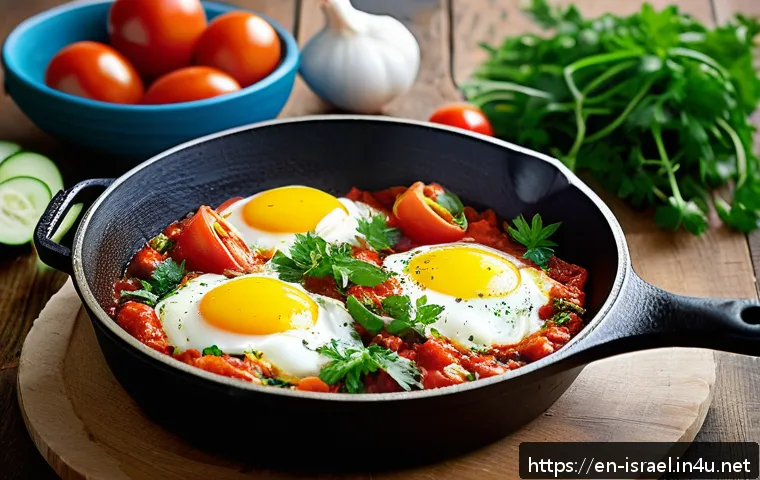
From my own experience cooking shakshuka, the key lies in letting ripe tomatoes simmer slowly with garlic and paprika, allowing the natural sweetness and smoky undertones to blend beautifully.
This straightforward approach to cooking is what gives Israeli food its inviting warmth and unmistakable character.
Bold Spices and Aromatics That Tell a Story
While freshness is essential, Israeli cuisine also embraces bold spices like za’atar, sumac, and baharat, which carry deep cultural significance. These aromatic blends add complexity without overwhelming the palate, giving dishes a layered, earthy flavor profile.
For example, sprinkling za’atar over warm pita bread or mixing it into olive oil for dipping has become a simple ritual that connects people to the land’s history.
I’ve noticed how these spices can transform everyday meals into memorable experiences — a pinch of sumac on a salad adds a tangy brightness that feels both exotic and familiar.
These spices aren’t just flavor enhancers; they are a bridge to the past, reflecting the diverse influences that shaped Israeli cooking.
Seasonal and Regional Influences in Ingredient Choices
One of the things I’ve found most interesting is how Israeli dishes change with the seasons and regions. Coastal areas, for instance, favor fresh fish and seafood, while inland regions incorporate heartier vegetables and grains.
Seasonal produce like figs in late summer or pomegranates in the fall bring distinct textures and flavors to the table, influencing everything from salads to desserts.
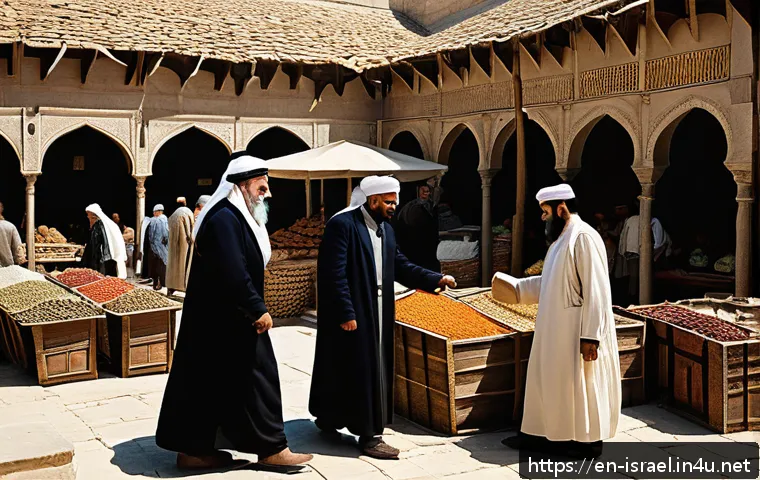
This adaptability not only keeps the cuisine dynamic but also highlights a deep respect for nature’s rhythms. When I visited local markets, the variety of fresh, colorful produce on offer made it clear that Israeli cooking is inseparable from its environment, celebrating each season’s bounty in vibrant, creative ways.
Tools That Bring Israeli Recipes to Life
Essential Kitchen Gear for Authentic Preparation
Cooking Israeli dishes at home really benefits from having a few specialized tools. For instance, a good quality mortar and pestle is invaluable for grinding fresh herbs and spices, releasing their full aroma and flavor.
When I first started making hummus, using a mortar and pestle rather than a food processor made a huge difference — the texture was silkier and the taste richer.
Similarly, a sturdy sauté pan with thick walls helps in evenly cooking shakshuka or frying falafel to crispy perfection. These tools might seem simple, but they play a critical role in achieving the authentic textures and tastes that define Israeli food.
Innovative Gadgets for Modern Twists
While traditional tools are cherished, modern gadgets have found their place in Israeli kitchens too. Air fryers, for example, have become popular for making healthier versions of fried favorites like falafel or schnitzel.
I’ve tried this method myself, and the result was impressively crisp without the heavy oiliness. Similarly, immersion blenders speed up the process of making creamy hummus or tahini sauce without sacrificing quality.
These innovations don’t replace tradition but rather complement it, showing how Israeli cooking embraces both heritage and contemporary convenience.
How Kitchen Tools Affect Final Flavors
It’s fascinating to observe how the choice of tools can subtly influence the outcome of a dish. Hand-chopping vegetables versus using a food processor, for instance, results in different textures that change the eating experience.
I once made tabbouleh by hand and was surprised at how the finely chopped parsley and bulgur felt more vibrant and fresh compared to machine-chopped versions.
Similarly, cooking shakshuka in a cast-iron skillet added a unique char and depth to the tomato base that I hadn’t achieved with a regular pan. These small differences in technique and equipment highlight the craft behind Israeli cooking, reminding us that flavor is often in the details.
The Soul Behind Signature Israeli Dishes
Shakshuka: A Comfort Food with a Fiery Kick
Shakshuka is one of those dishes that instantly evokes a sense of home and hospitality. The combination of poached eggs nestled in a spiced tomato sauce is deceptively simple but incredibly satisfying.
I remember the first time I made shakshuka from scratch — slowly simmering the sauce with fresh garlic, onions, and smoky paprika filled my kitchen with such an inviting aroma that friends gathered around before the dish was even ready.
It’s a dish that invites sharing, perfect for breakfast, lunch, or dinner, and its variations across different households make it a delicious symbol of family traditions.
Hummus: More Than Just a Dip
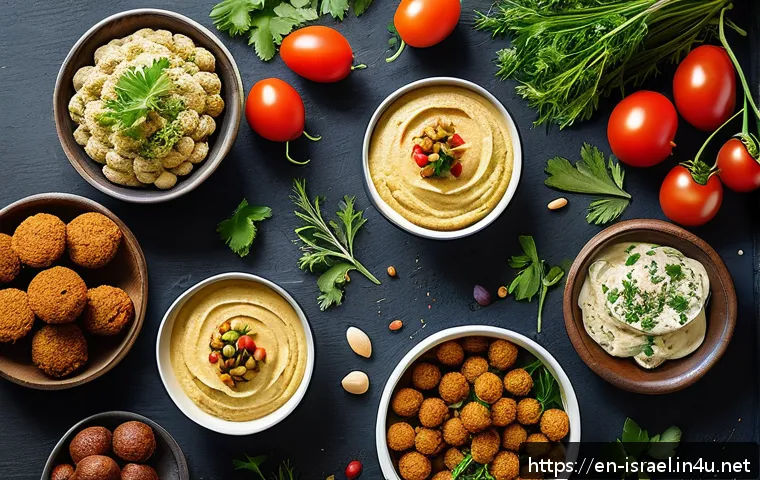
Hummus is arguably the most iconic Israeli dish, yet it’s so much more than a simple chickpea spread. The process of making hummus — soaking chickpeas overnight, blending them with tahini, lemon, and garlic — is a labor of love that pays off in the creamy, rich texture.
In my kitchen, I like to add a drizzle of quality olive oil and a sprinkle of paprika or pine nuts on top, turning it into a centerpiece rather than just a side.
Hummus embodies the essence of Israeli hospitality — generous, nourishing, and endlessly adaptable to different tastes.
Falafel: Crispy Bites of Tradition
Falafel’s appeal lies in its crunchy exterior and soft, herb-filled interior. It’s a street food staple that has gained worldwide recognition, yet its roots in Israeli cuisine remain strong.
I’ve experimented with different falafel recipes, and what I’ve learned is that the key is soaking the chickpeas just right and frying them at the correct temperature to achieve that perfect golden crust.
Eating falafel wrapped in warm pita with fresh vegetables and tahini sauce is a flavor-packed experience that’s both casual and deeply satisfying. It’s a dish that effortlessly brings people together around the table.
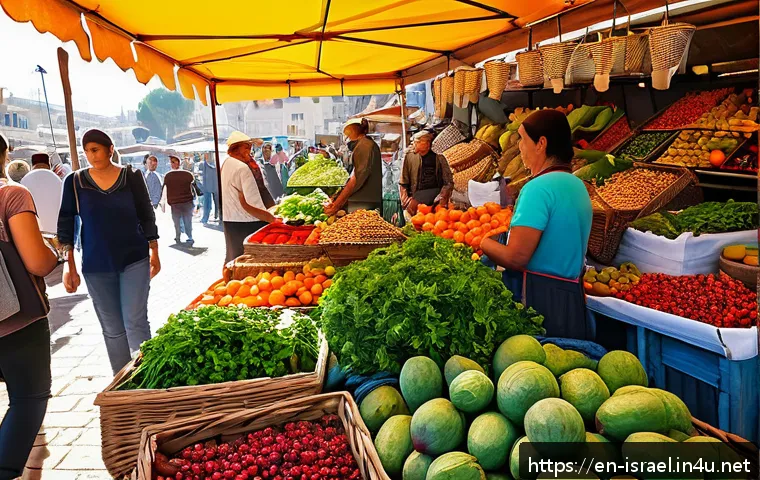
Understanding the Role of Fresh Herbs and Greens
Herbs as Flavor Enhancers and Garnishes
In Israeli cooking, fresh herbs are not just an afterthought but a vital component that lifts the entire dish. Parsley, cilantro, mint, and dill frequently appear, adding brightness and complexity.
I’ve found that adding fresh herbs at the end of cooking preserves their aroma and freshness, giving each bite a burst of flavor. For example, a sprinkle of chopped mint on a cucumber salad transforms it into something refreshing and lively.
These herbs also provide a visual appeal with their vivid green hues, making the dishes more inviting and appetizing.
Greens and Their Textural Contributions
Beyond flavor, leafy greens like Swiss chard, spinach, and amaranth add texture and nutrition to Israeli meals. Whether sautéed simply with garlic or incorporated into savory pies like burekas, these greens contribute earthiness and a tender bite.
When I prepared stuffed grape leaves with a filling rich in rice, herbs, and spices, the interplay of textures between the tender leaves and the filling was a revelation.
The greens not only complement but also balance the richness of other ingredients, making the dishes feel wholesome and satisfying.
The Health Boost from Fresh Produce
One of the reasons Israeli cuisine feels so vibrant and nourishing is the heavy reliance on fresh vegetables and herbs. This focus aligns with Mediterranean dietary principles, emphasizing health without sacrificing flavor.
In my experience, meals loaded with fresh produce are not only delicious but also leave you feeling energized and satisfied rather than weighed down. This balance between taste and wellness is something I appreciate deeply, especially when cooking for friends who value both indulgence and nutrition.
How Cultural Diversity Shapes Israeli Food Today
Influences from Middle Eastern and Mediterranean Traditions
Israeli cuisine is a melting pot of culinary traditions from across the Middle East and Mediterranean. This fusion is evident in dishes that combine ingredients and techniques from various cultures, creating something uniquely Israeli.
For example, the use of tahini sauce, common in Levantine cooking, pairs perfectly with local ingredients like eggplant and chickpeas. I’ve seen how the sharing of recipes among diverse communities adds richness to the food culture, making every meal a celebration of heritage and innovation.
Immigrant Contributions to the Culinary Landscape
The waves of immigration to Israel have brought an incredible variety of cooking styles and flavors that continue to evolve the cuisine. North African spices, Eastern European baking techniques, and Yemenite grilling methods all contribute to the rich tapestry of Israeli food.
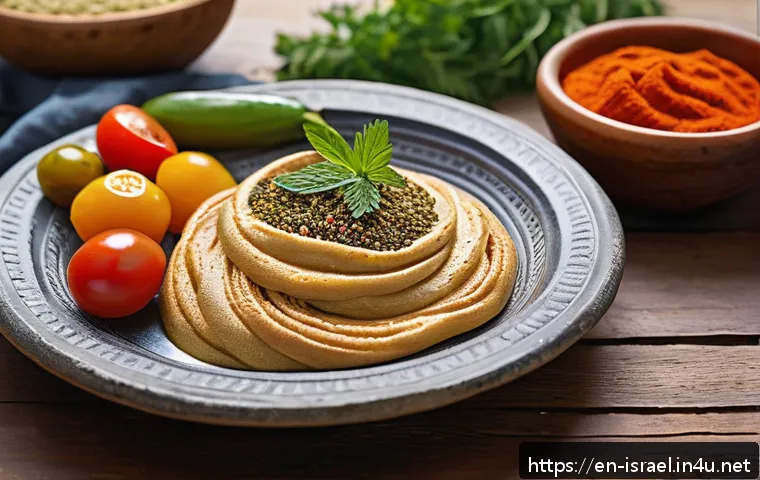
When I tried making Yemenite malawach, a flaky fried bread, I realized how these immigrant influences have been embraced and adapted in everyday cooking.
This blend of traditions creates a dynamic food culture that honors its past while welcoming new ideas.
The Modern Israeli Food Movement
Recently, there’s been a surge in chefs and home cooks reinterpreting traditional recipes with a modern twist, focusing on local, organic ingredients and innovative presentations.
This movement has sparked a renewed interest in artisanal products like handmade cheeses and craft olive oils. From my conversations with culinary enthusiasts, it’s clear that this trend is about respecting roots while pushing boundaries.
Whether it’s reinventing classic hummus with unexpected toppings or creating plant-based versions of beloved dishes, the modern Israeli food scene is vibrant and inspiring.
Comparing Popular Israeli Ingredients and Their Uses
| Ingredient | Typical Use | Flavor Profile | Common Pairings |
|---|---|---|---|
| Chickpeas | Hummus, falafel, stews | Nutty, creamy when mashed | Tahini, garlic, lemon |
| Tahini | Dips, sauces, dressings | Rich, slightly bitter, creamy | Chickpeas, lemon, parsley |
| Za’atar | Seasoning for bread, meats, salads | Herbaceous, tangy, earthy | Olive oil, pita, labneh |
| Sumac | Salads, marinades, garnishes | Tart, lemony | Onions, tomatoes, grilled meats |
| Eggplant | Baba ganoush, roasted dishes | Smoky, creamy when cooked | Garlic, tahini, tomatoes |
Closing Thoughts
Israeli cuisine beautifully balances freshness and tradition, creating dishes full of vibrant flavors and rich cultural stories. Experiencing the harmony of simple ingredients and bold spices reveals why these recipes have stood the test of time. Whether cooking classic dishes or exploring modern twists, the heart of Israeli food lies in its warmth and inclusiveness. This culinary journey invites everyone to savor a taste of history and community.
Useful Tips to Remember
1. Always use the freshest ingredients available to capture authentic Israeli flavors and textures. Fresh herbs and seasonal produce make a significant difference.
2. Don’t rush the cooking process, especially for dishes like shakshuka and hummus—slow simmering and proper soaking elevate taste and texture.
3. Invest in key kitchen tools like a mortar and pestle or a heavy sauté pan to enhance the quality and authenticity of your cooking.
4. Experiment with traditional spices such as za’atar, sumac, and baharat to add depth and cultural richness to everyday meals.
5. Embrace the diversity of Israeli cuisine by trying recipes influenced by various immigrant traditions and modern culinary innovations.
Key Takeaways
Israeli cooking thrives on the synergy between fresh, simple ingredients and bold, meaningful spices that reflect a rich cultural heritage. The choice of kitchen tools and cooking techniques plays a crucial role in achieving authentic flavors and textures. Seasonal and regional variations highlight a deep connection to nature and community. Understanding these elements allows anyone to appreciate and recreate the vibrant, welcoming spirit found in every Israeli dish.
Frequently Asked Questions (FAQ) 📖
Q: What are the key ingredients that define Israeli cuisine?
A: Israeli cuisine is all about fresh, vibrant ingredients that reflect the country’s diverse cultural tapestry. Staples like olive oil, tahini, fresh herbs (think parsley and mint), garlic, and sumac give many dishes their distinctive flavor.
You’ll also find a heavy emphasis on fresh vegetables—tomatoes, cucumbers, eggplants—and legumes such as chickpeas and lentils. These ingredients aren’t just chosen for taste but for their historical and regional significance, making every bite a connection to the land and its people.
Q: What essential kitchen tools should I have to cook authentic Israeli dishes at home?
A: From my experience, a few tools really make a difference when diving into Israeli cooking. A good mortar and pestle is invaluable for grinding spices and making fresh tahini or herb pastes.
A sharp chef’s knife helps with the abundance of fresh vegetables that need precise chopping. Also, a cast-iron skillet or heavy-bottomed pan is great for sautéing and roasting.
And don’t overlook a good blender or food processor for creamy hummus and smooth sauces. These tools help bring out the authentic textures and flavors that define Israeli dishes.
Q: How can I start exploring Israeli cuisine if I’m new to it?
A: Honestly, the best way to start is by trying a few iconic, approachable dishes that showcase the cuisine’s soul. Think hummus with warm pita, shakshuka (eggs poached in spicy tomato sauce), or a fresh Israeli salad.
These dishes are straightforward but packed with flavor, giving you a genuine taste of the culture. Cooking them at home lets you experiment with spices and ingredients at your own pace.
Plus, exploring local markets or specialty stores for authentic ingredients adds an extra layer of fun and discovery to the whole experience.