Lately, the world has been buzzing with a renewed appreciation for cultural heritage expressed through the arts, and Israel’s dance scene is no exception.
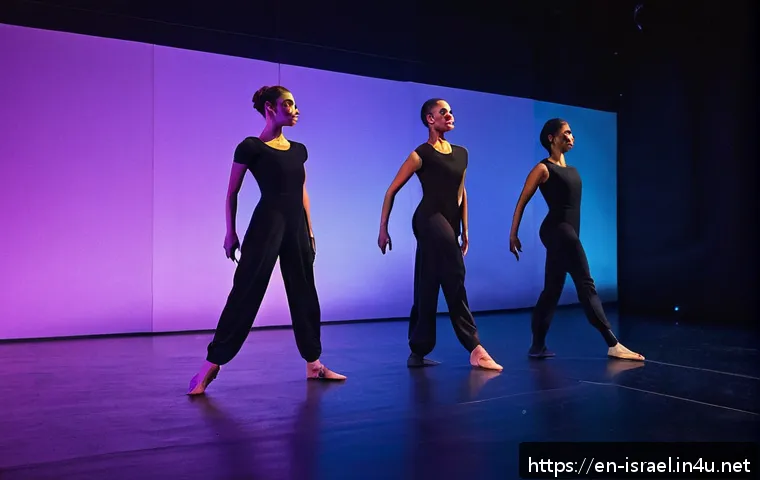
From ancient rituals that once echoed through sacred spaces to the dazzling performances lighting up contemporary theaters, Israeli dance tells a story of resilience, innovation, and identity.
Whether you’re a dance enthusiast or simply curious about how tradition evolves into modern artistry, this journey through Israel’s dance evolution offers fresh insights and inspiring narratives.
Let’s dive into how centuries-old movements have transformed into today’s captivating stage masterpieces, reflecting both history and modern creativity.
Get ready to uncover a vibrant tapestry woven with passion, culture, and artistic brilliance.
Roots and Rhythms: The Ancient Echoes in Israeli Dance
Ritual Movements and Sacred Spaces
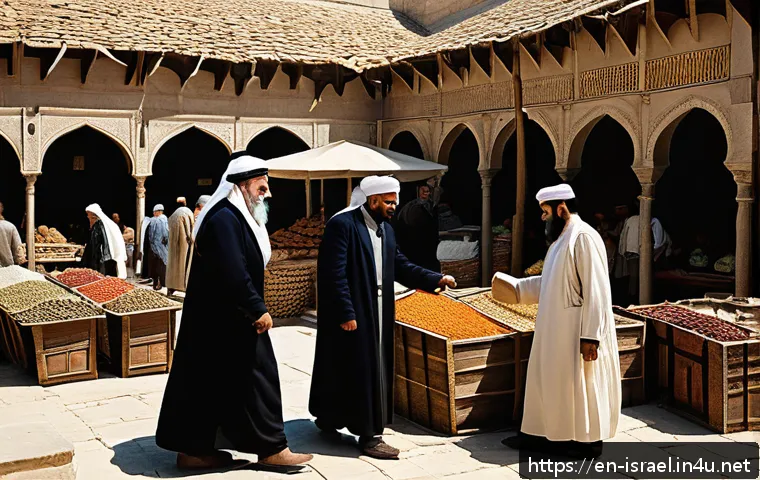
Long before the bright lights of modern theaters, dance in Israel was deeply intertwined with spiritual and communal rituals. These ancient movements were not just performances but acts of devotion, storytelling, and social bonding.
I’ve come across descriptions of dances performed in open courtyards, near water sources, or around fires—each gesture carrying symbolic weight. These rituals often celebrated seasons, harvests, or significant life events, and their repetitive patterns aimed to connect participants with a higher power or the natural world.
The grace and rhythm embedded in these dances reveal a profound relationship between the body and spirituality that still influences contemporary interpretations today.
Folk Traditions and Their Lasting Influence
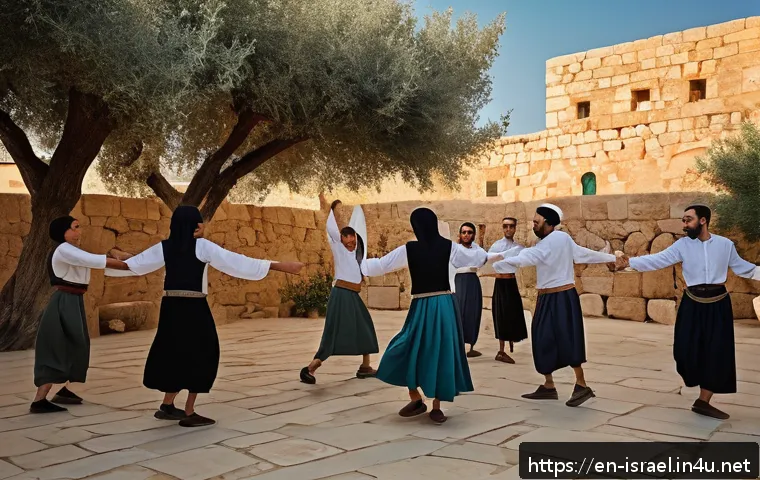
Folk dance traditions like the Hora have become synonymous with Israeli culture, and their infectious energy continues to captivate audiences worldwide.
Experiencing a Hora circle firsthand, you feel the powerful sense of unity and celebration. What’s fascinating is how these dances served as both entertainment and preservation tools for cultural identity, especially during times of upheaval and migration.
The steps, the music, and the communal spirit are more than just performance elements—they are living memories passed down through generations, keeping a collective story alive and vibrant.
Preservation Amidst Change
What really struck me is how these traditional dances have been preserved despite the pressures of modernization and globalization. Communities have maintained these art forms through festivals, educational programs, and family gatherings, ensuring they remain accessible and meaningful.
This continuity provides a foundation upon which contemporary choreographers build, blending the old with the new in ways that respect heritage while pushing creative boundaries.
The delicate balance between honoring tradition and embracing innovation is what makes Israeli dance so dynamic and authentic.
Innovative Movements: The Birth of Contemporary Israeli Dance
The Pioneers Who Shaped a New Language
When I first explored the evolution of Israeli dance, I was captivated by the stories of visionaries like Gertrud Kraus and Ohad Naharin. These pioneers didn’t just introduce new techniques; they redefined what dance could express in Israeli society.
Kraus brought European modern dance influences, infusing them with local themes, while Naharin’s Gaga movement language introduced a completely fresh approach to body awareness and improvisation.
Their work wasn’t just about aesthetics—it reflected the complexities of identity, conflict, and hope in a young nation finding its voice through movement.
Blending Cultures and Styles
The contemporary Israeli dance scene is a melting pot of influences—Middle Eastern rhythms meet Western contemporary forms, traditional motifs merge with avant-garde experimentation.
This fusion creates a unique vocabulary that resonates globally. From what I’ve seen in performances, the choreography often challenges conventional narratives, incorporating social commentary, political themes, and personal stories.
It’s this fearless blending that makes Israeli contemporary dance so compelling; it’s constantly evolving, unpredictable, and deeply human.
From Stage to Screen and Beyond
Another exciting development is how Israeli dance has embraced multimedia and digital platforms. Choreographers are now collaborating with visual artists, filmmakers, and musicians to create immersive experiences that reach wider audiences.
I recall watching a live-streamed performance that combined dance with interactive lighting and real-time video projections—an entirely new way to engage with the art form.
This adaptability not only expands the reach of Israeli dance but also invites fresh interpretations and audience participation, fueling its ongoing evolution.
Dance as a Mirror of Society and Identity
Reflecting Cultural Diversity
Israeli dance vividly mirrors the country’s rich cultural mosaic. The diverse backgrounds of dancers and choreographers—from Mizrahi and Ashkenazi Jews to Druze and Bedouin communities—bring a kaleidoscope of stories and movement styles to the stage.
This diversity enriches the artistic landscape and fosters dialogue about identity, belonging, and coexistence. I’ve witnessed performances where traditional Middle Eastern dance seamlessly intertwines with contemporary choreography, creating a powerful narrative about shared histories and cultural pride.
Addressing Social and Political Themes
Dance in Israel often serves as a potent medium for exploring complex social and political realities. Choreographers use movement to question, protest, and envision alternatives to conflict and inequality.
For example, some works poignantly address issues such as immigration, gender roles, and peace-building. Experiencing these performances evokes a strong emotional response, as the physicality of dance transcends language barriers and invites empathy.
It’s clear that Israeli dance is not just entertainment but a vital platform for societal reflection and change.
Community Engagement and Education
What I find particularly inspiring is how dance is used as a tool for community building and education across Israel. Programs that integrate dance into schools and neighborhood centers help young people connect with their heritage and express their identities creatively.
These initiatives promote inclusivity and empower marginalized groups through artistic expression. Participating in or witnessing these grassroots efforts reveals the profound impact dance has beyond the stage—it’s a catalyst for social cohesion and personal growth.
Global Recognition and Artistic Exchange
International Collaborations and Festivals
Israeli dance companies have made impressive strides on the global stage, performing at renowned festivals and theaters worldwide. These international collaborations enrich the local scene and introduce fresh perspectives.
From what I’ve gathered attending some events, the exchange goes both ways—Israeli artists absorb global trends while sharing their distinct voice and style.
This cross-pollination sparks innovation and broadens the reach of Israeli dance, making it a vibrant part of the global contemporary dance community.
Influential Israeli Dance Companies
Companies like Batsheva Dance Company and Kibbutz Contemporary Dance Company have become cultural ambassadors. Their groundbreaking work combines technical excellence with deeply expressive storytelling.
I had the chance to watch a Batsheva performance where the dancers’ physical intensity and emotional depth left the audience breathless. These companies not only push artistic boundaries but also mentor emerging talent, ensuring the future of Israeli dance remains bright and inventive.
Dance Education and Professional Training
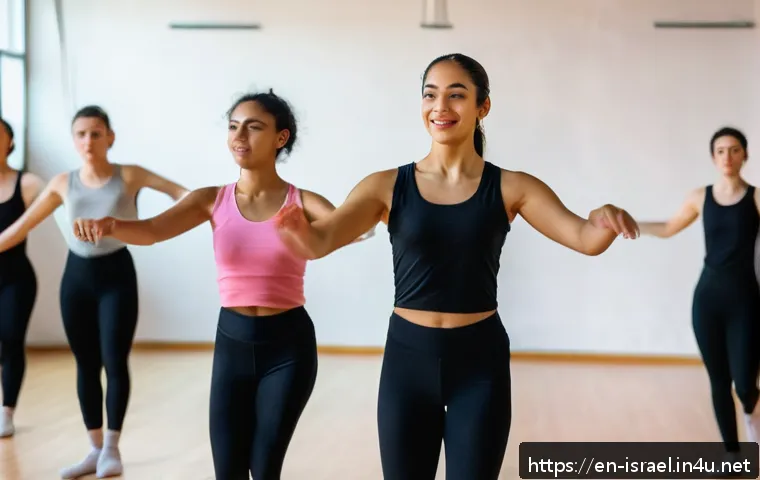
The rise of specialized dance academies and workshops in Israel supports the cultivation of world-class dancers and choreographers. Institutions emphasize both technical skill and creative exploration, nurturing artists who can compete internationally.
I’ve heard from dancers that this rigorous training, combined with exposure to diverse styles, equips them with versatility and confidence. This professional foundation is critical for sustaining the momentum of Israeli dance on the global map.
Technological Integration in Dance Creation and Performance
Innovative Use of Digital Media
Technology is increasingly shaping how Israeli dance is created and experienced. Choreographers incorporate motion capture, virtual reality, and interactive installations to explore new dimensions of movement and audience engagement.
I recently saw a project where dancers’ movements controlled digital imagery in real time, creating a mesmerizing dialogue between body and machine. This fusion opens exciting possibilities for storytelling and expands the sensory impact of dance performances.
Online Platforms and Accessibility
The pandemic accelerated the adoption of online platforms, making Israeli dance accessible to global audiences like never before. Streaming services, virtual classes, and social media have transformed how people discover and participate in dance.
From my experience, watching a live-streamed Israeli dance show from the comfort of home felt surprisingly intimate and immediate. This digital shift not only broadens reach but also democratizes access, allowing more diverse audiences to connect with the art form.
Challenges and Future Prospects
While technology offers incredible opportunities, it also presents challenges such as maintaining artistic integrity and managing the balance between live and virtual experiences.
Artists must navigate these waters carefully to preserve the emotional and physical immediacy that makes dance so powerful. Looking ahead, I’m excited to see how Israeli choreographers continue to innovate, blending tradition with cutting-edge tools to create performances that are both rooted and revolutionary.
Mapping the Landscape: Key Elements of Israeli Dance Evolution
| Aspect | Traditional Influence | Contemporary Innovation | Social Impact |
|---|---|---|---|
| Movement Style | Ritual gestures, folk steps, communal circles | Improvisation, Gaga technique, fusion of genres | Expression of identity, protest, cultural dialogue |
| Performance Spaces | Open-air sacred sites, communal gatherings | Theaters, multimedia installations, digital platforms | Community engagement, global outreach |
| Artistic Figures | Traditional elders, folk dancers | Choreographers like Naharin, Kraus, contemporary companies | Mentorship, education, cultural ambassadors |
| Audience Experience | Participatory, collective celebration | Reflective, immersive, multi-sensory | Emotional connection, social awareness |
Crossroads of Tradition and Innovation: The Future Path of Israeli Dance
Emerging Voices and New Narratives
The next generation of Israeli dancers and choreographers is boldly redefining what dance means in a rapidly changing world. I’ve had the pleasure of following young artists who blend personal stories with global issues, crafting performances that resonate on multiple levels.
Their work often challenges conventions and explores themes like technology, migration, and environmental concerns, signaling a vibrant future where dance remains a powerful form of cultural expression and activism.
Balancing Heritage with Experimentation
Maintaining a connection to roots while embracing experimentation is a constant balancing act. From what I’ve observed, this dynamic tension fuels creativity and keeps the scene fresh.
Artists are not afraid to revisit ancient forms and reimagine them through contemporary lenses, creating a dialogue between past and present. This approach ensures that Israeli dance remains relevant and meaningful, honoring tradition without being confined by it.
Global Impact and Local Resonance
As Israeli dance continues to gain international acclaim, it also deepens its resonance within local communities. This dual impact strengthens cultural pride and fosters a sense of shared identity.
I believe this interplay between global influence and local significance is what makes Israeli dance uniquely compelling—rooted in history yet continuously evolving, speaking to both the heart and the world stage.
Conclusion
Israeli dance beautifully intertwines tradition and innovation, offering a rich tapestry of cultural expression. Its deep roots in ritual and community continue to inspire groundbreaking contemporary work. As the dance scene evolves, it remains a vibrant reflection of identity, history, and social dialogue, captivating audiences both locally and globally.
Useful Information
1. Israeli dance blends ancient rituals with modern techniques, creating a unique movement language.
2. Folk dances like the Hora play a vital role in preserving cultural heritage and fostering community.
3. Pioneering choreographers such as Gertrud Kraus and Ohad Naharin have reshaped the contemporary dance landscape.
4. Dance serves as a powerful platform for addressing social and political issues in Israel.
5. Technological advancements and online platforms are expanding the reach and accessibility of Israeli dance worldwide.
Key Takeaways
Israeli dance thrives on the delicate balance between honoring longstanding traditions and embracing innovative approaches. It acts as a mirror of the country’s diverse cultural fabric while engaging with pressing social themes. Through community involvement, professional training, and global exchange, Israeli dance continues to grow as a dynamic and influential art form that resonates deeply both at home and abroad.
Frequently Asked Questions (FAQ) 📖
Q: How has traditional Israeli dance influenced contemporary performances?
A: Traditional Israeli dance, deeply rooted in folk and ritualistic movements, provides the foundational language for many contemporary choreographers. These age-old steps and rhythms offer a rich cultural context that modern dancers reinterpret with new techniques and styles.
This blend creates performances that honor heritage while pushing creative boundaries, making the dance both a tribute to the past and a fresh artistic expression.
Experiencing a show where you can spot these traditional elements reimagined brings a unique sense of connection and continuity.
Q: What makes Israeli dance distinct compared to other dance forms worldwide?
A: Israeli dance stands out for its fusion of diverse cultural influences, reflecting the country’s mosaic of ethnic backgrounds and historical experiences.
It combines Middle Eastern, Eastern European, and Mediterranean rhythms with a strong narrative focus on identity, survival, and community. Unlike purely technical dance styles, Israeli dance often carries deep emotional storytelling, making it not just a physical art but a powerful medium of cultural expression.
When you watch it live, you can feel the passion and resilience embedded in each movement.
Q: Can newcomers to dance appreciate Israeli dance without prior experience?
A: Absolutely! Israeli dance is known for its accessibility and communal spirit. Many traditional dances are designed for group participation, emphasizing joy, connection, and celebration rather than technical perfection.
Even if you’re new to dance, watching or joining a session can be incredibly rewarding. The energy is infectious, and the movements are often repetitive and easy to follow, making it a welcoming entry point into the world of dance.
Personally, I’ve found that engaging with these dances creates a wonderful sense of belonging and cultural appreciation, regardless of skill level.