The Israel-Palestine conflict remains one of the most intricate and deeply rooted disputes in modern history, capturing global attention amid ongoing tensions and recent developments.
Understanding its complex past is crucial to making sense of today’s headlines and the hopes for future peace. Whether you’re a casual observer or someone seeking a clearer picture, diving into the key events that shaped this conflict will shed light on the layers of history behind the headlines.
Let’s explore the turning points that have defined this enduring struggle and why it continues to resonate worldwide. Stick around—this journey through history might just change the way you see the present.
Roots of the Conflict: From Ottoman Rule to British Mandate
The Ottoman Legacy and Early Tensions
Before the 20th century, the land known today as Israel and Palestine was part of the Ottoman Empire for centuries. Life under Ottoman rule was marked by a diverse population consisting of Muslims, Christians, and Jews living relatively peacefully in small communities.
However, as the empire began to weaken in the late 19th century, nationalist movements began to grow across the region. Zionism emerged as a political movement among Jews seeking to establish a homeland in Palestine, while Arab nationalism also started to take shape.
This set the stage for future clashes as both groups laid claim to the same territory, each with their own historical and cultural attachments.
The British Mandate and Rising Conflicts
Following World War I and the collapse of the Ottoman Empire, Britain took control of Palestine under the League of Nations Mandate. The British promised conflicting things: the Balfour Declaration supported a Jewish national home, while also assuring Arab inhabitants that their rights would be protected.
This contradictory stance fueled mistrust. Jewish immigration increased, particularly during the 1930s with the rise of Nazi persecution in Europe, leading to growing Arab resentment.
Violent clashes, strikes, and uprisings became more frequent, illustrating the deepening divisions and the difficulty of British administration trying to balance competing demands.
Key Developments in the Mandate Period
During this era, several pivotal moments pushed the conflict forward: the 1929 Hebron massacre shocked the world as Jewish residents were attacked by Arab mobs; the 1936-1939 Arab Revolt challenged British rule and Jewish immigration; and the British White Papers attempted to limit Jewish immigration, which was met with strong opposition from Zionists.
These events laid the groundwork for the eventual partition plans and the intensifying struggle over sovereignty and identity.
The 1948 War and the Creation of Israel
Partition Plan and Its Fallout
In 1947, the United Nations proposed partitioning Palestine into separate Jewish and Arab states, with Jerusalem under international control. While Jewish leaders accepted the plan, Arab leaders rejected it, seeing it as unfair and a violation of the rights of the Arab majority.
This rejection led to escalating violence between Jewish and Arab communities even before the British officially left. The atmosphere was charged with fear, uncertainty, and mounting hostility.
War and Displacement
When Israel declared independence in May 1948, neighboring Arab states immediately launched a military intervention. The resulting war was brutal and reshaped the map dramatically.
Hundreds of thousands of Palestinians fled or were expelled from their homes, an event Palestinians call the Nakba, or “catastrophe.” For Israelis, this war was a fight for survival and the fulfillment of a national dream.
The war ended with armistice agreements in 1949, but no formal peace, and the borders drawn then have remained contentious ever since.
The Aftermath and Refugee Crisis
The consequences of the 1948 war are still deeply felt today. Over 700,000 Palestinians became refugees, scattered across neighboring countries and territories.
Their right to return remains one of the most sensitive and unresolved issues. Meanwhile, Israel solidified its statehood and began absorbing Jewish immigrants from around the world.
This period established the core narratives that fuel the ongoing conflict: one side focused on survival and state-building, the other on loss and displacement.
Occupation and Settlements: Shifting Realities Since 1967
The Six-Day War and Territorial Changes
The 1967 Six-Day War was a dramatic turning point. Israel fought against Egypt, Syria, and Jordan and emerged victorious in just six days, capturing the West Bank, Gaza Strip, East Jerusalem, Sinai Peninsula, and Golan Heights.
These territorial gains changed the conflict’s dynamic profoundly. The occupation of the West Bank and Gaza brought millions of Palestinians under Israeli military control, sparking debates over land rights, security, and governance that persist today.
Growth of Settlements and International Responses
Following 1967, Israel began establishing settlements in the occupied territories, housing Israeli citizens in areas Palestinians claim for their future state.
The international community largely considers these settlements illegal under international law, though Israel disputes this. Over decades, settlement expansion has created facts on the ground that complicate peace negotiations and fuel Palestinian frustration.
This has also led to frequent clashes, protests, and international diplomatic efforts to address the issue.
Life Under Occupation
For Palestinians living in the West Bank and Gaza, daily life includes navigating checkpoints, restricted movement, and economic hardships. The occupation impacts social, economic, and political life profoundly.
Many Palestinians experience a lack of access to basic services and face uncertainty about their future. Meanwhile, Israelis living in settlements often feel isolated and under threat, creating a cycle of fear and mistrust that feeds into the broader conflict.
Peace Efforts and Missed Opportunities
The Oslo Accords and Hopes for Peace
In the 1990s, the Oslo Accords marked a hopeful moment when Israeli and Palestinian leaders met face-to-face to negotiate a two-state solution. The agreements established the Palestinian Authority and set frameworks for limited self-governance in parts of the West Bank and Gaza.
For the first time, there was a clear vision of coexistence. However, many key issues like Jerusalem’s status, refugees, and borders were left unresolved, and the optimism was soon overshadowed by violence and political setbacks.
Continued Violence and Political Shifts
The peace process faced numerous challenges: outbreaks of violence like the Second Intifada, political assassinations, and shifting leadership on both sides.
Each flare-up hardened attitudes, making compromises more difficult. Meanwhile, internal Palestinian divisions and Israeli political changes complicated negotiations further.
The cycle of hope and disappointment has left many disillusioned, but the desire for peace remains strong among ordinary people.
The Role of International Actors
Global powers and regional players have frequently attempted to mediate peace, with varying degrees of success. The United States, European Union, Arab League, and United Nations have all played roles in proposing solutions and providing aid.
However, external involvement sometimes adds complexity, as each actor brings its own interests and biases. Understanding these dynamics is crucial to grasping why peace remains elusive.
Human Stories Behind the Headlines
Everyday Life Amid Conflict
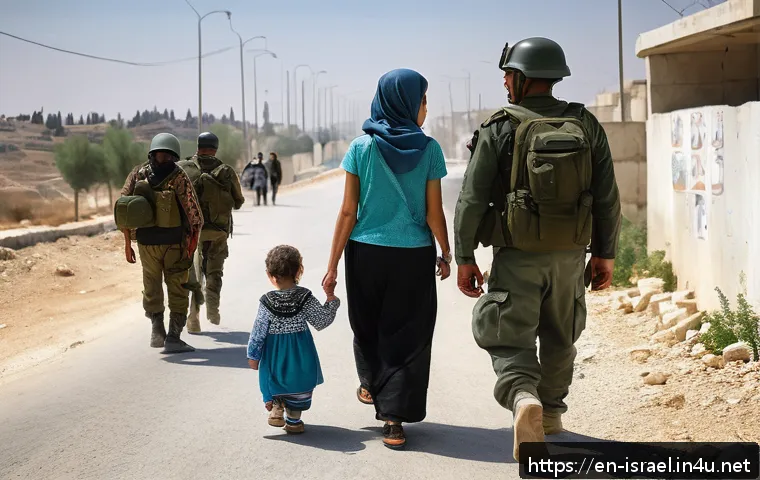
Beyond the politics and history, the conflict affects real people in deeply personal ways. Families live with the trauma of violence, displacement, and uncertainty.
Children grow up amid checkpoints, barriers, and a constant awareness of tension. Yet, amid hardship, stories of resilience, friendship, and hope emerge.
Many Israelis and Palestinians work together for peace and mutual understanding, showing that beneath the conflict lies a shared humanity.
Voices of Peace and Resistance
There are countless grassroots movements and individuals advocating for nonviolence and reconciliation. These voices often get lost in the noise of headlines dominated by conflict and political rhetoric.
Their experiences reveal the complexity of identity and the powerful desire for a future where coexistence is possible. Listening to these stories adds depth to our understanding and reminds us that peace is not just a political goal but a human necessity.
The Impact on Mental Health and Society
Living in a protracted conflict zone takes a heavy toll on mental health for both Palestinians and Israelis. Anxiety, PTSD, and trauma are widespread, affecting communities and shaping future generations.
Addressing these challenges is essential for any lasting peace effort. Programs focused on healing and dialogue are increasingly recognized as vital components of the peace process, emphasizing that reconciliation must happen on many levels.
Mapping the Conflict: Key Territories and Events
| Event/Period | Description | Significance |
|---|---|---|
| Ottoman Rule (pre-1917) | Diverse population under Ottoman Empire; early coexistence and rising nationalist sentiments. | Foundation of competing national identities. |
| British Mandate (1917–1948) | British control with conflicting promises; increased Jewish immigration; escalating tensions. | Set stage for partition and conflict. |
| 1948 Arab-Israeli War | Israel’s independence and subsequent war; Palestinian displacement (Nakba). | Creation of Israel; refugee crisis. |
| 1967 Six-Day War | Israel captured West Bank, Gaza, East Jerusalem, and other territories. | Start of occupation and settlement issue. |
| Oslo Accords (1990s) | Peace negotiations and limited Palestinian self-rule. | First formal attempt at two-state solution. |
Current Challenges and the Path Forward
Political Fragmentation and Leadership Struggles
Both Israeli and Palestinian political landscapes are fragmented, with multiple parties and factions holding divergent views on peace and conflict. Leadership changes and internal divisions often stall progress, and extremist voices can dominate public discourse.
This political complexity makes it difficult to negotiate agreements that satisfy all stakeholders, leaving the status quo largely intact.
Security Concerns and Military Actions
Security remains a paramount concern for Israelis, who face threats from militant groups and rocket attacks. For Palestinians, military occupation and restrictions create daily hardships and fuel resentment.
Military actions on both sides often lead to cycles of retaliation, making it hard to break free from violence. Balancing security with human rights and freedom is one of the conflict’s most challenging aspects.
International Diplomacy and Grassroots Initiatives
While official diplomatic efforts continue, many believe that true progress will come from grassroots initiatives promoting dialogue and cooperation. International actors can support these efforts by encouraging inclusive negotiations and addressing humanitarian needs.
The future depends on creating conditions where both peoples can envision a shared future, rather than zero-sum outcomes.
The Role of Media and Perception in Shaping Narratives
The Power of Storytelling
Media coverage shapes global perceptions of the conflict, often influencing public opinion and policy. However, narratives can be one-sided or oversimplified, missing the nuances and human stories behind the headlines.
Recognizing bias and seeking diverse perspectives helps build a more complete understanding and fosters empathy.
Social Media and Citizen Journalism
In recent years, social media has transformed how information is shared, allowing individuals on the ground to tell their own stories in real-time. This democratization of information can expose injustices and mobilize international support but can also spread misinformation and inflame tensions.
Navigating this complex media landscape is essential for anyone trying to grasp the conflict’s reality.
Impact on Global Public Opinion
The Israel-Palestine conflict resonates worldwide, influencing international relations, diaspora communities, and global activism. People’s views are often shaped by cultural, religious, or political affiliations, making dialogue challenging but necessary.
Understanding how narratives are constructed and challenged can help break down barriers and promote more informed conversations.
In Conclusion
The Israel-Palestine conflict is deeply rooted in history and shaped by complex political, social, and cultural factors. Understanding its origins and ongoing challenges is essential for anyone seeking meaningful dialogue or peace. Despite setbacks, the resilience and hope of people on both sides highlight the possibility of a better future. Continued efforts toward empathy and cooperation remain vital for progress.
Useful Information to Know
1. The conflict has centuries-old historical roots, involving multiple empires and shifting control over the land.
2. Key wars in 1948 and 1967 drastically changed territorial boundaries and the lives of millions.
3. Peace efforts like the Oslo Accords showed promise but left many core issues unresolved.
4. Daily life under occupation presents significant hardships for Palestinians, while security concerns affect Israelis.
5. Media narratives and international involvement play crucial roles in shaping perceptions and diplomatic outcomes.
Key Takeaways
The Israel-Palestine conflict remains one of the most complex and enduring disputes in modern history. It involves competing national identities, territorial claims, and deep-rooted grievances that are not easily resolved. Political fragmentation, security challenges, and differing narratives continue to hinder peace efforts. However, grassroots movements and increased awareness provide hope that understanding and reconciliation may one day prevail.
Frequently Asked Questions (FAQ) 📖
Q: What are the historical roots of the Israel-Palestine conflict?
A: The conflict traces back to the late 19th and early 20th centuries with the rise of both Jewish and Arab nationalist movements. Jewish immigration to Palestine increased during the British Mandate period, leading to tensions over land and political control.
The declaration of the State of Israel in 1948 and the subsequent wars displaced many Palestinians, setting the stage for decades of dispute over territory, identity, and sovereignty.
Understanding these origins is key to grasping why the conflict remains so deeply emotional and complicated.
Q: Why has the Israel-Palestine conflict been so difficult to resolve?
A: Several factors make this conflict uniquely challenging. It involves deeply held national, religious, and cultural identities on both sides, coupled with historical grievances and security concerns.
Attempts at peace have often faltered due to disagreements over borders, the status of Jerusalem, refugee rights, and mutual distrust. In my experience following the news and analyzing peace talks, each side’s narratives and fears create a complex web that makes compromise extremely difficult.
Q: How does the current situation affect global politics and everyday people?
A: The Israel-Palestine conflict influences international relations, often impacting alliances and diplomatic strategies around the world. For everyday people, especially those living in or near the region, it means enduring uncertainty, violence, and humanitarian challenges.
Even for global audiences, the conflict shapes media coverage, public opinion, and activism. From what I’ve observed, it remains a powerful symbol of broader issues like self-determination and human rights, resonating far beyond the immediate geography.