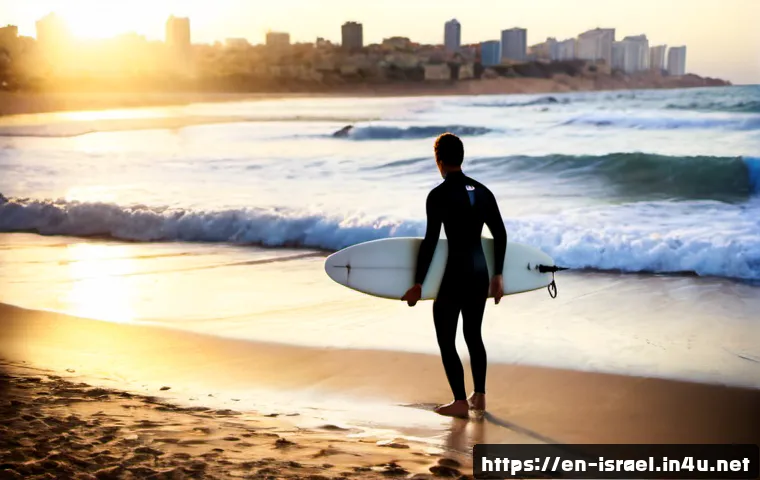
Tel Aviv is usually the simplest choice for surf lessons, board rentals, and a short city-break session, while other areas can suit travelers looking for a different coastal setting.
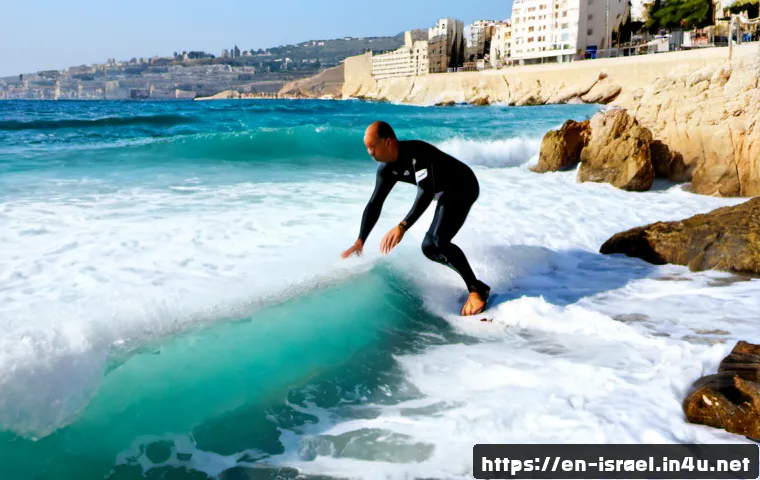
For more consistent Mediterranean surf, the cooler months are generally the better bet, although daily conditions can change quickly. Herzliya, Netanya, Haifa’s Bat Galim area, and Ashdod are all worth comparing based on your skill level, transport plan, and willingness to bring equipment.
First-time surfers often benefit from a lesson that includes a soft-top board and wetsuit. Independent surfers should check the forecast, wind, beach flags, and access details before committing to a session.
Compare package inclusions and cancellation terms, not only the advertised surf lesson or rental price.
At a Glance
- Best for lessons: Tel Aviv, where urban beach access, surf schools, and rental options are commonly easier to find.
- Best for independent sessions: Herzliya, Netanya, Haifa’s Bat Galim area, and Ashdod can offer alternative coastal settings, subject to daily conditions.
- Best for a short city break: Choose Tel Aviv if you want to combine beach time with simple transport and nearby services.
| Area | Best Fit | Transport and Setting | Lessons and Rentals | Costs and Cautions to Confirm |
|---|---|---|---|---|
| Tel Aviv | Beginners, first-time visitors, short stays | Urban beaches with generally convenient city access | Commonly associated with surf schools and equipment-rental options | Check lesson group size, wetsuit inclusion, board type, flags, and beach access |
| Herzliya | Travelers wanting a coastal session outside central Tel Aviv | Northern coastal setting; access should be checked for your travel day | Availability may vary by beach and season | Confirm transport, parking, rental hours, and local wind conditions |
| Netanya | Intermediate travelers and visitors comparing beach atmosphere | Coastal destination north of Tel Aviv | Check locally rather than assuming equipment is available at every beach | Review sand movement, currents, flags, and forecast before entering |
| Haifa / Bat Galim | Surfers seeking a different northern coastal environment | Bat Galim is a commonly considered Haifa-area surf location | Lesson and rental options require date-specific confirmation | Check wind exposure, restricted zones, and conditions on arrival |
| Ashdod | Travelers heading south or comparing less central options | Southern Mediterranean coastal setting | Do not assume every beach has schools or board hire | Confirm beach access, lifeguard coverage, facilities, and local conditions |
Where to Find the Best Waves Along Israel’s Mediterranean Coast
Quick Answer: Best Areas for Beginners, City Travelers, and Experienced Surfers
There is no single best surf beach for every traveler. Tel Aviv is often the practical starting point for beginners because it is widely associated with accessible urban beaches, surf schools, and surfboard rental choices. If you have limited time and want to avoid transporting a board across several locations, that convenience can matter more than chasing a specific break.
For travelers who prefer to explore beyond the city, Herzliya, Netanya, Haifa’s Bat Galim area, and Ashdod are commonly considered alternatives. These locations may appeal to intermediate surfers or visitors building a wider Mediterranean surf itinerary. However, wave quality can shift rapidly between nearby beaches, so choose the area only after checking the current forecast and beach conditions.
Experienced surfers should avoid treating a location name as a promise of suitable waves. A good-looking surf forecast can still be affected by local wind, swell direction, sand movement, storm conditions, and restricted swimming areas. The most useful approach is to keep your plan flexible and have a backup beach or non-surf activity in mind.
Why Conditions Can Differ From One Beach to the Next
Israel’s surfable conditions are concentrated along its western Mediterranean coast, but nearby beaches do not always behave the same way. Wind direction can change surface quality. Swell direction can favor one stretch of coast more than another. Sand movement can also alter how a beach break works from one period to the next.
Storm conditions deserve extra attention. They may bring more energy, but they can also make entry, currents, and overall safety less predictable. A beach that feels manageable on a smaller day may not be the right choice after a weather shift. Check beach flags and lifeguard information before paddling out, and do not rely only on a general regional forecast.
Compare Tel Aviv, Herzliya, Netanya, Haifa, and Ashdod Before You Go
Location Comparison: Access, Atmosphere, Skill Fit, and Practical Facilities
Tel Aviv is the most straightforward choice when the priority is convenience. It suits visitors staying in the city, travelers booking a beginner lesson, and people who would rather rent equipment than travel with it. The urban setting can make it easier to fit a surf session around sightseeing, but it may not deliver the same atmosphere every traveler wants.
Herzliya can be a useful comparison point for visitors heading north of Tel Aviv. It may suit travelers who want a coastal session without making the entire trip about city beaches. Confirm how you will reach the beach, whether parking matters to your plan, and whether rental availability matches your expected session time.
Netanya is worth considering for surfers comparing coastal settings north of Tel Aviv. It can work well as part of a broader trip, but conditions and services should be checked locally. Do not assume that a beach listed in a travel plan will have an open surf shop, lockers, showers, or a lifeguard at the time you arrive.
Bat Galim in Haifa is often on the list for surfers seeking a northern option. It can be a sensible choice if Haifa is already part of your itinerary. Its suitability depends on the day’s wind, swell, water conditions, and your comfort level rather than on its reputation alone.
Ashdod provides a southern option for travelers moving along the coast. It may be practical for a route that does not center on Tel Aviv, but it requires the same careful checks: current beach access, flags, local hazards, and the availability of instructors or rental equipment.
Lessons and Rentals: What to Compare Beyond the Advertised Price
A low lesson price does not automatically mean a better value. Before booking, compare lesson duration, group size, instructor supervision, soft-top board inclusion, wetsuit inclusion, and cancellation terms. Many beginner surf lessons include a soft-top board and wetsuit, but the details vary between providers and packages.
If you are renting rather than taking a lesson, ask what board types are available and whether the rental is appropriate for the day’s conditions. A board that looks appealing on the rack may not be the right choice for smaller, less reliable summer waves or for a first session. Also confirm rental return times and whether you are expected to transport the board yourself.
For travelers comparing guided surf packages, the key question is simple: what practical problem does the guide solve? A guide may be useful when you are unfamiliar with local beach access, conditions, or entry points. If you already have suitable equipment and are comfortable reading conditions, an independent session may be enough. Compare what is included before booking rather than choosing solely by the headline rate.
When to Surf in Israel and What Conditions to Check
Seasonal Swell Patterns and the Trade-Off Between Warmer Water and More Consistent Waves
Mediterranean surf conditions in Israel are generally more consistent during the cooler months. Summer can bring smaller and less reliable waves, which may still suit a beginner lesson or relaxed practice session but can be disappointing if your trip depends on regular surf.
The trade-off is not only about wave consistency. Cooler conditions may make a wetsuit more relevant, while warmer periods may feel more comfortable out of the water but offer fewer dependable surf opportunities. Instead of planning around a guaranteed daily session, allow room in your itinerary to surf when conditions line up.
If surfing is the main purpose of your trip, consider a flexible schedule rather than booking every session far in advance. That approach makes it easier to choose between Tel Aviv, Herzliya, Netanya, Haifa, or Ashdod after you have reviewed current conditions.
Forecast, Wind, Currents, Flags, and Beach-Access Checks Before Paddling Out
Before entering the water, check these basics:
- Surf forecast: Look at the expected swell and avoid assuming it will be identical across the whole coast.
- Local wind: Wind can quickly change wave texture and make a session less enjoyable or less manageable.
- Beach flags: Follow posted safety flags and local instructions.
- Currents and hazards: Watch for changing sandbars, groynes, reef-related hazards where relevant, and difficult entry points.
- Beach access: Confirm whether the beach is open, whether swimming zones are restricted, and whether lifeguard coverage is operating.
A forecast is a planning tool, not a safety clearance. If the conditions look beyond your ability, skip the session or ask a qualified local instructor about safer options for that day.
Planning a Surf Session: Lessons, Board Rentals, and Common Mistakes
When a Beginner Lesson Is Worth the Cost
A beginner lesson is often worth considering if you have never surfed, have only surfed a few times, or are unsure how to assess beach conditions. The value is not just time on a board. A structured lesson can help you understand basic beach safety, board handling, positioning, and how to avoid interfering with other water users.
It can also simplify your travel plan. If the lesson includes a soft-top board and wetsuit, you may not need to transport bulky equipment or make separate rental arrangements. Before paying, confirm the actual inclusions, group size, meeting point, and what happens if weather or beach conditions prevent the lesson from going ahead.
Choosing a Soft-Top, Shortboard, or Longboard Rental for Local Conditions
For first-time surfers, a soft-top is commonly the sensible starting point because it is designed for learning and is often included with beginner lessons. A shortboard may be unsuitable if you are still learning to catch waves consistently, especially when conditions are smaller or less reliable.
A longboard-style option may be worth asking about if you have experience and the available conditions favor a board with more glide. The correct choice still depends on your ability, the local surf, and what the rental provider actually has available. Do not book a specific board type without confirming its condition, size, and suitability when you arrive.
Mistakes Travelers Make With Wetsuits, Transport, Parking, and Surf Etiquette
One common mistake is assuming summer means no wetsuit is ever needed, or that cooler conditions automatically require the same setup for every person. Check local conditions and ask the school or rental provider what is appropriate for your session. Another mistake is underestimating board transport: a rental may be convenient at the beach but awkward if you need to carry it through public transport or fit it into a vehicle.
Parking, showers, lockers, and changing space should also be treated as date-specific details, not guaranteed features. Finally, follow basic surf etiquette. Do not drop in on another surfer’s wave, keep clear of learners and swimmers, and choose a position in the water that matches your skill level.
Surf Spot Suggestions by Travel Style and Experience Level
First-Time Surfers Staying in Tel Aviv
Stay close to your accommodation and prioritize a Tel Aviv surf lesson with clear equipment inclusions. This is usually the easiest option for travelers who want instruction, a soft-top board, and a simple way to fit surfing into a city itinerary. Ask whether the lesson is suitable for complete beginners and check the beach flag situation before leaving for the session.
Intermediate Surfers Seeking a Less Urban Beach Session
Consider comparing Herzliya, Netanya, Bat Galim, and Ashdod based on the day’s conditions and your route. The goal should not be to find a universally “best” beach, because local wind and swell can change the answer quickly. Instead, select a location where you can confirm access, assess the water safely, and arrange equipment if you are not bringing your own.
Families and Mixed-Skill Groups Balancing Beach Time With Lessons
For a mixed group, an area with accessible beach facilities and possible lesson options can be more useful than a location chosen only for surf potential. Tel Aviv may be the simplest starting point for this type of plan. Still, confirm whether lifeguards, restricted swimming zones, rentals, and lesson availability are operating on your specific date.
Choosing the Right Israel Surf Spot: Final Comparison and Booking Checklist
Match the Beach to Your Ability, Time Available, and Equipment Needs
Choose Tel Aviv when convenience, lessons, and equipment rental are your main priorities. Compare Herzliya, Netanya, Haifa’s Bat Galim area, and Ashdod when you have more flexibility, your own transport or equipment plan, and time to respond to changing conditions.
If your trip is short, avoid spending valuable beach time searching for a shop, parking, or a suitable break. If you are new to surfing, prioritize instruction and safe conditions over trying to find the biggest waves. If you are experienced, keep expectations flexible and let the daily forecast guide the final decision.
Questions to Ask Before Paying for a Lesson, Rental Package, or Guided Session
- Does the surf lesson include a soft-top board and wetsuit?
- What is the expected group size and level of instructor supervision?
- What board types are available for rental, and are they suitable for current conditions?
- What is the cancellation or rescheduling policy if conditions change?
- Where is the meeting point, and what beach access or transport details should I know?
- Does my travel insurance cover the activities and equipment I plan to use?
Selection Criteria and Comparison Summary
Make the final choice using five checks: your ability level, the current surf and wind forecast, available time, whether you need a lesson or surfboard rental, and the beach’s active safety conditions. Tel Aviv is generally the practical option for lessons and city access. Other coastal areas can fit a wider itinerary, but facilities and conditions need direct confirmation. Review travel insurance coverage for your planned water activity, and compare lesson package inclusions before paying. For official guidance and detailed booking conditions, check the relevant provider or local beach information page.
Conclusion
Israel’s Mediterranean coast can work well for a surf-focused stop or a single session added to a city trip. The best location depends less on a fixed ranking and more on your experience, the weather pattern, and how easily you can access equipment or instruction. Tel Aviv is often the easiest place to begin, particularly for visitors who need lessons or rentals. For every beach, check the conditions on the day and treat safety information as part of the plan, not an afterthought.
Useful Information to Know
1. Cooler months are generally associated with more consistent surf, while summer waves can be smaller and less reliable.
2. Local wind, swell direction, storms, and sand movement can make nearby beaches surf very differently.
3. Lesson and rental availability, prices, facilities, and policies can change, so confirm them directly.
4. Beach flags, lifeguard coverage, and restricted zones should always be checked before entering the water.
Important Notes
Daily wave height, water conditions, crowds, facilities, access rules, and safety coverage cannot be assumed from a general location guide. Temporary closures, travel conditions, and local restrictions may affect your plans. This information is intended to help compare options; it does not replace on-site safety guidance, official notices, or the judgment of a qualified surf instructor.
Frequently Asked Questions
Q1. What is the best place in Israel for beginner surf lessons?
A1. Tel Aviv is commonly the most practical choice for beginner surf lessons because it is widely associated with accessible urban beaches, surf schools, and equipment-rental options. Confirm the lesson’s group size, soft-top board inclusion, wetsuit inclusion, and current beach conditions before booking.
Q2. Is it better to rent a surfboard in Tel Aviv or bring your own equipment?
A2. Renting in Tel Aviv can be simpler for short trips, especially if you need a beginner-friendly board or want to avoid transporting equipment. Bringing your own board may make sense if you already know what you need, but you should still confirm transport arrangements, beach access, and whether current conditions suit your equipment.
Q3. When are waves typically more reliable on Israel’s Mediterranean coast?
A3. Surf conditions are generally more consistent during the cooler months. Summer can bring smaller and less reliable waves. Regardless of season, check the latest forecast, wind, flags, and local beach conditions before paddling out.