Israel’s desert regions support ibex, gazelles, predators, reptiles, and migratory birds. Learn where wildlife is commonly encountered, when guided tours may add value, what gear matters, and how to observe animals responsibly.
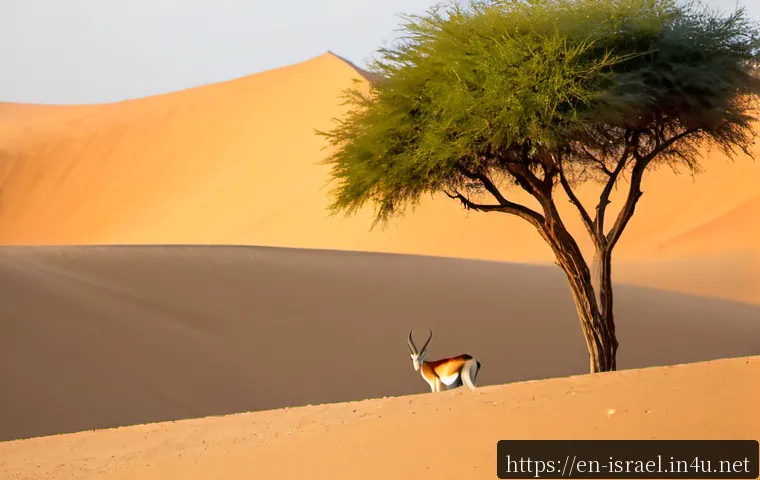
Israel’s desert regions can offer sightings of Nubian ibex, Dorcas gazelles, raptors, migratory birds, reptiles, and smaller nocturnal animals, but no sighting is guaranteed.
For most visitors, the best approach is to visit during cooler hours, use marked routes, and choose a guide when local access knowledge or photography support matters.
Casual travelers may enjoy wildlife along scenic desert stops, while serious birders and photographers usually benefit more from patient observation and a focused itinerary.
The Negev, Arava, Judean Desert, and Dead Sea surroundings each combine different terrain with different viewing possibilities. A self-guided drive can be flexible, but a ranger-led walk, small-group nature tour, or private wildlife guide can add useful context.
The key is to plan around habitat, time of day, heat, and responsible distance rather than expecting a safari-style encounter.
At a Glance
- Best for casual wildlife viewing: rocky desert landscapes and marked trails in cooler early-morning or late-afternoon periods.
- Best for photography or focused species searches: a specialist guide or wildlife photography tour with local habitat knowledge.
- Most important rule: keep distance, stay quiet, and never feed, approach, or handle wild animals.
| Wildlife Experience | Best For | Main Value Factors | What to Check |
|---|---|---|---|
| Self-guided driving or marked trails | Flexible travelers and casual observers | Control over timing, scenic stops, and pace | Access rules, trail conditions, heat, navigation, and permitted parking |
| Ranger-led walk or group nature tour | First-time visitors and families | Interpretation, safer route choices, and shared local knowledge | Group size, walking level, transport, and cancellation terms |
| Private wildlife guide | Birders, photographers, and focused wildlife watchers | Flexible timing, tailored habitat choices, and photography support | Guide credentials, route plan, vehicle arrangement, and restrictions |
| Eco-lodge-based excursion | Travelers who prefer a slower desert stay | Convenient early starts and less daily driving | Whether wildlife activities are included, optional, or seasonal |
What Wildlife Can Visitors Expect in Israel’s Desert Regions?
Israel’s desert landscapes include the Negev, Arava, Judean Desert, and areas around the Dead Sea. These are not identical wildlife settings. Rocky slopes, broad open ground, wadis, and springs create different opportunities, so it helps to match expectations to the terrain rather than to a general idea of “the desert.”
Commonly Recognized Mammals in Rocky and Open Desert Habitats
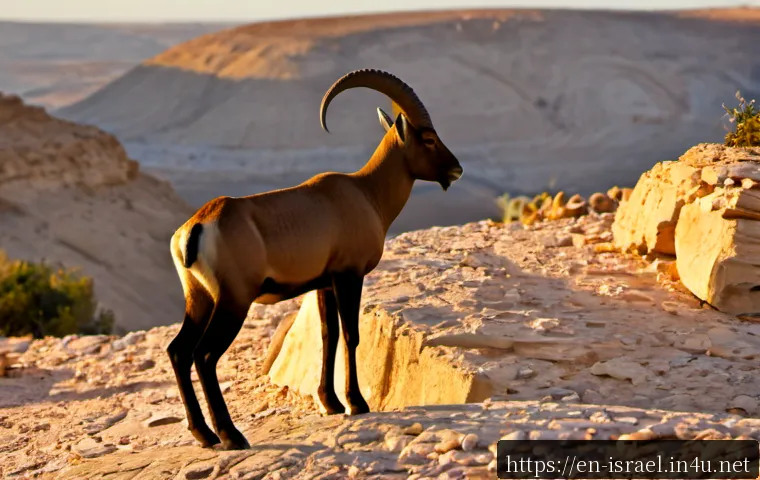
Nubian ibex are among the most recognizable large mammals in rocky desert habitats, including parts of the Dead Sea region and the Negev. Their presence is never a promise at a particular viewpoint or trail, but rocky terrain is the kind of setting visitors often associate with them. Dorcas gazelles are adapted to arid conditions and may occur in suitable open desert and semi-desert habitat.
Birds, Reptiles, and Nocturnal Animals That Require More Patience
Raptors and migratory birds can be a major part of wildlife observation in Israel, especially during seasonal migration periods. Reptiles and smaller mammals may be present without being easily visible, since many avoid the strongest daytime heat. A quiet pause with binoculars can be more productive than constantly moving from one scenic stop to another.
Why Sightings Are Never Guaranteed
Wild animals respond to weather, temperature, disturbance, available cover, and daily activity patterns. A famous desert viewpoint may be visually impressive without being a dependable wildlife location on a given day. Treat a wildlife sighting as a possibility, not as an included feature of your trip or tour booking.
Where and When Wildlife Viewing Is Most Rewarding
The most useful planning principle is simple: look for the right habitat at the right time. Cooler periods often bring more activity, while harsh heat can make both animals and visitors less active.
Rocky Cliffs, Wadis, Desert Springs, and Open Plains
Rocky cliffs and slopes are logical places to scan for ibex. Open desert and semi-desert areas may suit gazelles. Wadis and desert springs can concentrate signs of life, but visitors should follow all local access rules and avoid leaving designated routes. A protected area is not automatically an open wildlife-viewing zone.
Early Morning, Late Afternoon, and Seasonal Migration Windows
Early morning and late afternoon are often better choices than peak daytime heat for general wildlife observation. Nighttime can also be active for desert species, but nighttime access or tours may not be allowed everywhere. Bird-focused visitors should consider seasonal migration periods, while remembering that timing does not guarantee particular species.
Weather, Heat, and Trail Access Considerations
Heat, dust, changing conditions, trail restrictions, seasonal closures, and wildlife-disturbance regulations can all affect a plan. Before setting out, check current official information for opening hours, route access, permits, and photography rules. Bring enough water, sun protection, and reliable navigation for the route you are actually permitted to use.
Self-Guided Visit vs Guided Wildlife Tour: Which Offers Better Value?
The better option depends on whether you value independence, interpretation, transport support, or a more targeted search. A guided desert safari-style outing may sound appealing, but the practical details matter more than the label.
Self-Drive and Marked-Trail Visits
Self-guided exploration works well for travelers who want flexibility and are happy to combine wildlife watching with scenic desert travel. It can be a good fit for casual viewing, especially if you are prepared to wait quietly and accept that you may see little. Use marked trails and approved access points rather than treating unmarked terrain as a shortcut.
Ranger-Led Walks and Small-Group Nature Tours
A ranger-led walk or small-group nature tour can be useful for first-time visitors. The value is often in understanding tracks, habitat, local rules, and timing—not in a promise of animal sightings. This format may also reduce the burden of route planning in unfamiliar desert conditions.
Private Guides for Photographers and Serious Wildlife Watchers
A private guide may be worth considering when photography, birding, or a focused wildlife itinerary is the purpose of the day. A guide can help structure the outing around light, terrain, observation time, and permitted access. For a wildlife photography tour, ask whether the itinerary allows time to wait rather than only stopping briefly at multiple viewpoints.
What to Compare Before Paying for a Tour
Compare guide credentials, group size, transport, walking demands, departure time, cancellation terms, and what is actually included. Also ask whether the operator follows protected-area regulations and how it handles wildlife encounters. Do not assume that a tour has nighttime permission, reserve access, or photography privileges without confirmation.
Responsible Desert Wildlife Viewing: Safety, Gear, and Common Mistakes

Responsible viewing improves the experience for both visitors and animals. The goal is to observe natural behavior without changing it.
Distance, Silence, and Avoiding Animal Disturbance
Keep a respectful distance and use binoculars or a telephoto lens instead of moving closer. Stay quiet, avoid blocking an animal’s path, and never feed or attempt to touch wildlife. These actions can harm animals and create unnecessary risk for people.
Essential Gear for Heat, Dust, Navigation, and Observation
Useful basics include water, sun protection, appropriate footwear, navigation support, binoculars, and camera protection from dust. Travelers who do not own optics may want to compare binocular or camera gear rental options before committing to a purchase. For photography, a telephoto lens can be more useful than trying to approach an animal.
Mistakes That Reduce Sightings or Create Safety Risks
Common mistakes include arriving only during peak heat, talking loudly at observation points, chasing a sighting, leaving marked trails, and confusing a scenic roadside stop with a reliable wildlife site. Another mistake is overpacking camera equipment while underpreparing for heat and hydration.
Planning by Travel Style: Families, Birders, Photographers, and First-Time Visitors
A good plan should fit your pace and experience level. Desert wildlife watching often rewards patience more than distance covered.
Low-Effort Scenic Stops for Casual Visitors
Families and first-time visitors may prefer accessible scenic locations, short marked walks, and cooler-hour stops. Keep expectations simple: enjoy the landscape first, and treat any wildlife encounter as a welcome addition. A group nature walk can make this easier when route planning feels uncertain.
Patient Observation Plans for Birders and Photographers
Birders and photographers should allow time for scanning, waiting, and revisiting suitable habitat in favorable light. Binoculars are useful for identifying distant movement, while a telephoto lens supports respectful photography. Seasonal migration can add interest, but current conditions still matter.
When a Local Guide Is Worth Considering
Consider a local guide if you have limited time, want help understanding desert habitat, need transport support, or are planning a dedicated wildlife photography day. An eco-lodge excursion can also be appealing when you want early starts without frequent long drives. Confirm the exact activity, access conditions, and any relevant restrictions before booking.
Choosing a Wildlife Experience in Israel’s Desert: Comparison Summary
Choose self-guided exploration when flexibility, scenic travel, and independent pacing matter most. Choose a ranger-led walk or small-group tour when you want interpretation and a more structured first visit. Choose a private guide when photography, birding, tailored timing, or local route knowledge justifies the added planning. Before booking, compare guide credentials, group size, transport, walking level, cancellation terms, and the operator’s approach to wildlife disturbance. Check the official page for current access details, activity conditions, and booking terms.
In Closing
Israel’s deserts can be rewarding for wildlife travelers, but the experience is strongest when it is planned realistically. Focus on habitat, cooler hours, quiet observation, and legal access rather than chasing guaranteed sightings. Whether you travel independently or book a guided nature tour, respectful distance is part of good desert fieldcraft. The landscape itself remains worthwhile even when wildlife stays out of view.
Useful Things to Know
Bring optics before buying more gear: binoculars can improve a casual visit as much as a larger camera setup. Start early or late: desert activity is often greater outside peak daytime heat. Check rules first: protected areas may have trail restrictions, closures, and wildlife-disturbance regulations. Plan for waiting: wildlife observation is rarely a fast itinerary activity.
Important Notes
Specific wildlife sightings, active species, opening hours, entry fees, permit requirements, photography restrictions, and tour availability must be checked with current official or operator information. Conditions can vary by reserve, route, season, weather, and time of day. Night wildlife activity does not mean nighttime visits are permitted in every location.
Frequently Asked Questions
Q1. What animals are most likely to be seen in Israel’s desert areas?
A1. Nubian ibex are among the best-known large mammals in rocky desert habitats, while Dorcas gazelles may occur in suitable open desert and semi-desert areas. Raptors, migratory birds, reptiles, and smaller mammals can also be part of the experience, although visibility varies greatly.
Q2. Is a guided wildlife tour worth the cost for first-time visitors to the Negev or Dead Sea region?
A2. It can be worthwhile if you want local habitat interpretation, route guidance, transport support, or a more focused photography or birding plan. Compare guide credentials, group size, itinerary pace, transport, and cancellation terms rather than assuming a higher-priced tour guarantees better sightings.
Q3. What is the safest time of day to look for wildlife in the Israeli desert?
A3. Cooler early-morning and late-afternoon periods are often more comfortable for visitors and can coincide with greater wildlife activity. Always check local access rules, weather conditions, trail status, and whether the area is open at your planned time.