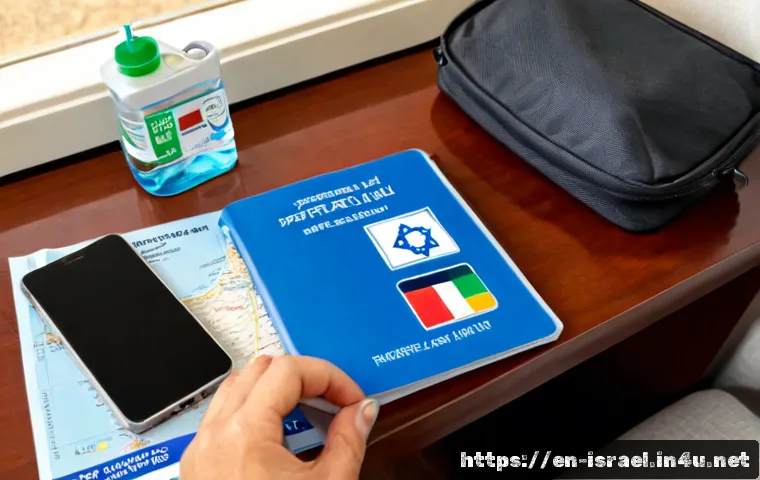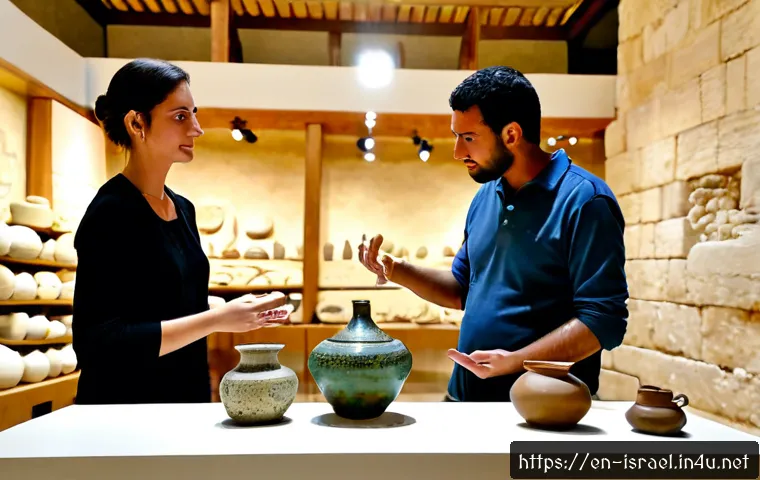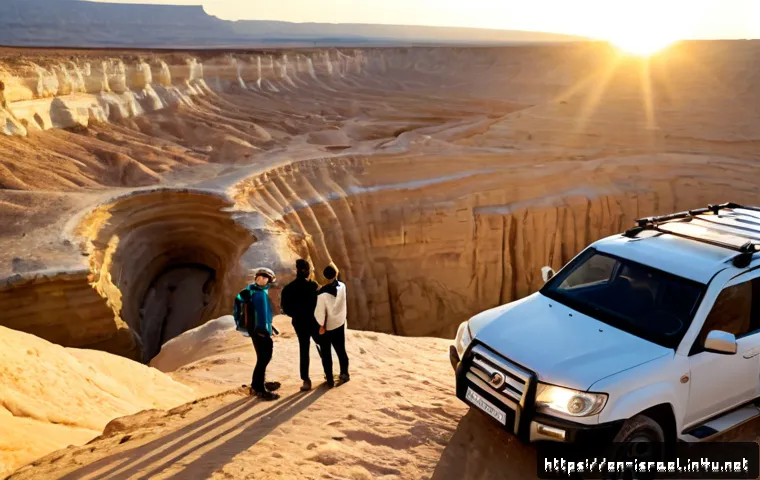
For most first-time visitors, a guided day trip in the Judean Desert or a Negev itinerary with a Dead Sea stop is the simplest choice. Choose the Negev for wide-open landscapes and an overnight near Mitzpe Ramon, the Judean Desert for a Jerusalem-based canyon day trip, and the Dead Sea for a relaxation-focused addition rather than a complete desert experience.
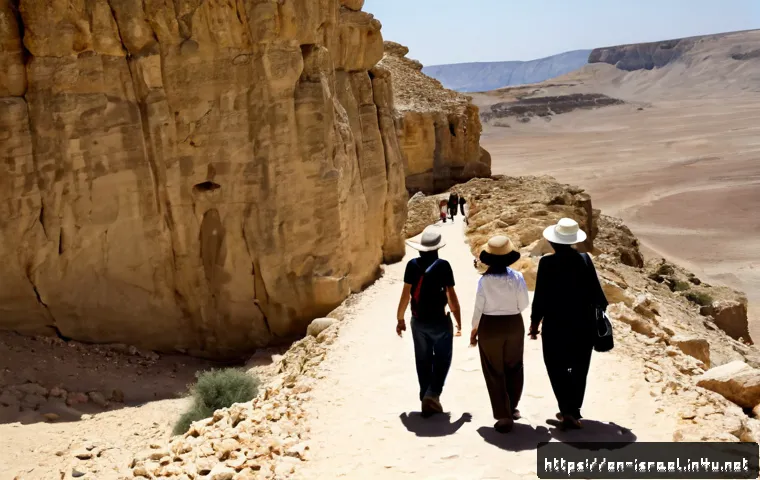
The best booking format depends on how much driving, walking, planning, and flexibility you want. Small-group tours reduce logistics, while private guides and drivers can make sense for custom pacing or specific stops.
Before reserving, compare pickup logistics, walking distance, water arrangements, cancellation terms, and current route access.
At a Glance
- First-time visitors: A guided Judean Desert or Negev day tour is usually the easiest way to combine scenery, transport, and basic logistics.
- Hikers and landscape-focused travelers: Choose the Negev and Makhtesh Ramon area when you want broader desert scenery and the possibility of an overnight stay.
- Travelers wanting a custom day: A private guide or driver can offer flexible stops, but compare inclusions and cancellation terms carefully before booking.
| Tour Format | Best For | Main Value | Typical Cost Drivers | Key Check Before Booking |
|---|---|---|---|---|
| Small-group desert tour | Visitors who want simple planning | Shared transport and a fixed itinerary | Pickup zone, itinerary length, meals, entry arrangements | How much time is spent driving versus walking or sightseeing |
| Private guide or driver | Families, couples, and travelers with specific priorities | Flexible pacing and custom stops | Vehicle type, guide time, route distance, waiting time, meals | Whether the itinerary can change if access conditions change |
| Self-guided desert add-on | Confident travelers using a rental car | Independent timing and route choice | Rental vehicle, fuel, navigation, accommodation, site access | Road conditions, opening hours, water planning, and trail suitability |
| Overnight desert stay | Travelers who do not want a rushed return journey | More time for scenery and changing desert light | Accommodation type, meals, transport, guided activities | Night temperatures, transfer timing, and what is actually included |
Which Desert Experience Fits Your Israel Itinerary?
The right Israel desert tour starts with geography. The Negev, the Judean Desert, and the Dead Sea area can all appear in “desert tour” listings, but they deliver different days. A good itinerary should state where you are going, how much walking is involved, and whether the focus is scenery, hiking, relaxation, or transport convenience.
Quick Answer: Negev for Wide-Open Landscapes and Overnight Stays
The Negev covers much of southern Israel and offers broad desert landscapes, hiking routes, and the Ramon Crater area. It is the better fit when your priority is a sense of scale rather than a quick stop outside a major city. Makhtesh Ramon, near Mitzpe Ramon, is a large erosion crater, not an impact crater, and it is often the visual centerpiece of a Negev itinerary.
A Negev day trip can work, but the transport distance may make the day feel heavily focused on driving. An overnight in or near Mitzpe Ramon can add value when you want more time for viewpoints, a slower pace, and accommodation in a desert setting. Before choosing an overnight package, confirm whether transport, meals, guided walks, and the accommodation itself are included or separately arranged.
Judean Desert for Jerusalem-Based Day Trips and Canyon Scenery
The Judean Desert lies east of Jerusalem and includes dry canyons, overlooks, and routes toward the Dead Sea. For travelers staying in Jerusalem, it can be a practical choice because the route is often easier to frame as a day trip than a deeper Negev excursion. It suits visitors who want desert scenery without committing an entire itinerary to a southern overnight.
Do not assume every Judean Desert tour has the same activity level. Some are primarily scenic drives with short walks, while others may involve uneven ground or longer hiking sections. Ask for the walking distance, terrain description, and expected time outdoors before reserving, especially if comfort, mobility, or heat tolerance is a concern.
Dead Sea Stops for Relaxation-Focused Itineraries Rather Than Deep-Desert Exploration
The Dead Sea is commonly paired with desert sightseeing, and it can be an appealing stop after overlooks or a route through the Judean Desert. Still, a Dead Sea visit is not a substitute for a full Negev or Judean Desert excursion. A tour may feature a scenic transfer and a Dead Sea stop without offering much hiking, crater scenery, or time in remote desert landscapes.
Read the itinerary closely if Dead Sea access matters to you. Do not assume that every desert tour includes swimming time, a particular access point, or the same facilities. Weather events, local access restrictions, and route conditions can affect plans, so current details should be confirmed directly with the operator.
Compare Group, Private, and Self-Guided Desert Tour Formats
The most useful comparison is not simply “cheap versus expensive.” Consider how much planning you want to handle, how fixed your schedule can be, and whether you need a specific pickup location or activity level. A lower-cost group option may be the right value if its route matches your priorities. A private itinerary may justify a higher total cost when flexibility changes the whole experience.
Small-Group Tours: Lower Planning Effort and Shared Transport
Small-group tours are a natural starting point for visitors who do not want to manage desert transport, navigation, water stops, or route planning. They can be particularly helpful for a first visit, where you want a defined itinerary and a shared vehicle rather than a rental-car commitment.
The trade-off is a fixed timetable. Pickup zones, stops, meal timing, and walking pace may be set for the group. Before booking, check whether your hotel or meeting point is within the operator’s pickup area, whether luggage is allowed, and whether the listed route is a full desert experience or mainly a transfer with several short stops.
Private Guides and Drivers: Flexible Pacing, Custom Stops, and Higher Total Cost
A private guide or private driver is most useful when you have priorities that do not fit a standard group route. You may want more time at viewpoints, a slower walking pace, a route built around photography, or a direct transfer between cities with desert sightseeing along the way. Families and travelers coordinating different comfort needs may also prefer this format.
However, “private tour” can mean different things. One quote may include a guide, vehicle, and route planning, while another may cover only transport. Ask whether the guide is present throughout the day, whether entrance arrangements or meals are included, and what happens if a planned road, reserve, or route becomes unavailable. Compare the itinerary, not just the headline quote.
Self-Guided Travel: When Rental Cars and Navigation Planning Make Sense
Self-guided travel can work for confident travelers who are comfortable using a rental car and organizing their own route. It offers control over timing and can be a good fit when your plans include an overnight stay. Yet the desert requires more planning than an urban driving day: transport, water, trail difficulty, opening hours, and access restrictions all need attention.
A self-guided route should not be treated as a casual substitute for a guided hike or off-road activity. Confirm that the roads and sites you plan to use are accessible, understand the walking demands, and make sure your insurance and personal fitness are appropriate for the activities you choose. If your itinerary depends on unfamiliar trails or changing access conditions, a guide may offer better value than trying to improvise.
What Determines the Real Cost and Value of a Desert Tour?
Tour pricing is only useful when you understand what drives it. A seemingly similar Negev, Judean Desert, or Dead Sea tour can differ in travel distance, pickup location, guide service, meal arrangements, accommodation, and the amount of time actually spent at desert sites. Focus on what the day includes and what you must arrange yourself.
Transport Distance, Pickup Location, Meals, Entrance Fees, and Overnight Accommodation
Longer routes generally involve more transport planning. Pickup from a specific city may be included, limited to selected zones, or require a meeting point. Meals may be part of a package, optional, or entirely independent. The same applies to access arrangements at sites and to overnight accommodation.
When comparing guided tour options, request clarity on the practical details: pickup time, return location, vehicle arrangement, meal expectations, and whether any planned stops require additional arrangements. This is especially important for travelers trying to connect a desert trip with a hotel change, airport transfer, or evening reservation.
Full-Day Versus Multi-Day Itineraries
A full-day tour can be enough when you want an introduction to a region and prefer to return to Jerusalem or Tel Aviv the same evening. It is less ideal when your main goal is to explore the Negev at an unhurried pace. A multi-day plan or desert accommodation can reduce the pressure to fit scenic drives, walking, meals, and transfers into one long day.
For the Negev, consider whether an overnight near Mitzpe Ramon would improve the experience more than adding extra stops to a rushed itinerary. For the Judean Desert, a day trip may be a better fit when you are based in Jerusalem and want canyon scenery or a Dead Sea combination without changing hotels.
Questions to Ask Before Comparing Tour Quotes
Use the same questions for every group tour, private driver, or guided package:
- What is the exact pickup point and return point?
- How much time is expected in the vehicle?
- What is the walking distance and terrain level?
- Are water, meals, accommodation, or site arrangements included?
- Can the route change because of weather, security conditions, or access restrictions?
- What are the cancellation terms if the itinerary cannot operate as planned?
Plan for Weather, Safety, and Desert Logistics

Desert travel rewards preparation. Temperatures can vary significantly between daytime and night, especially outside summer, and conditions can affect comfort even on a short guided outing. A strong tour plan includes water, suitable clothing, realistic walking expectations, and a current access check.
Heat, Cold Nights, Flash-Flood Risk, and Hydration Planning
Bring and carry the water your itinerary requires, rather than assuming every stop will offer supplies. Clothing should be chosen for changing temperatures, sun exposure, and the possibility of cooler conditions after sunset or early in the day. Closed, supportive footwear is usually more practical than footwear meant only for a pool or beach stop.
Flash-flood risk and weather events can affect desert routes and access. If rain is forecast or weather conditions change, do not rely on a previously published plan. Confirm current guidance with your operator or relevant local authority before entering a canyon, reserve, or remote route.
Checking Current Route Access and Security Conditions
Israel’s security conditions and border-area access rules can change quickly. This may affect tour operations, roads, hiking routes, or the availability of certain areas. A listing written weeks or months earlier cannot confirm what will be possible on your exact travel date.
Check current travel advice, local instructions, and the operator’s latest route confirmation shortly before departure. Ask whether there is an alternative itinerary if a planned location is unavailable. Flexible cancellation terms can be particularly valuable when conditions are uncertain.
Clothing, Footwear, Insurance, and Fitness Considerations
Match the tour to your actual comfort level. “Easy” can mean different things depending on heat, ground conditions, and the length of time spent outside. If you have concerns about mobility, heat tolerance, swimming, hiking, or medical needs, ask the provider for a clear description rather than relying on a general activity label.
Review your travel insurance before booking hiking or off-road activities. Coverage varies, and individual suitability cannot be assumed. A private itinerary may offer a more adjustable pace, but it does not remove the need to choose an activity appropriate for your fitness and travel conditions.
Choose by Travel Style and Available Time
The best route is usually the one that fits your hotel base and available time. Trying to combine every desert highlight into one day can create a trip that is mostly vehicle time. Choose one primary goal, then use the Dead Sea or an overnight stay as a supporting element where it makes sense.
Best Approach for Travelers Based in Jerusalem
Jerusalem-based visitors often find the Judean Desert the most logical starting point. It offers dry canyon scenery, overlooks, and routes toward the Dead Sea without requiring a deeper southern transfer. A guided day trip can reduce planning effort, while a private driver may suit travelers who want a customized pace or a specific combination of scenic stops.
Best Approach for Tel Aviv Visitors With Limited Time
From Tel Aviv, a limited-time traveler should be realistic about the transport component. A structured group itinerary can make planning simpler, especially when you want a defined return time. If the main objective is the Negev or Makhtesh Ramon, consider whether an overnight option provides a better balance than trying to fit long-distance travel into one day.
When an Overnight in Mitzpe Ramon Adds More Value Than a Rushed Day Trip
An overnight near Mitzpe Ramon is worth considering when crater scenery and the Negev itself are the central purpose of the trip. It gives you more flexibility around daylight, rest, and route timing, rather than treating the area as a brief stop between long transfers. It may also make desert accommodation part of the experience rather than simply a practical necessity.
Before reserving a desert stay, check its transport connection, meal setup, room type, cancellation policy, and whether nearby activities require separate booking. An attractive accommodation listing does not automatically include guided access to trails or organized transport.
Selection Criteria and Tour Comparison Summary
Make the final choice using a short decision checklist: region (Negev, Judean Desert, or Dead Sea combination), activity level, total vehicle time, pickup and return logistics, what is included, and cancellation flexibility. A group tour is usually suitable when you want straightforward shared transport and accept a fixed route. A private itinerary is more compelling when custom stops, a slower pace, or a tailored transfer matters enough to justify the higher total cost. A desert overnight package is the stronger option when the Negev is a main destination rather than a quick addition.
Compare inclusions, cancellation terms, and pickup logistics before reserving. Check the operator’s page for the exact route, current access notes, walking requirements, and package conditions.
In Closing
An Israel desert tour is easier to choose when you decide what “desert” means for your trip. The Negev is best for expansive landscapes and Mitzpe Ramon, the Judean Desert works well for Jerusalem-based day trips, and the Dead Sea is most useful as a complementary stop. Do not book based on a tour title alone. Review the route, transport time, activity level, and current operating conditions before committing.
Useful Things to Know
1. Makhtesh Ramon is an erosion crater, not an impact crater.
2. A Dead Sea stop may be included with desert sightseeing, but it does not automatically mean a full desert exploration itinerary.
3. Desert temperatures can shift substantially between day and night.
4. Water, route access, opening hours, and trail difficulty should be checked in advance.
5. Current security and weather conditions may change the available route.
Important Notes
Specific prices, group sizes, guide credentials, pickup zones, cancellations, road access, and site availability vary by operator and travel date. Weather events and security incidents may affect roads, trails, reserves, swimming areas, and border-area access with little notice. Confirm the latest details directly with the tour provider and relevant official travel guidance before departure. Personal fitness, medical needs, and insurance coverage should be assessed individually.
Frequently Asked Questions
Q1. Which Israel desert tour is best for a first-time visitor?
A1. A guided day trip is often the simplest first option because transport and route planning are handled for you. Choose the Judean Desert if you are based in Jerusalem and want canyon scenery or a Dead Sea combination. Choose the Negev if wide-open landscapes and the Ramon Crater area are your main priorities, ideally with enough time to avoid a rushed itinerary.
Q2. Is a private Negev Desert tour worth the higher cost compared with a group trip?
A2. It can be worthwhile if you need flexible timing, custom stops, a slower pace, or a route built around your hotel and interests. A group tour may offer better value when you are comfortable with a fixed schedule and shared transport. Compare the complete itinerary, transport arrangement, included services, and cancellation terms rather than comparing only the initial quote.
Q3. Can I visit the Dead Sea and the desert on the same day safely and comfortably?
A3. Many itineraries pair a Dead Sea stop with desert sightseeing, especially in the Judean Desert area. Comfort depends on total driving time, heat, walking demands, water planning, and current route conditions. Confirm whether Dead Sea access is included, how long the stop lasts, and whether weather or security conditions affect the planned route.