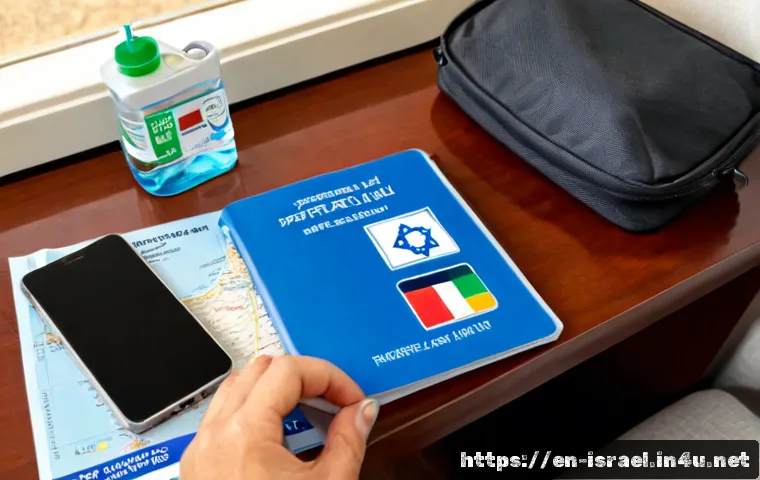
Before booking travel to Israel, verify your entry authorization, choose reservations with workable change or refund terms, and read travel insurance exclusions before you pay.

Security conditions, transport operations, and access restrictions can change quickly, so official guidance and supplier policies matter as much as the advertised fare.
Visa-exempt visitors generally need ETA-IL authorization before flying, although eligibility depends on nationality and exemption rules. A flexible flight, refundable hotel rate, and clear airport-transfer cancellation policy can reduce the cost of an unexpected change.
Insurance deserves the same attention: coverage for medical care, cancellation, evacuation, and security-related disruption may have important limits.
This checklist helps leisure travelers, families, and business visitors compare the decisions that are easiest to overlook.
At a Glance
- Verify entry permission first: passport rules, visa status, and ETA-IL eligibility depend on your personal circumstances.
- Book for flexibility: compare flight, hotel, tour, and airport-transfer change and refund terms before selecting the lowest fare.
- Read insurance exclusions: conflict, terrorism, civil unrest, and government-warning provisions may affect coverage.
| Booking Area | What to Compare | Why It Matters |
|---|---|---|
| Airfare | Change rules, refund eligibility, cancellation timing, and route alternatives | Flights and airport operations can change with limited notice. |
| Hotels and apartments | Refund deadline, credit versus cash refund, and no-show terms | A lower non-refundable rate may be harder to recover after a disruption. |
| Travel insurance | Medical treatment, evacuation, cancellation, assistance services, and security-event exclusions | The policy name alone does not confirm protection for every situation. |
| eSIM and mobile data | Device compatibility, activation instructions, coverage needs, and support access | Reliable data can help you receive alerts and confirm transport changes. |
| Airport transfer | Pickup conditions, waiting time, cancellation terms, and service availability | Arrival plans should not depend on one transport option. |
What to Confirm Before You Book
Check official travel guidance and entry rules first
Start with official travel guidance from your own government. Review it shortly before departure and continue checking during the trip, because security conditions, transport availability, and access restrictions may change quickly. Guidance may also affect how you assess your insurance options, particularly when a policy refers to government travel warnings.
Do this before committing to flights, accommodation, guided tours, or domestic transport. A supplier’s booking page may show availability, but it does not confirm that a route, attraction, or border crossing will operate normally on your dates.
Confirm passport validity, visa status, and ETA-IL eligibility
Passport validity requirements and visa rules depend on nationality, residence status, route, and purpose of visit. Visa-exempt visitors generally need to obtain ETA-IL travel authorization before flying to Israel, subject to nationality and exemption rules. Do not assume that a previous visit, a transit plan, or another traveler’s experience applies to you.
Confirm your own documentation before purchasing a non-refundable ticket. If you are traveling for business, carrying supporting documents and keeping accessible copies can also make arrival-day preparation simpler.
Prioritize flexible flights and accommodation when conditions are changing
A flexible fare is not automatically the best choice, but it can be valuable when your itinerary has little room for disruption. Compare whether a ticket allows a change, whether a hotel offers a refund or only a future credit, and whether a tour operator has a clear cancellation process. Look beyond the label “flexible” and read the actual conditions.
For onward connections, consider the consequences of a delay at Ben Gurion Airport. Security procedures can take longer than expected, especially during heightened security or operational disruption. A tight itinerary may save money initially while creating a larger cost if one part changes.
Compare the Travel Costs That Matter Beyond the Airfare
Flexible versus non-refundable flight and hotel rates
Compare the total decision, not just the initial price. A non-refundable flight or hotel rate may suit a traveler with confirmed entry documents, a stable itinerary, and an acceptable backup plan. A higher-priced refundable hotel or changeable flight can make more sense when dates, meetings, or onward travel are less certain.
Check whether “refund” means a return to the original payment method, a supplier credit, or a request that must be made by a specific deadline. Review separate terms for flights, accommodation, airport transfers, and guided tours because one flexible component does not protect the rest of the itinerary.
What travel insurance may cover—and what exclusions to read closely
Travel insurance can include different forms of support, but coverage varies by policy. Before paying, check the wording for medical treatment, medical evacuation, trip cancellation, trip interruption, assistance services, and security-related disruption. Policies may exclude, limit, or require special conditions for events related to conflict, terrorism, civil unrest, or government travel warnings.
Do not rely on broad marketing language such as “comprehensive.” Ask whether the policy addresses the events that concern you, and note any requirements for contacting the assistance service. Check policy wording before paying for coverage, especially if medical needs, family travel, or a fixed business schedule are part of the trip.
Budgeting for eSIM data, airport transfers, cards, cash, and contingency funds
The Israeli new shekel (NIS) is the local currency. Cards are widely accepted in many urban businesses, but carrying a backup payment method is prudent. That can mean a second card kept separately, access to cash, or both.
Include mobile data and airport arrival planning in your budget. An eSIM plan can be useful for receiving alerts, checking live transport information, and contacting accommodation, but verify that your device supports it and that you understand activation steps. Compare airport-transfer cancellation terms before booking a private pickup, and keep a backup arrival option in mind.
Also check your plug and voltage needs. Israeli outlets commonly use Type H plugs; many modern Type C and Type E/F plugs may fit, but compatibility and device voltage requirements should be verified before packing.
Safety, Security, and Arrival-Day Precautions
Allow extra time for airport screening and schedule changes
Build extra time into departure, arrival, and connection plans. Ben Gurion Airport security procedures may take longer than travelers expect, particularly during periods of heightened security or operational disruption. Keep flight details, accommodation contact information, and onward-travel plans easy to access without relying on a single device or an internet connection.
Domestic flights, intercity services, public transport, and border crossings may be altered or suspended with limited notice. Check live status close to the time you intend to travel rather than relying on an itinerary created days earlier.
Keep alerts, emergency contacts, and offline documents accessible
Save official alert sources, airline contact details, insurer assistance information, and accommodation contacts before departure. Keep offline copies of your passport details, entry authorization confirmation, insurance certificate, and key reservation information. These are practical backups, not substitutes for the original documents or official instructions.
For a guided tour, ask how the operator communicates schedule changes and what happens if access restrictions affect the itinerary. Clear communication procedures are a meaningful selection criterion, especially when plans may change quickly.
Avoid relying on a single route, payment card, or transport option
A resilient itinerary has alternatives. If possible, identify another way to reach your accommodation, another card or payment method, and another contact method if mobile data is unavailable. Travelers with tight onward connections should give special attention to route changes and airport timing.
This does not require overbooking every service. It means avoiding a plan where one delayed flight, unavailable transfer, or blocked payment method leaves no practical next step.
Common Planning Mistakes That Can Create Extra Cost
Booking non-refundable services before confirming entry eligibility
One avoidable mistake is paying for non-refundable flights, hotels, or tours before confirming passport validity, visa requirements, and ETA-IL eligibility. Entry requirements are personal. Verify them based on your nationality, residence status, travel route, and purpose of visit.
Assuming “travel insurance” automatically includes security disruption
Insurance is not a single standard product. A policy may handle medical assistance differently from cancellation, evacuation, or disruption connected to conflict, terrorism, civil unrest, or official warnings. Read the exclusions, definitions, limits, and assistance requirements rather than assuming that a familiar policy category covers every scenario.

Ignoring local closures, holidays, and transport limitations
Transport and access conditions can change, and services may not operate as expected on a particular date. Check current information for flights, public transport, domestic connections, border crossings, and planned attractions. Build enough flexibility into bookings that a schedule adjustment does not automatically end the trip.
Planning by Travel Style and Itinerary
Independent travelers: flexibility, navigation, and backup connectivity
Independent travelers benefit from changeable accommodation, mobile data access, offline document storage, and a second payment method. If you are arranging your own airport transfer, compare pickup instructions and cancellation terms carefully. Keep your arrival plan simple enough that you can adapt if transport availability changes.
Families and travelers with medical needs: coverage limits and access planning
Families may need more time at airports and more predictable accommodation arrangements. Travelers with medical needs should look closely at the insurance policy’s medical provisions, evacuation language, assistance contacts, and any conditions that require advance disclosure or approval. Do not make assumptions about access to a particular service; confirm what matters for your situation before departure.
Business visitors: meeting contingencies, document backups, and changeable tickets
For business travel, plan for meetings that may move online, shift location, or need rescheduling. A changeable air ticket and accommodation with clear cancellation terms may be more useful than the lowest available rate. Keep business contacts, meeting details, and travel documents available offline as well as in email.
Selection Criteria and Booking Comparison Summary
When a higher flexible fare may be worth the added cost
A higher flexible fare may be worth considering when you have an onward connection, a fixed meeting, uncertain entry documentation, family travel, or limited ability to absorb a cancellation. The key question is not whether flexibility is always better; it is whether the change and refund terms match the disruption risk you can reasonably manage.
How to choose insurance, accommodation, and transport providers by cancellation terms
Compare suppliers using the same checklist: what triggers a refund, when you must cancel, whether a credit replaces a refund, how changes are handled, and how to contact support. For travel insurance, add medical evacuation, cancellation provisions, security-event exclusions, and assistance services to that comparison.
Final 48-hour pre-departure checklist
Within the final 48 hours, review official travel guidance, confirm flight status, recheck entry documents and ETA-IL authorization where applicable, verify hotel and transfer contacts, and inspect current transport plans. Download essential records for offline use. If an itinerary element has changed, check its cancellation or rebooking terms before making a replacement booking.
Booking Decision Checklist
Compare refund terms before choosing the lowest advertised fare. Confirm whether each flight, hotel, tour, and airport transfer can be changed, refunded, or only credited.
Check policy wording before paying for coverage. Look specifically at medical care, evacuation, cancellation, assistance services, and exclusions related to conflict, terrorism, civil unrest, or government warnings.
Confirm entry eligibility before booking non-refundable services. Verify passport validity, visa requirements, and ETA-IL eligibility for your own nationality and travel circumstances.
Choose connectivity and arrival options with backups. Review eSIM compatibility, transfer cancellation conditions, card acceptance, and a second payment method.
Check the official guidance and detailed booking terms on the relevant provider pages before payment.
In Closing
Travel planning for Israel calls for current information rather than assumptions. Entry authorization, official travel guidance, insurance wording, and refund terms should be checked together before you commit to major costs. Flexible reservations can be useful, but the real value comes from understanding exactly what can be changed and under what conditions. Keep live updates and offline backups available through departure and arrival.
Useful Things to Know
Currency: The local currency is the Israeli new shekel (NIS), while cards are widely accepted in many urban businesses.
Power: Type H outlets are common; some modern Type C and Type E/F plugs may fit, but verify plug compatibility and voltage needs.
Timing: Airport screening can take longer than expected, so avoid building an itinerary around very tight connections.
Transport: Public transport, domestic flights, intercity services, and border crossings can change with limited notice.
Important Notes
This information is a planning framework, not a guarantee of entry, transport operation, insurance coverage, or supplier refunds. Requirements and conditions can depend on your nationality, residence status, route, purpose of travel, policy wording, and the situation at the time of departure. Always verify current official guidance, entry rules, flight status, and provider terms for your specific travel dates.
Frequently Asked Questions
Q1. Is it safe to travel to Israel right now?
A1. Conditions can change quickly, and the answer may differ by location and date. Review official guidance from your own government shortly before departure and throughout your trip, then assess your flights, accommodation, insurance terms, and personal circumstances.
Q2. Do visa-exempt visitors need ETA-IL authorization before flying to Israel?
A2. Visa-exempt visitors generally need ETA-IL travel authorization before flying to Israel, subject to nationality and exemption rules. Confirm the requirement for your own nationality, residence status, route, and purpose of visit before booking non-refundable travel.
Q3. What should I compare when choosing travel insurance for a trip to Israel?
A3. Compare medical treatment, medical evacuation, cancellation provisions, assistance services, and exclusions or special conditions related to conflict, terrorism, civil unrest, and government travel warnings. Read the full policy wording before payment rather than relying only on a coverage summary.