For a local fashion find, start with independent boutiques; for easy everyday shopping, compare high-street retailers; for broad selection, use online marketplaces with clear delivery and return terms.
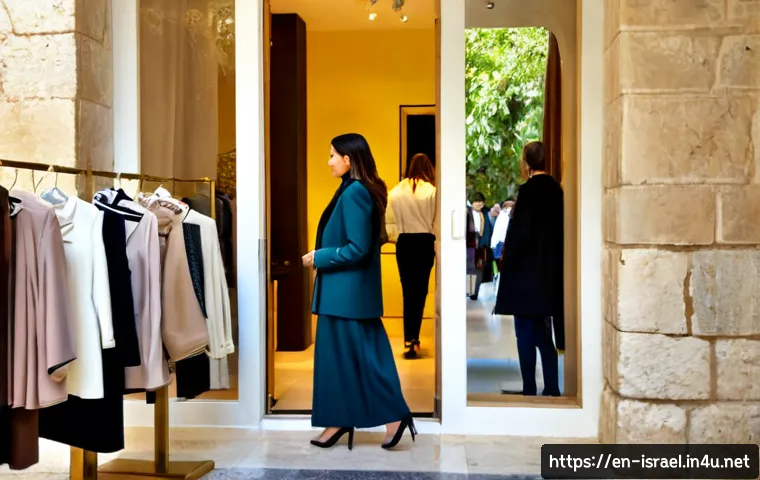
The best choice is not one “popular” Israeli brand, but the label and shopping channel that fit your style, ILS budget, sizing needs, and return risk.
Fashion preferences can vary widely by season, city, age group, and social platform, so a current trend list needs checking before you buy. Tel Aviv style may lean more fashion-forward, while practical clothing needs can differ in Jerusalem, Haifa, and resort areas.
Compare fabric, construction, final checkout cost, shipping, and exchange terms rather than relying on the product photo alone. For international orders, confirm that the retailer serves your destination before placing an order.
At a Glance
- Choose local boutiques when design identity, distinctive pieces, and a locally focused shopping experience matter most.
- Choose high-street retailers for practical basics, easier comparison shopping, and a more familiar everyday wardrobe approach.
- Choose online marketplaces carefully when selection matters, but check seller reliability, delivery cost, and return terms first.
| Shopping Category | Style Focus | ILS Price Tier | Best Purchase Route | Shipping and Return Check |
|---|---|---|---|---|
| Local boutique labels | Distinctive contemporary style, limited collections, special pieces | Usually mid to premium | Boutique store or official online shop | Confirm stock, size availability, exchanges, and delivery coverage |
| High-street retailers | Basics, casualwear, seasonal clothing, practical wardrobe items | Usually entry to mid | Shopping centers, local stores, or retailer websites | Compare sale conditions and whether online returns are accepted in store |
| Designer and occasionwear | Eveningwear, tailored pieces, statement garments | Usually premium | Designer boutiques or verified official channels | Check alteration policies, care requirements, and final return eligibility |
| Independent online labels | Streetwear, accessories, niche styles, small-run products | Varies by maker and material | Official brand website or verified marketplace seller | Review seller details, shipping origin, and refund process before payment |
What Defines Popular Fashion in Israel Today
Popular fashion in Israel is not a single look. It can include casual warm-weather dressing, work-ready separates, eveningwear, modest-fashion options, streetwear, and accessories. What is popular may change by season, neighborhood, city, and online platform, so it is better to compare categories than assume every local shopper follows the same trend.
Casual, Warm-Weather, Workwear, Eveningwear, and Modest-Fashion Demand
For everyday wear, shoppers may prioritize breathable fabrics, easy layering, and pieces that work across casual and social settings. Workwear shoppers may look for polished basics, comfortable tailoring, and items that can be repeated in different outfits. Occasionwear often calls for more attention to fit, fabric, lining, and care instructions. Modest-fashion shoppers may also place extra importance on coverage, sleeve length, layering options, and silhouette.
Before comparing prices, define the use case. A light casual shirt, a work dress, and an event outfit should not be judged by the same value standard. The more specific the purpose, the easier it is to decide whether a boutique item, a mass-market option, or an online purchase makes sense.
Why Tel Aviv Trends May Differ From Shopping Preferences Elsewhere
Tel Aviv is often associated with contemporary, creative, and fashion-conscious shopping, but that does not make it the only reference point for Israeli style. Preferences may differ in Jerusalem, Haifa, coastal areas, and resort locations because climate, daily routines, cultural expectations, and shopping access are not identical.
If you are visiting, avoid buying only for a trend image. Think about where you will wear the item after the trip. A fashion-forward boutique purchase can be memorable, while a practical basic may offer more repeat use. Both can be good value when they suit your wardrobe.
How to Verify Whether a Label Is Israeli-Designed or Only Locally Stocked
Do not assume that every brand sold in Israel is Israeli-owned, Israeli-designed, or locally manufactured. These are different claims. Check the brand’s official about page, product information, retailer description, and customer service details. Look for clear wording about design origin, company ownership, and manufacturing information.
If the origin matters to you, ask the seller directly before ordering. A reliable retailer should be able to clarify whether it is presenting a local designer label, an international chain, or a brand simply available in the Israeli market.
Compare Local Labels by Style, Price Tier, and Shopping Channel
The useful comparison is not “local versus international” alone. Compare the item’s style, expected use, price tier in ILS, and purchase route. This prevents a premium boutique garment from being unfairly compared with a basic high-street item.
Contemporary Casualwear and Everyday Basics
Everyday clothing is usually the easiest place to start. Look for items that match your routine: tops, trousers, lightweight layers, simple dresses, or comfortable shoes. Check the composition label and care instructions, especially if you want low-maintenance clothing for travel or regular wear.
For casualwear, fit consistency can matter more than a dramatic design. If you are shopping online, compare garment measurements with a similar item you already own instead of choosing a size based on the label name alone.
Designer Fashion, Occasionwear, and Premium Boutiques
Designer boutiques may appeal to shoppers seeking distinctive cuts, limited collections, or a stronger local style perspective. Higher-priced pieces can be worth considering when the design fills a real wardrobe gap, the construction appears sound, and you expect to wear the item repeatedly.
However, premium pricing does not remove the need to check return terms. Occasionwear can be particularly sensitive because fit, alterations, and fabric care may affect whether an item remains eligible for a return or exchange.
Streetwear, Accessories, and Independent Online Labels
Independent labels and accessory makers can be useful for finding gifts, small fashion souvenirs, or less widely available styles. These purchases often depend on visual details, so inspect product photos, material descriptions, dimensions, and seller information closely.
For social-media discovery, move from a post to an official shop or clearly identified seller page before paying. Avoid listings that do not explain delivery, returns, or the identity of the business handling the order.
Comparison Table: Style, Expected ILS Budget, Quality Checks, and Purchase Route
| Need | ILS Budget Approach | Quality Checks | Suggested Route |
|---|---|---|---|
| Everyday basics | Compare entry and mid-tier options by cost per wear | Fabric feel, opacity, seams, washing instructions, sizing | High-street retailers and official online stores |
| Local design piece | Allow for a mid or premium tier if the item has long-term use | Cut, finishing, fabric composition, repair or care needs | Independent boutiques and official label websites |
| Occasion outfit | Compare the complete outfit cost, not only one garment | Fit, lining, closures, alteration needs, return rules | Designer boutiques and verified retailers |
| Accessories or gifts | Set a clear ILS limit before browsing | Material, dimensions, packaging, seller reputation | Local boutiques, maker shops, and verified online sellers |
How to Judge Price and Value Before Buying
A listed price in ILS is only the starting point. The more useful figure is the final cost: product price, delivery charge, possible taxes, currency conversion costs, and any expense created by a difficult return.
Comparing Listed Prices in ILS With Shipping, Taxes, and Currency Conversion Costs
When comparing online fashion retailers, place the same item type side by side and review the final checkout screen. Shipping may change the value of a lower-priced item, while an international card or payment method may add currency conversion costs. For orders coming from outside Israel, customs charges may also apply depending on the order and destination.
Do not rely on a product page alone. Check whether delivery is included, calculated later, or available only after entering an address. This is especially important when comparing a local online store with an overseas marketplace.
Fabric, Construction, Sizing Consistency, and Care Requirements
Price-to-quality evaluation is easier when you use a simple checklist: material composition, seams, closures, lining where relevant, care instructions, and fit information. A garment can look attractive in photos but still be impractical if it needs care you cannot provide or does not work with your normal wardrobe.
For online fashion shopping, review the size chart carefully. A brand’s small, medium, or large label is not enough. Measurements and fit notes are more useful, particularly for tailored, fitted, or structured garments.
When Higher-Priced Local Design May Be Worth It
A higher-priced local piece may offer better value when it has a distinctive design, works across multiple occasions, and has details you genuinely prefer over lower-priced alternatives. It may also be a better choice if you can inspect it in person and confirm the fit before purchase.
Still, higher price should not be treated as proof of better quality. Check the material, construction, care needs, and return policy in the same way you would for any retailer.
When Mass-Market or Resale Options May Offer Better Value
Mass-market retailers may be more practical for trend-based items, travel basics, or clothing you need quickly. Resale options may also suit shoppers looking for value, but condition, authenticity, measurements, and final-sale terms need careful review.
Use resale or marketplace listings only when the seller provides enough detail to make a confident comparison. If the item has no clear measurements, no usable photos, or unclear return terms, the low listed price may not represent good value.
Shopping Online or In Store Without Costly Mistakes
The safest purchase process is simple: verify the seller, verify the fit, and verify the full delivery and return conditions before payment. These steps matter for both local residents and international buyers.

Checking Size Charts and International Size Conversions
Use the retailer’s own size chart whenever possible. International size conversions are not always consistent, and different cuts can fit differently within the same label. Measure a garment you already wear comfortably, then compare those measurements with the product information.
If the listing does not provide useful size guidance, contact the retailer before ordering. This is a sensible step for premium pieces, fitted occasionwear, and items that may be expensive to return.
Reading Delivery, Exchange, and Refund Terms Before Checkout
Read the delivery, exchange, and refund terms before entering payment details. Look for information on delivery destination, estimated handling process, return window, item condition requirements, return shipping responsibility, and whether discounted or special items have different rules.
Check sizing, delivery cost, and return terms before ordering. These three points can have more impact on satisfaction than a small difference in the listed ILS price.
Avoiding Counterfeit Listings and Unofficial Social-Media Sellers
Fashion listings on social platforms can be useful for discovery, but they should not replace basic verification. Prefer official brand websites, established retailer pages, or sellers with clear contact details and policies. Be cautious when brand origin, product condition, or refund terms are missing.
If a listing makes unclear claims about designer status or authenticity, do not assume it is accurate. Ask for clarification or choose a more transparent retailer.
Planning for Customs Charges When Ordering From Outside Israel
When ordering from outside Israel, consider customs-related charges as part of the possible final cost. Policies and charges can change, and they may depend on the order, seller, and destination. Review the seller’s shipping information and the relevant official guidance before completing an international order.
Best Choices by Shopping Situation
For Travelers Seeking a Local Fashion Souvenir
Choose something that feels local to your experience but is still easy to use at home. Accessories, a well-made everyday piece, or a boutique item with a clear design point of view can be easier choices than clothing that requires uncertain sizing. Ask about care instructions and packing considerations before purchasing.
For Residents Building an Everyday Wardrobe
Start with the items you will wear most often. Compare retailers based on fit, fabric comfort, repeat availability, and exchange convenience. A dependable basic that fits well may be more valuable than a one-time trend purchase.
For Shoppers Looking for Gifts, Accessories, or Occasion Outfits
For gifts, prioritize material information, sizing flexibility, and packaging where relevant. For accessories, confirm dimensions and wearability. For occasion outfits, make fit and return eligibility the first checks, since these purchases can be harder to correct after delivery.
For International Buyers Needing Reliable Delivery and Returns
International buyers should prefer retailers that clearly state destination coverage, delivery process, and return instructions. A wide product selection is less useful if the seller cannot deliver to your location or if return shipping would be impractical. Compare the full checkout cost in your own currency as well as in ILS.
Selection Criteria and Comparison Summary
Choose by style identity, budget range, and real use case. Compare the final cost rather than the product price alone. Before buying, check the brand’s origin claim, material composition, measurements, seller reliability, delivery coverage, customs considerations, and return policy. For the most current information, review the official product page and the retailer’s delivery and return conditions before checkout.
In Closing
Fashion shopping in Israel can range from practical basics to independent design and premium occasionwear. The strongest comparison is based on what you need to wear, not on a vague idea of what is currently popular. A clear size check, transparent seller information, and an accurate final-cost comparison can prevent most avoidable mistakes. Whether you shop in person or online, give priority to fit, quality, and return flexibility.
Useful Things to Know
1. “Sold in Israel” does not necessarily mean Israeli-designed or locally made.
2. Tel Aviv fashion inspiration may not match every city, climate need, or personal wardrobe.
3. The lowest listed ILS price may not be the lowest final cost after delivery and possible additional charges.
4. Official size charts and written return terms are more useful than product photos alone.
Important Notes
Fashion popularity, prices, inventory, store locations, international delivery coverage, and return policies can change. This guide does not identify currently trending labels or confirm the ownership, design origin, manufacturing location, or availability of any specific brand. Verify these details directly with the official brand or retailer before purchasing.
Frequently Asked Questions
Q1. Which Israeli fashion brands are best for contemporary everyday clothing?
A1. The best option depends on your preferred fit, fabric, budget in ILS, and daily needs. Compare local boutiques, high-street retailers, and official online shops by basics selection, size guidance, material details, and exchange terms rather than relying on a general popularity claim.
Q2. Are Israeli designer brands more expensive than international high-street retailers?
A2. Designer and boutique pieces may sit in a higher price tier than many high-street basics, but this varies by item and retailer. Compare the final cost, fabric, construction, expected wear, delivery fees, and return conditions before deciding which offers better value.
Q3. Can international shoppers order fashion from Israeli retailers safely?
A3. International shoppers should first confirm that the retailer delivers to their destination and provides clear payment, shipping, and return information. Use official brand sites or transparent retailers, and review possible delivery, currency conversion, and customs-related costs before ordering.
Q4. What should travelers check before buying clothing in Israel?
A4. Check fit, care instructions, return or exchange terms, and whether the item will work in your wardrobe after your trip. For online orders, also check delivery timing. For a local-design purchase, verify the brand’s origin claim if that is important to you.
Q5. How can I tell whether a fashion brand is genuinely Israeli-designed?
A5. Check the official brand information, retailer description, and customer service details for a clear statement about design origin. Do not assume that a brand is Israeli-designed simply because it is stocked by an Israeli retailer or promoted through local social-media accounts.