A practical preservation project for Israeli historical records usually combines physical care, structured cataloging, and digital access planning rather than relying on scanning alone.
Fragile originals may need conservation-led handling, while research-heavy collections often benefit from digitization and searchable metadata. The right model depends on document condition, collection size, rights restrictions, staff capacity, and the intended audience.
Institutions comparing archival digitization services, document-management software, or secure cloud storage should evaluate the full workflow, not just image quality.
A phased plan can reduce risk when funding, ownership details, or public-access permissions are still uncertain.
At a Glance
- Fragile or unique originals should be assessed for physical stabilization before routine scanning.
- Digitization improves discovery and access, but it does not remove the need to preserve original records.
- A hybrid approach is often suitable when institutions need both protected originals and responsible researcher access.
| Approach | Best Fit | Main Cost Drivers | Key Risk to Manage |
|---|---|---|---|
| In-house scanning | Stable records, manageable volumes, trained internal staff | Equipment, staff time, document-management software, quality control | Inconsistent capture, weak metadata, limited backup planning |
| Outsourced digitization | Large backlogs, specialized formats, defined project requirements | Preparation, transport, scanning scope, OCR, metadata, secure delivery | Handling damage, unclear specifications, incomplete rights controls |
| Conservation-led preservation | Fragile, rare, damaged, or high-value materials | Condition assessment, specialist treatment, protective housing, controlled handling | Delaying access needs or assuming digitization can replace treatment |
| Hybrid program | Collections needing preservation, access, and long-term continuity | Conservation, digitization services, archival storage, metadata, access platform | Expanding scope before priorities and governance are defined |
What a Historical Document Preservation Project Needs to Protect
A preservation project should protect more than paper. It should protect the original object, the information it contains, and the context that explains where it came from. For historical records connected to Israel, this may include documents in more than one language, handwritten material, correspondence, photographs, administrative files, maps, or community records. The collection’s exact ownership, legal status, and access conditions should be confirmed before work begins.
Three Priorities: Safeguarding Originals, Improving Discovery, and Enabling Responsible Access
First, prevent avoidable physical loss through safe handling, appropriate storage, and clear procedures. Second, make records discoverable through usable titles, dates, descriptions, and subject terms. Third, provide access in a way that respects privacy, donor restrictions, copyright, and culturally sensitive content. A digital portal is useful only when users can find relevant records and understand any limits on reuse.
Why Digitization Does Not Replace Physical Conservation
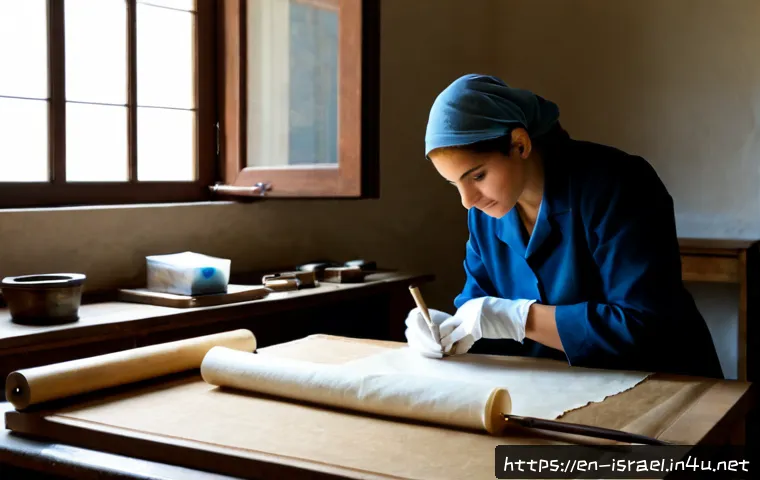
A scan creates a reference copy, not a substitute for the original. It may not capture every physical feature, annotation, texture, or evidential detail. If pages are brittle, bound tightly, torn, or otherwise unstable, scanning without an appropriate assessment can create further damage. Conservation and digitization should be sequenced according to condition rather than treated as competing choices.
The Role of Cataloging, Metadata, and Provenance Records
Metadata is the route into the collection. Basic descriptive fields can support finding and filtering, while provenance notes can preserve information about creators, custodians, arrangement, and prior ownership. Consistent metadata also makes an archival management system more useful over time. Avoid creating broad labels that hide uncertainty; when dates, names, or origins are unclear, record that uncertainty rather than guessing.
Choosing Between Conservation, Digitization, and a Hybrid Model
The best choice is usually based on risk and purpose. An institution focused on safeguarding vulnerable originals may begin with preservation measures. A university research team with frequent access requests may prioritize a digitization workflow. Many collections need both, delivered in stages.
Physical Preservation for Fragile, Rare, or High-Value Records
Physical preservation is appropriate where handling itself presents a risk or where the material has value beyond its text. This path can include condition review, safer enclosures, handling guidance, and specialist conservation advice. It is especially important not to promise public digitization before checking whether materials can be transported, opened, copied, or displayed safely.
Digitization for Research Access and Disaster-Recovery Copies
Digitization can reduce routine handling and give researchers a practical way to review documents remotely. A well-designed project defines capture requirements, file naming, image review, OCR expectations, metadata fields, and delivery formats before scanning starts. OCR can improve searchability, but handwritten, multilingual, faded, or complex records may require manual checking and should not be assumed to produce reliable full-text results.
Hybrid Programs for Institutions Managing Both Public Access and Original Materials
A hybrid model connects physical preservation with digital access. For example, an institution may stabilize priority items, digitize selected material for reference, retain preservation master files in secure storage, and publish only records cleared for access. This approach helps separate preservation copies, working copies, and public-access files, each of which may have different handling and permission requirements.
Comparison Factors: Scope, Cost Drivers, Turnaround, and Risks
Do not compare proposals on page counts alone. Scope may include preparation, item-level description, scanning, image correction, OCR, metadata entry, file validation, storage transfer, and access-platform setup. Turnaround also depends on document condition, review requirements, and restrictions. Ask providers to identify what is included, what is excluded, and which assumptions could change the final project scope.
Building a Sustainable Preservation Workflow
A sustainable workflow is repeatable, documented, and realistic for the people who will manage it after the initial project ends. The goal is not simply to create files, but to maintain records that remain understandable and usable.
Collection Assessment and Prioritization Criteria
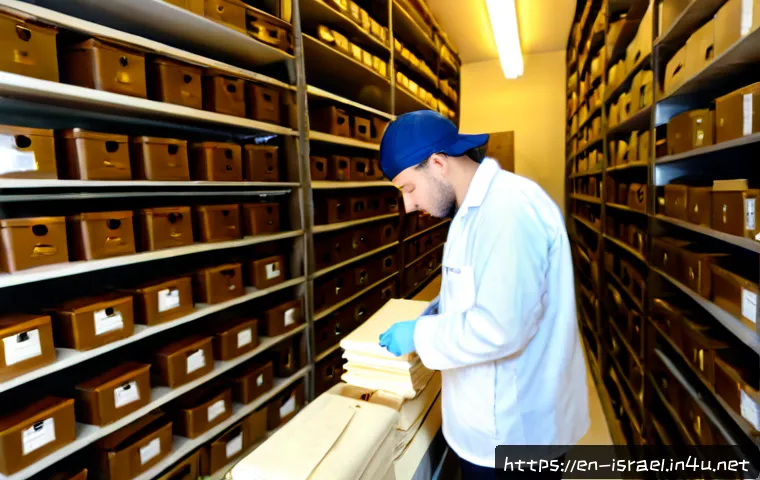
Start with a practical inventory. Note physical condition, uniqueness, anticipated research demand, rights concerns, format complexity, and existing descriptions. A small pilot group can reveal whether the proposed workflow is workable. Prioritizing by risk and value is usually more useful than attempting to digitize every item immediately.
Scanning Specifications, File Formats, OCR, and Quality Control
Scanning specifications should match the material and intended use. Define how files will be named, where master files will be stored, what derivatives will be used for access, and who approves image quality. Quality control should check completeness, orientation, legibility, cropping, color consistency where relevant, and correspondence between files and metadata. Compare digitization providers by their documented quality-assurance process, not only by equipment claims.
Metadata Design for Multilingual, Historical, and Handwritten Materials
Historical records may contain variant spellings, multiple scripts, incomplete dates, or names that require contextual notes. Design metadata fields that can accommodate original-language titles, transliterations where appropriate, translated descriptions, and uncertainty. A collection-management platform should support the level of description your staff can maintain consistently. Complex metadata that nobody can sustain may be less useful than a simpler, well-governed structure.
Backup, Storage Redundancy, and Access-Permission Planning
Digital preservation depends on more than one storage location. Institutions should document where files are held, who can alter them, how copies are checked, and how access is restored if a system fails. Secure cloud storage may be suitable for some collections, but permission settings, retention terms, data location considerations, and export options should be reviewed carefully. Public access, staff access, and restricted access should be planned as separate levels.

Practical Risks in Archival Projects Involving Israeli Historical Records
Projects involving historical records connected to Israel can involve complex questions of ownership, identity, language, migration, conflict, and family history. These questions do not prevent preservation work, but they require careful documentation and restraint.
Rights, Privacy, Donor Restrictions, and Culturally Sensitive Content
Digitization does not automatically create a right to publish, reproduce, or commercially reuse a document. Review known rights information, donor agreements, personal data, and restrictions before putting records online. If status is unclear, an institution may need to limit access while it seeks clarification. Keep a record of the decision process so future staff understand why access conditions were applied.
Avoiding Damage During Handling, Transport, and Scanning
Handling plans matter. Fragile records may need limited opening angles, supported capture methods, or specialist review before transport. If outsourcing, ask how materials are packed, tracked, handled, and returned. A vendor’s secure workflow should include clear custody procedures rather than vague assurances.
Preventing Unusable Digital Files Through Validation and Migration Planning
Files can become difficult to use when naming is inconsistent, metadata is detached, storage is poorly documented, or formats are not reviewed over time. Build validation into the workflow: confirm files open, match the right record, and have been delivered to the designated storage environment. Plan for future migration or system changes before committing to archival software or a cloud storage provider.
When to Use Internal Staff, Specialist Vendors, or Preservation Partners
There is no single correct staffing model. The choice depends on collection condition, expected volume, equipment needs, staff skills, and the institution’s ability to sustain the workflow.
Suitable Tasks for an Internal Archive or Research Team
Internal teams are often well placed to inventory collections, identify priorities, supply historical context, review metadata, and make access decisions. They may also scan stable, standard-format records when procedures, equipment, and quality checks are already in place. Internal knowledge is especially valuable when filenames and descriptions need to reflect nuanced local or family context.
When Conservation Expertise or High-Volume Digitization Equipment Is Needed
Specialist support may be justified for damaged items, bound volumes, oversize formats, complex imaging needs, or large backlogs that exceed internal capacity. A conservation professional can help determine safe handling options. A digitization service provider may offer production workflows, specialized capture equipment, or structured file delivery. Outsourcing should still include internal review points and clear acceptance criteria.
Questions to Ask When Requesting a Digitization or Storage Proposal
Ask how the provider handles fragile documents, defines image quality, records metadata, performs OCR, validates files, and transfers deliverables. Ask whether files can be exported in a documented structure if the institution changes systems. For secure storage plans, clarify permissions, backup methods, retention controls, audit information, and responsibilities if access needs change.
Selection Criteria and Comparison Summary
Before selecting archival software, digitization providers, or secure storage plans, compare these decision points:
- Document condition: Can materials be safely handled and scanned without prior treatment?
- Collection scale: Is a small internal pilot realistic, or does the backlog require an external workflow?
- Access objective: Is the goal staff reference, researcher access, controlled publication, or disaster recovery?
- Metadata capacity: Can the proposed fields be created and maintained by available staff?
- Rights and restrictions: Which records can be shared, and which require restricted access?
- Long-term control: Can the institution retrieve files, preserve structure, and change providers if needed?
A phased roadmap can begin with an inventory, a condition and rights review, and a small pilot set. Next, compare archival software features, digitization-service specifications, and storage controls against the pilot’s actual needs. Review the official service details and full conditions before selecting a provider or storage plan.
Closing Thoughts
Preserving documentary heritage is a long-term responsibility, not just a scanning project. The strongest programs balance care for originals with practical discovery and access. For historical records connected to Israel, rights, provenance, privacy, and multilingual description may require as much attention as equipment and file storage. A clear pilot workflow can help institutions make careful decisions before expanding the work.
Useful Information to Keep in Mind
Keep an audit trail: Record key decisions about condition, rights, metadata, and access restrictions. Separate file roles: Preservation masters, access copies, and working files may need different controls. Test retrieval: Backups are meaningful only if authorized staff can locate and use the files when needed.
Important Notes
This is a general planning guide, not a statement about any specific Israeli archive, collection, budget, ownership arrangement, or public-access policy. Legal availability for publication, reproduction, and commercial reuse must be checked for each collection. Technical requirements, service terms, and provider pricing should be verified directly with the relevant vendor or preservation partner.
Frequently Asked Questions
Q1. What is the most practical first step for preserving a historical document collection in Israel?
A1. Start with a basic inventory and assessment of condition, ownership information, rights concerns, and access goals. This helps identify which items need urgent physical care, which can be digitized safely, and which require additional review before being shared.
Q2. Is it better to digitize archival records in-house or hire a specialist provider?
A2. In-house work can be practical for stable materials and manageable volumes when staff have suitable procedures and quality controls. A specialist provider may be more appropriate for fragile items, complex formats, high-volume backlogs, or workflows requiring dedicated capture and validation processes. Compare handling procedures, metadata capability, quality assurance, and file-delivery terms.
Q3. What should an institution compare when budgeting for document digitization and long-term storage?
A3. Compare the full scope: preparation, conservation needs, scanning, metadata, OCR, quality review, rights management, backup copies, access controls, and future file export. Also compare whether archival software and secure storage plans support the collection’s intended access level and long-term management responsibilities.